


Local Spine Surgeons in Austin
Written by: Hastings Law Firm | Last Updated: February 13, 2026
Spinal problems affect people at every stage of life. Chronic pain, herniated discs, spinal stenosis, and degenerative conditions bring many Austin residents to spine surgeons for relief. These procedures range from minimally invasive interventions to complex multi-level fusions. Recovery depends on precision, experience, and careful post-operative care. Negligence happens in every healthcare setting, even well-regarded ones. When something goes wrong during or after spine surgery, the consequences can alter the course of a person’s life.
Hastings Law Firm, founded by board-certified trial attorney Tommy Hastings, has represented patients harmed by medical negligence, unsafe medical products, and dangerous pharmaceuticals across multiple states for over two decades. The firm handles cases involving surgical errors in Austin and the surrounding area. If you or a loved one were harmed by a spine surgeon in Austin, Hastings Law Firm is here to help.
Central Texas Spine Institute PLLC
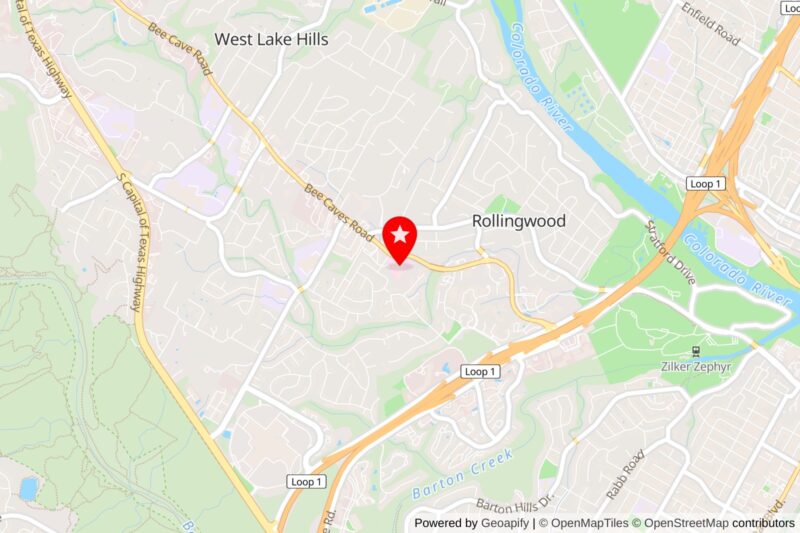
Central Texas Spine Institute is a prominent medical facility specializing in spine health. It offers a range of services aimed at diagnosing and treating spinal conditions. The institute employs advanced surgical techniques and treatment options tailored to individual patient needs.
The team comprises experienced spine surgeons who utilize the latest technology in their procedures. They focus on providing comprehensive care for various spine-related issues. Patient education and support are integral parts of their approach, ensuring informed decision-making.
The institute is located in Austin, making it accessible for many patients in the region. They prioritize patient safety and comfort throughout the treatment process. Comprehensive assessments help in creating personalized care plans for optimal outcomes.
Online Ratings: 4.5 (297 reviews)
Location: 3003 Bee Caves Rd STE 202, Austin, TX 78746
Contact: (512) 795-2225
Capital Brain and Spine: Desh Sahni, MD
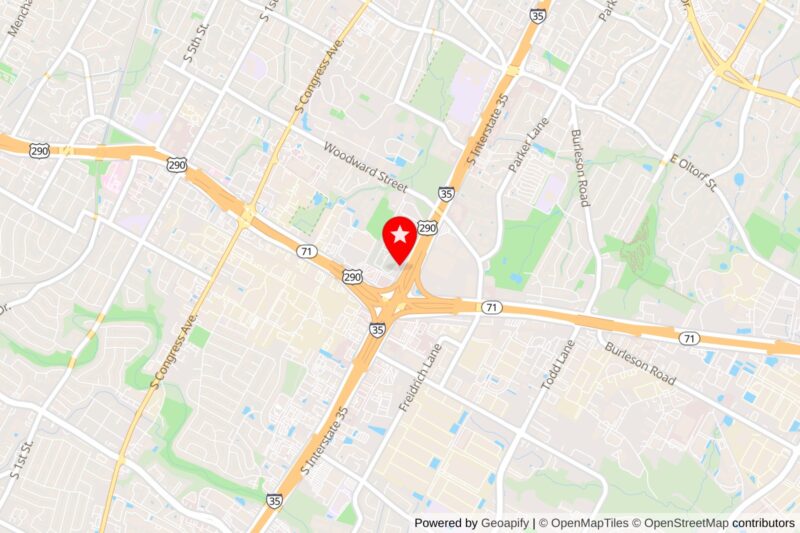
Capital Brain and Spine specializes in providing comprehensive care related to brain and spine disorders. The practice is led by Dr. Desh Sahni, who focuses on surgical and non-surgical treatment options for various spinal conditions.
Dr. Sahni’s expertise encompasses complex spinal surgeries as well as minimally invasive techniques. This dual approach allows the practice to address a wide range of patient needs effectively.
The facility is equipped with advanced technology to assist in diagnosis and treatment. It emphasizes a patient-centered approach, ensuring that individuals receive tailored care throughout their treatment journey.
Collaboration with other medical professionals enhances the holistic care provided. This network supports comprehensive treatment plans that may incorporate various specialties in addition to spine surgery.
Rating: 4.9 (231 reviews)
Location: 3910 S I-35 Frontage Rd 1st Floor, Austin, TX 78704
Contact: (512) 387-8779
Austin Spine – Central
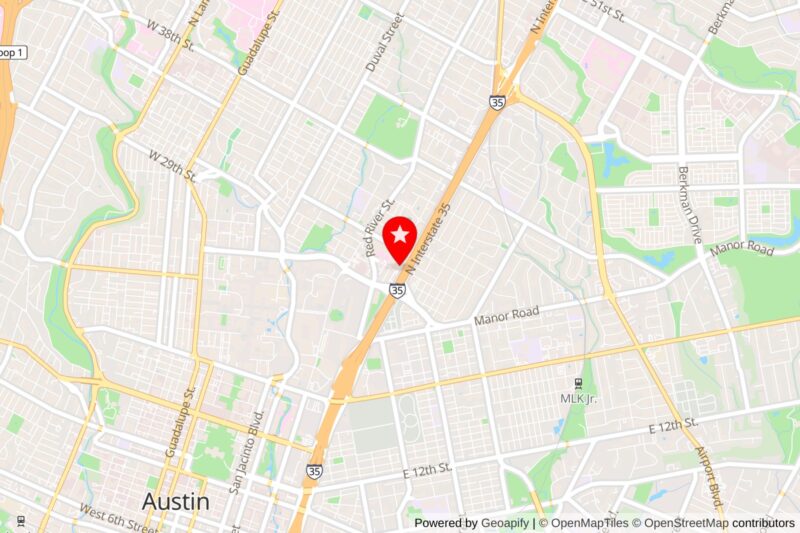
Austin Spine – Central focuses on providing specialized care for various spinal conditions. The team is comprised of experienced spine surgeons dedicated to offering effective and minimally invasive treatment options for neck, back, and limb issues.
With over 30 years of combined experience, the lead surgeons have performed thousands of surgeries, ensuring a depth of expertise in complex spinal procedures. The practice is affiliated with a highly-rated medical center recognized for excellence in spine surgery.
The location is conveniently situated in Central Austin, easily accessible from Interstate 35. Patients can expect ample parking and a straightforward route to the office, which is located in a multi-story medical building.
Their commitment to patient care emphasizes high-quality treatment tailored to individual needs, with a focus on compassionate service and effective outcomes.
Online Ratings: 4.7 (113 reviews)
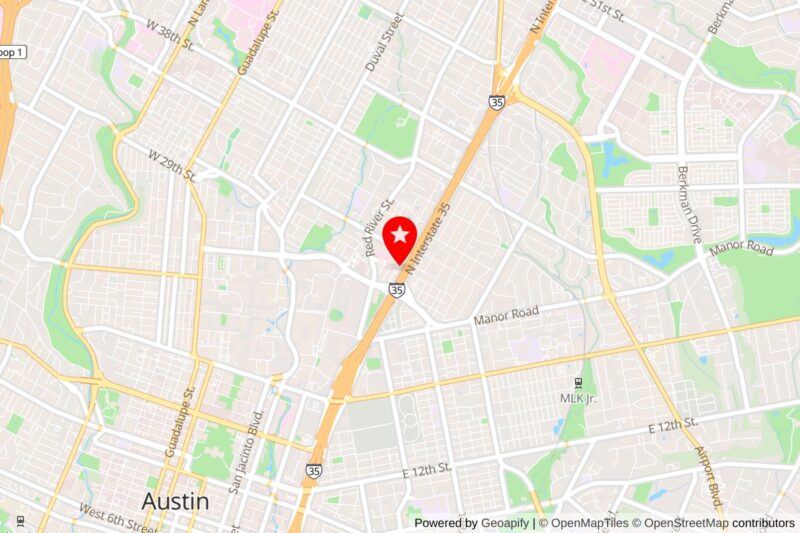
Location: 3000 N Interstate Hwy 35 Ste 708, Austin, TX 78705
Contact: (512) 347-7463
Robert Josey, M.D.
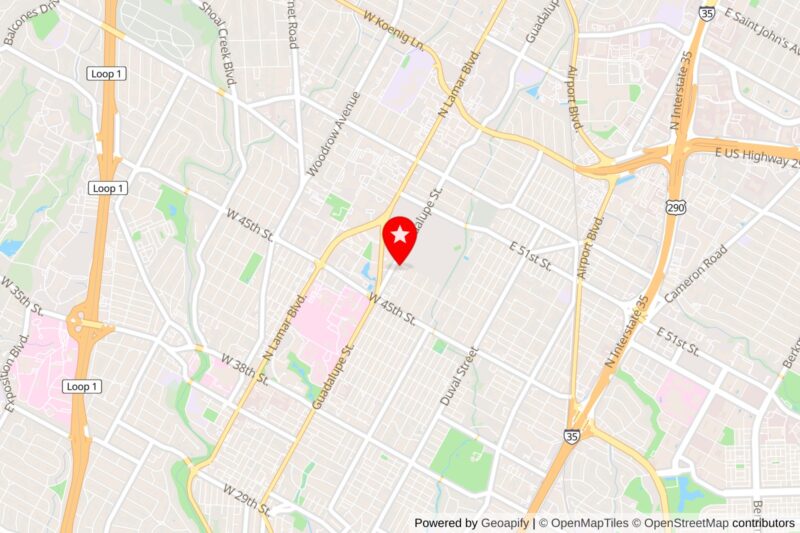
Robert Josey, M.D. is a prominent spine specialist in Austin, known for his extensive expertise in minimally invasive spinal surgery. With over 20 years of specialized experience, he emphasizes both medical and surgical treatment of spine conditions.
As a board-certified orthopedic surgeon, Dr. Josey offers comprehensive care that spans from diagnosis to recovery. He utilizes advanced techniques and technology to provide tailored treatment plans for patients across various age groups.
Dr. Josey is also a clinical assistant professor at The University of Texas Medical Branch and has lectured internationally. His practice includes treating spine trauma, degenerative conditions, and performing endoscopic procedures.
His goal focuses on restoring function and enhancing the quality of life through the least invasive methods available.
Online Ratings: 4.7 (74 reviews)
Location: 4611 Guadalupe St #200, Austin, TX 78751
Contact: (512) 476-2830
Rick Wupperman, MD
Dr. Rick Wupperman is a board-certified orthopedic surgeon based in Austin, specializing in spinal disorders. He has a background in physical therapy, which shapes his conservative approach to treatment. His expertise includes minimally invasive techniques for scoliosis surgery and other spinal deformities.
He received his M.D. from the University of Texas Southwestern Medical School and completed an orthopedic residency at Vanderbilt University Medical Center. Following that, he undertook a spine fellowship at Cedars-Sinai in Los Angeles.
Dr. Wupperman emphasizes the importance of non-surgical treatment options such as activity modification, therapy, and medications. He only recommends surgery when conservative measures are ineffective, reflecting a cautious approach to patient care.
As a prominent figure in minimally invasive surgery, he is involved with the Society of Lateral Access Surgery and regularly contributes to the field through research and education.
Online Ratings: 4.8 (116 reviews)
Location: 3000 N Interstate Hwy 35 Ste 708, Austin, TX 78705
Contact: (512) 347-7463
Spine Health and Common Conditions
Understanding spine health is essential for maintaining mobility and overall well-being. The spine is a complex structure that supports the body and protects the spinal cord. Common spinal conditions can lead to significant discomfort and impaired function if not addressed properly.
Understanding Spinal Anatomy
The spine consists of 33 vertebrae, categorized into five regions: cervical, thoracic, lumbar, sacral, and coccygeal. Each region has specific functions and characteristics. The cervical spine, located in the neck, supports head movement. The thoracic spine connects to the ribs and protects the organs in the chest. The lumbar region bears much of the body’s weight.
Intervertebral discs act as shock absorbers between each vertebra. They consist of a tough outer ring and a soft center, allowing for flexibility. The spinal cord runs through the vertebral column, transmitting signals between the brain and the rest of the body. Understanding this anatomy is crucial for identifying issues that may arise.
Common Spine Disorders
Several disorders can affect spine health:
- Herniated Discs: Occurs when the inner gel of a disc leaks out, pressing on nerves.
- Scoliosis: A curvature of the spine, usually in the shape of an “S.”
- Spinal Stenosis: A narrowing of the spinal canal, which can cause pressure on the spinal cord and nerves.
- Osteoarthritis: Degeneration of the cartilage in the joints, leading to pain and stiffness.
- Sciatica: Pain that radiates along the sciatic nerve, often caused by herniated discs or bone spurs.
These conditions can result from age, injury, or chronic degenerative processes. Early identification and appropriate management are key to alleviating symptoms and improving quality of life.
Symptoms of Spine Problems
Identifying symptoms early can lead to better outcomes. Common indicators of spine issues include:
- Pain: Localized or radiating pain can indicate a variety of problems.
- Numbness or Tingling: These sensations may suggest nerve compression or damage.
- Weakness: Difficulty lifting or gripping can signal spinal nerve involvement.
- Stiffness: Reduced flexibility in the back can hinder movement.
Additional symptoms like changes in posture or balance may also present. Listening to the body and seeking medical advice can promote timely intervention.
Patients in Austin rely on healthcare providers to deliver safe, effective treatment, but when errors occur they may fall under medical malpractice.
Advanced Spine Treatments
Advanced spine treatments encompass a variety of techniques that aim to address complex spinal conditions effectively. These approaches prioritize minimizing recovery time and enhancing mobility while providing effective relief from pain.
Minimally Invasive Spine Surgery
Minimally invasive spine surgery (MISS) involves smaller incisions, which can lead to reduced tissue damage and quicker recovery times. Techniques include endoscopic surgery, where instruments are inserted through small openings, allowing surgeons to access the spine while preserving surrounding muscles.
This method is often employed for conditions such as herniated discs or spinal stenosis. The advantages include less postoperative pain, reduced hospital stays, and quicker return to daily activities. Potential candidates for MISS should discuss their specific conditions and suitability with their spine specialists.
Robotic Spine Surgery
Robotic spine surgery utilizes advanced robotics and imaging technology to enhance precision during surgical procedures. Surgeons are able to perform complex maneuvers more accurately, which can lead to improved outcomes. This approach often includes the use of a robotic system that assists in navigating instruments and placing implants.
Robotic surgery is especially beneficial in achieving alignment during spinal fusion surgeries. It can reduce the overall trauma to the patient, leading to shorter recovery times and minimized complications. As robotic technology continues to evolve, its application in spine care is expected to expand.
Non-Surgical Spine Treatment Options
Non-surgical treatment options for spine conditions include physical therapy, chiropractic care, and pain management techniques. Patients may benefit from tailored exercise programs aimed at strengthening core muscles and improving flexibility.
Additionally, alternative methods such as acupuncture and epidural steroid injections can provide relief. These treatments aim to alleviate pain and restore function without the need for invasive procedures. It is crucial for patients to consult their healthcare providers to determine the most appropriate non-surgical options based on individual conditions.
Hastings Law Firm, Medical Malpractice Lawyers
4807 Spicewood Springs Rd Suite 1210 Building 1
Austin, TX 78759
512-813-9218
Related Articles
-
Local Medical Schools in Austin, Texas
-
Medical Staffing Agencies in Austin, Texas
-
Recognized Epileptologists in Austin
-
Nearby Interventional Radiologists in Austin
-
Prominent Cardiology Centers in Austin
-
Popular Endodontists in Austin
-
Popular Respiratory Therapists in Austin and Their Contributions to Patient Care
-
Local Naturopathic Doctors in Austin
-
Recognized Neuroradiologists in Austin
-
Nearby Sleep Specialists in Austin
