


Recognized Epileptologists in Austin
Written by: Hastings Law Firm | Last Updated: February 13, 2026
Epilepsy affects hundreds of thousands of people across Texas, and many of them seek care from recognized epileptologists in Austin. These specialists focus on diagnosing and managing seizure disorders, from prescribing medication to recommending surgical interventions when other treatments fall short. For patients who experience frequent or unpredictable seizures, finding the right epileptologist can make a significant difference in their quality of life. Austin’s medical community includes neurologists with subspecialty training in epilepsy, and many patients travel from surrounding areas to access their expertise.
Negligence happens in every healthcare setting, even well-regarded ones. When something goes wrong during treatment for a seizure disorder or other neurological condition, the consequences can be severe. Hastings Law Firm, founded by board-certified trial attorney Tommy Hastings, represents patients harmed by medical negligence, unsafe medical products, and dangerous pharmaceuticals across multiple states for over two decades. If you or a loved one were harmed by an epileptologist in Austin, Hastings Law Firm is here to help.
Parkinson’s, Restless Legs & Movement Disorder Specialists, PLLC: Subhashie Wijemanne, MD

Subhashie Wijemanne, MD, provides specialized care for patients with movement disorders, including Parkinson’s disease and restless leg syndrome. The clinic focuses on accurate diagnosis and treatment planning tailored to individual needs.
The practice employs advanced techniques and therapies to manage symptoms effectively. They emphasize a patient-centered approach, ensuring that each patient receives comprehensive evaluation and support.
Dr. Wijemanne is known for her expertise in managing complex neurological conditions. She strives to enhance the quality of life for her patients through evidence-based treatment strategies.
Online Ratings: 4.9 (371 reviews)
Location: 6618 Sitio Del Rio Blvd D-102, Austin, TX 78730
Contact: (512) 241-1567
Austin Epilepsy Care Center
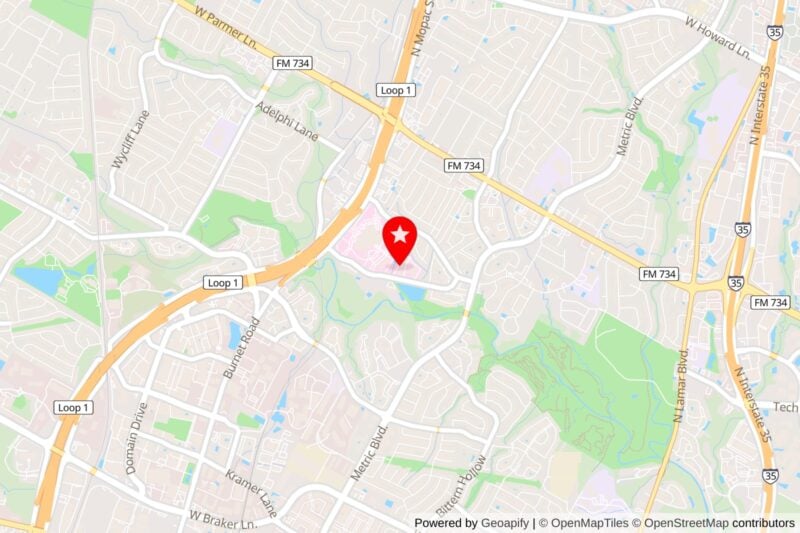
Austin Epilepsy Care Center specializes in providing comprehensive care for individuals with epilepsy. The center offers a variety of treatment options designed to address different patient needs. These include medical treatments, epilepsy surgery, and methods such as Vagus Nerve Stimulation (VNS) and Responsive Neurostimulation (RNS).
The staff at the center is well-trained and focuses on compassionate care. They work to ensure that each patient feels understood and supported throughout their treatment journey. The commitment to maintaining high safety standards is a hallmark of their approach to delivering healthcare.
In addition to traditional treatment options, the center also participates in antiepileptic clinical trials. This involvement allows them to offer patients access to the latest advancements in epilepsy treatments. Continuous improvement and professionalism are core values guiding their practice.
The Austin Epilepsy Care Center aims to meet the diverse needs of the epilepsy community in Austin, fostering a patient-centered environment.
Online Ratings: 3.5 (27 reviews)
Location: 2200 Park Bend Dr # 2-203, Austin, TX 78758
Contact: (512) 339-8831
Aboumatar Sami Dr
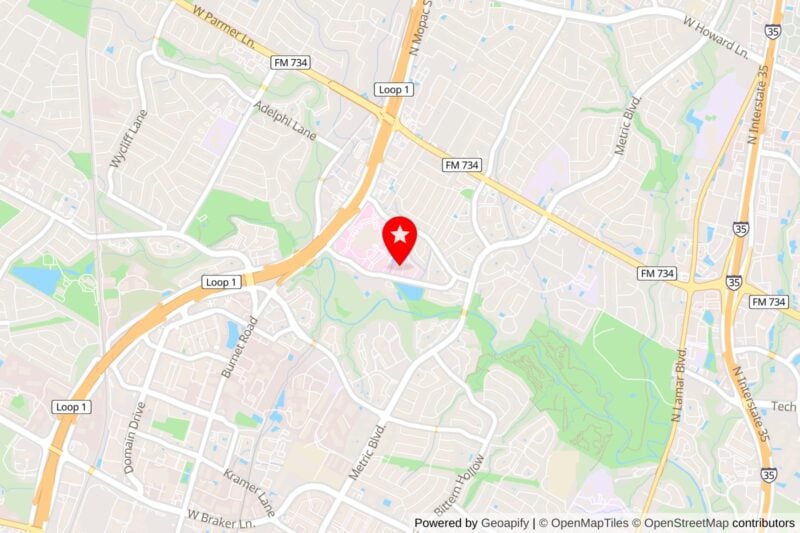
Aboumatar Sami, MD, is a recognized epileptologist at the Austin Epilepsy Care Center. He specializes in a wide range of epilepsy treatment options, ensuring that patients receive comprehensive care tailored to their specific conditions. His expertise includes medical management as well as surgical interventions.
The center emphasizes a patient-centered approach, with a dedicated team committed to providing compassionate care. This team includes professionals who are trained to understand and address each patient’s unique needs. Safety and quality are core principles guiding their treatment strategies.
In addition to standard therapies, the center offers innovative options such as Vagus Nerve Stimulation (VNS) and Responsive Neurostimulation (RNS). These advanced treatments provide further avenues for patients seeking effective management of their epilepsy.
The Austin Epilepsy Care Center is continuously evolving, aiming for excellence in the field of epilepsy care. Their dedication to improvement reflects a commitment to the well-being of their patients.
Online Ratings: 4 (31 reviews)
Location: 2200 Park Bend Dr 203, Building 2, Austin, TX 78758
Contact: (512) 339-8831
Dr. Erica Rivas de Srinivasa – Multiple Sclerosis and Neurology Institute of Austin
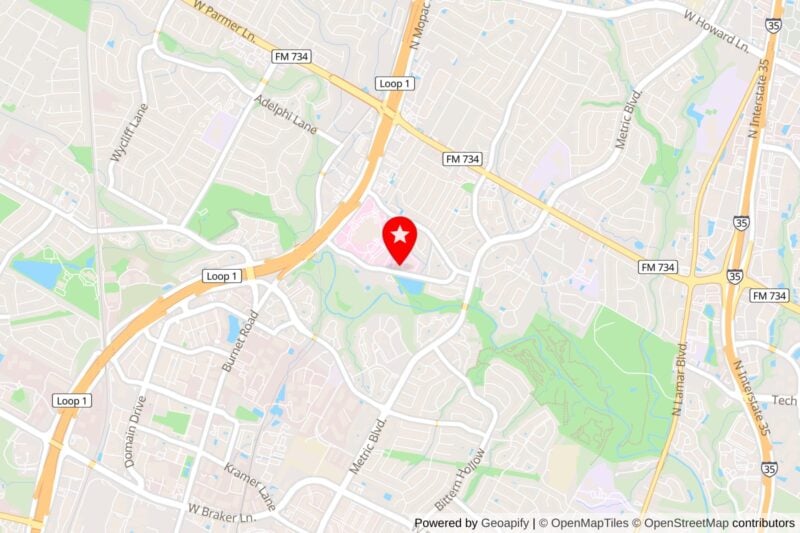
Dr. Erica Rivas de Srinivasa leads the Multiple Sclerosis and Neurology Institute of Austin, specializing in neuroimmunological disorders and multiple sclerosis. With advanced training in neurology, she focuses on providing comprehensive care tailored to each patient’s needs.
The institute emphasizes a collaborative approach, fostering strong relationships between patients and medical providers. This model allows for personalized treatment plans that align with individual goals and lifestyles.
Dr. Rivas is recognized for her expertise in diagnosing and managing conditions that affect the nervous and immune systems. The institute employs various advanced techniques to treat a range of neurological disorders, ensuring a detailed assessment and targeted therapies.
Her extensive education includes a fellowship in Multiple Sclerosis and Neuroimmunology, and she is board-certified in Neurology. This specialization supports her commitment to high-quality care for patients dealing with complex neurological issues.
Online Ratings: 4.2 (39 reviews)
Location: Post Oak Centre North, 2200 Park Bend Dr Building 1, Suite 200, Austin, TX 78758
Contact: (737) 238-5506
Austin Neuromuscular Center
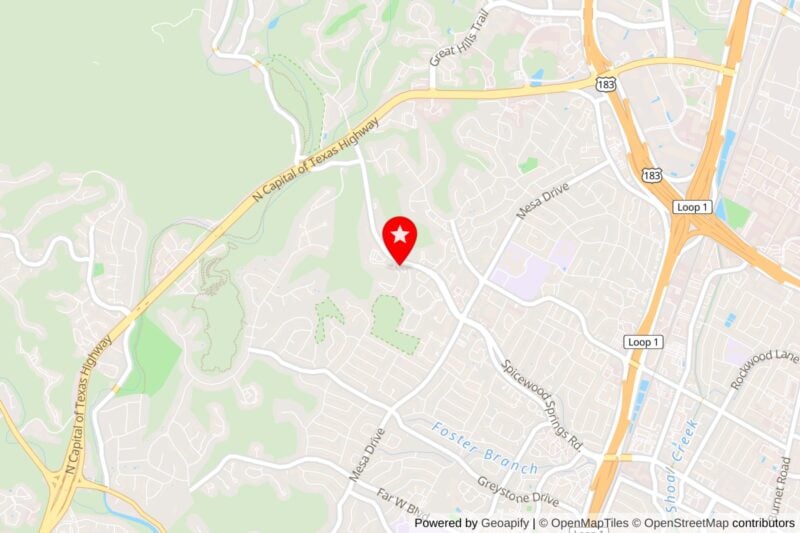
Austin Neuromuscular Center specializes in the diagnosis and treatment of neuromuscular diseases. Established in 2015, it offers a comprehensive and multi-disciplinary approach. The facility is equipped with advanced diagnostic tools necessary for addressing a range of neuromuscular disorders.
The center’s team includes experts in neuromuscular and electrodiagnostic medicine. They focus on providing tailored treatment plans to manage various conditions affecting the muscles and nerves. These conditions can significantly impact the quality of life for those affected.
An infusion center is available on-site, allowing professionals to monitor treatment outcomes closely. Additionally, the pathology lab at the center is both CAP and CLIA certified, providing advanced diagnostic services.
The center is also affiliated with the National Neuromuscular Research Institute, which emphasizes research and clinical advancements in neuromuscular diseases.
Online Ratings: 4.6 (274 reviews)
Location: 4705 Spicewood Springs Rd, Austin, TX 78759
Contact: (512) 920-0140
Ascension Medical Group Seton Neurology
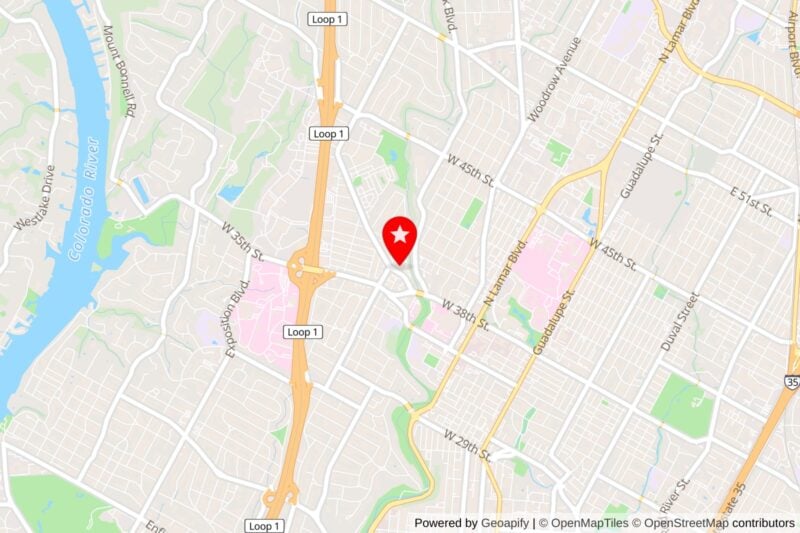
Ascension Medical Group Seton Neurology provides specialized care for various neurological conditions, including epilepsy. The clinic is staffed with a multidisciplinary team that includes neurologists and epileptiologists, offering comprehensive services to address the needs of patients.
The clinic is recognized as a Primary Stroke Center, ensuring immediate and effective care for stroke-related emergencies. They focus on personalized stroke rehabilitation, which can be particularly beneficial for those recovering from neurological events.
The team also emphasizes education around the risk of strokes and offers resources to help prevent further incidents. Many of the physicians hold faculty positions at prominent medical schools, enhancing their expertise and engagement with the latest research.
Emphasizing patient care and support, Ascension Medical Group aims to connect families to a broader network of specialty services available in their area.
Online Ratings: 4.3 (153 reviews)
Location: 1600 W 38th St Bldg #200, Austin, TX 78731
Contact: (512) 324-3540
Understanding Epileptology
Epileptology is a specialized branch of medicine focused on the diagnosis and treatment of epilepsy and related seizure disorders. Understanding the role of an epileptologist and how they differ from general neurologists is essential for patients seeking specialized care.
Role of an Epileptologist
An epileptologist is a neurologist with additional training in epilepsy management. Their primary responsibilities include diagnosing different types of seizures, determining their underlying causes, and formulating effective treatment plans.
They utilize various diagnostic tools such as EEGs, neuroimaging, and clinical assessments to evaluate patients. Treatment often involves prescribing antiepileptic medications, recommending lifestyle changes, or considering surgical options for patients who do not respond to medications.
Epileptologists also play a vital role in educating patients and their families about epilepsy and its management. This includes discussing seizure triggers, safety measures, and the importance of adherence to treatment regimens.
Difference Between Epileptologists and Neurologists
While all epileptologists are neurologists, not all neurologists specialize in epilepsy. Neurologists address a broad range of neurological disorders, including migraines, Parkinson’s disease, and multiple sclerosis.
In contrast, epileptologists focus specifically on seizure disorders. Their expertise in managing epilepsy often leads to more comprehensive care strategies, particularly for patients with refractory epilepsy or complex seizure presentations.
Neurologists may manage patients’ overall neurological health, but epileptologists have a deeper understanding of the nuances of seizure management. This specialization enables them to tailor treatments based on the unique characteristics of each patient’s condition.
Epilepsy Treatments and Innovations
The field of epilepsy care is advancing rapidly, focusing on both diagnosis and treatment. New technologies and methodologies aim to enhance patient access to effective therapies and improve health outcomes.
Advanced Diagnostic Techniques
Diagnostic techniques for epilepsy have evolved significantly, incorporating advanced imaging and monitoring technologies. For instance, high-resolution MRI allows for better visualization of brain structures, helping to identify lesions associated with epilepsy.
Electroencephalogram (EEG) monitoring, especially with the advent of video EEG, captures brain activity during seizures, providing critical data for accurate diagnosis. Ambulatory EEG systems enable extended remote monitoring, making it easier for patients to be assessed in their usual environments.
These techniques ensure that physicians can make well-informed decisions regarding individual treatment plans. The integration of machine learning algorithms to analyze EEG patterns is an emerging trend, potentially leading to more precise diagnostics in the future.
Current Treatment Options
Treatment options for epilepsy continue to diversify, encompassing pharmacological and non-pharmacological approaches. Antiepileptic drugs (AEDs) remain the cornerstone of medical treatment, with options tailored to the patient’s specific seizure type. Medications such as lamotrigine and levetiracetam are widely used.
For patients with medication-refractory epilepsy, surgical interventions may be considered. Resective surgery targets the brain area responsible for seizure activity, often leading to significant improvements in seizure control.
Additionally, neuromodulation therapies like vagus nerve stimulation (VNS) and responsive neurostimulation (RNS) offer alternatives for those who do not respond to traditional treatments. Ongoing innovations in therapy development, including investigational drugs and gene therapies, promise to further enhance treatment efficacy and options for patients.
Patient-Centric Care in Austin
Patient-centric care in Austin emphasizes collaboration and support systems for individuals with epilepsy. This approach ensures that patients are at the forefront of their treatment, receiving tailored services that accommodate their individual needs.
Understanding your rights after suffering from medical malpractice in Austin is an important first step toward recovery.
Collaborative Care Teams
In Austin, collaborative care teams play a crucial role in managing epilepsy. These teams consist of neurologists, epileptologists, nurses, dietitians, and mental health professionals who work together to create comprehensive care plans.
Team members regularly communicate to monitor patient progress and adjust treatment modalities as needed. This coordinated effort often includes scheduling multidisciplinary appointments to discuss clinical updates, treatment options, and educational needs.
By integrating different specialties, healthcare providers can address various aspects of patient health, from medical treatment to psychological well-being. For instance, dietitians may recommend specialized diets that could aid in seizure management, while mental health professionals offer support for associated anxiety or depression.
Patient Support and Resources
Austin offers numerous support resources for patients and their families. Organizations such as the Austin Epilepsy Care Center provide educational workshops, support groups, and access to clinical trials.
Patients can benefit from counseling services that facilitate emotional support, helping them navigate the challenges of living with epilepsy. Additionally, many care centers provide access to educational materials, equipping patients with information about their condition and treatment options.
Online resources are also available, including forums for patient discussion and peer support. Engaging with these groups can foster a sense of community, allowing individuals to share experiences and coping strategies. With robust support systems in place, patients can feel empowered in their journey toward better health.
Hastings Law Firm, Medical Malpractice Lawyers
4807 Spicewood Springs Rd Suite 1210 Building 1
Austin, TX 78759
512-813-9218
Related Articles
-
Nearby Physical Therapy Centers in Austin for Recovery and Rehabilitation
-
Popular Toxicology Centers in Austin
-
Local Urgent Care Centers in Austin, Texas
-
Recognized Sports Medicine Clinics in Austin
-
Local Physiatrists in Austin
-
Prominent Medical Waste Disposal Services in Austin
-
Popular OB/GYN Centers in Austin Offering Comprehensive Women’s Health Services
-
Local Physical Therapy Schools in Austin
-
Local Pathologists in Austin
-
Prominent Optometrists in Austin