


Popular Toxicology Centers in Austin
Written by: Hastings Law Firm | Last Updated: February 13, 2026
Toxicology centers in Austin provide essential services when someone has been exposed to a harmful substance, whether through accidental poisoning, drug overdose, medication errors, or environmental hazards. These facilities assess the nature and severity of exposure, guide treatment decisions, and monitor patients through recovery. From emergency departments to specialized poison control resources, toxicology expertise plays a critical role in managing urgent and complex cases throughout the city. Negligence happens in every healthcare setting, even well-regarded ones.
Hastings Law Firm, founded by board-certified trial attorney Tommy Hastings, has represented patients harmed by medical negligence, unsafe medical products, and dangerous pharmaceuticals across multiple states for over two decades. When a toxicologist or treatment facility fails to provide appropriate care, the consequences can be severe and lasting. If you or a loved one were harmed by a toxicology provider in Austin, Hastings Law Firm is here to help.
Austin Toxicology
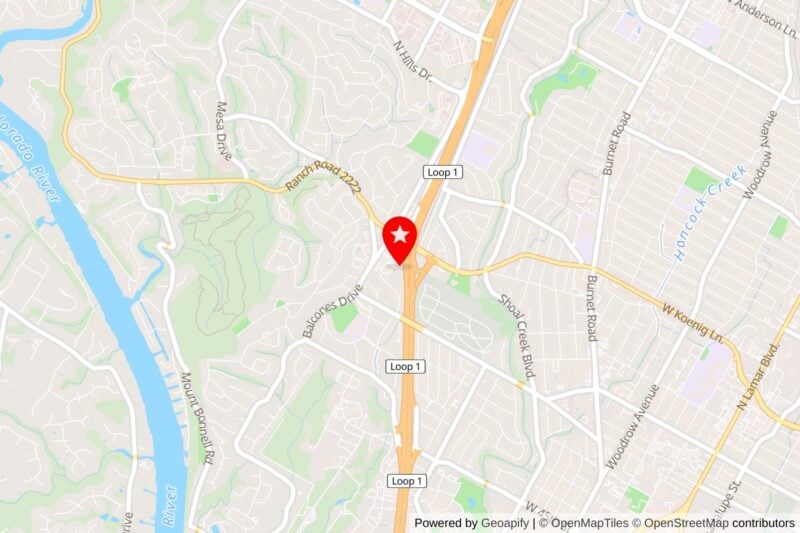
Austin Toxicology specializes in testing for toxic substances in the body. The center provides a range of diagnostic services, focusing on detection and treatment related to drug and alcohol testing.
With a commitment to accuracy, the facility utilizes advanced technology and methods to ensure reliable results. Professionals at Austin Toxicology are experienced in handling various toxicology cases, contributing to enhanced patient care.
The center is conveniently located, making it accessible for those in need of its services. Whether for personal health concerns or legal requirements, Austin Toxicology offers a comprehensive approach to toxicology testing.
Online Ratings: Not available as of August 29, 2024
Location: 3303 Northland Dr, Austin, TX 78731
Contact: (512) 371-8822
Austin Toxicology
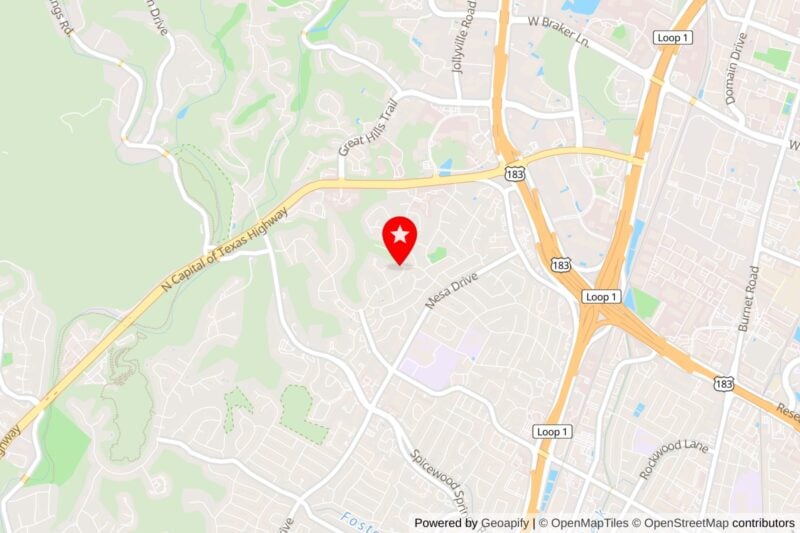
Austin Toxicology specializes in a range of toxicological assessments and diagnostic services. The facility is equipped to handle various cases, including drug testing and poison control consultations. Its knowledgeable staff provides thorough evaluations and support to healthcare professionals and patients alike.
The center is designed to accommodate a wide variety of toxicology needs. It focuses on ensuring accurate results and maintaining high standards of care. The experienced team takes pride in its commitment to professionalism and patient confidentiality.
In addition to diagnostic testing, Austin Toxicology offers expert consultations to guide treatment decisions. Their approach emphasizes a collaborative effort in managing toxic exposure cases. This aids in providing tailored recommendations that meet specific patient needs.
Austin Toxicology remains a vital resource in the Austin area for toxicology-related inquiries and interventions. Accessibility and expertise make it an important part of the local healthcare landscape. Efficient service and dedicated staff contribute to its role in the community.
Online Ratings: 4.7 (214 reviews)
Location: 4303 Hyridge Dr, Austin, TX 78759
Contact: (512) 343-0359
UT Austin Pharmacology and Toxicology Division
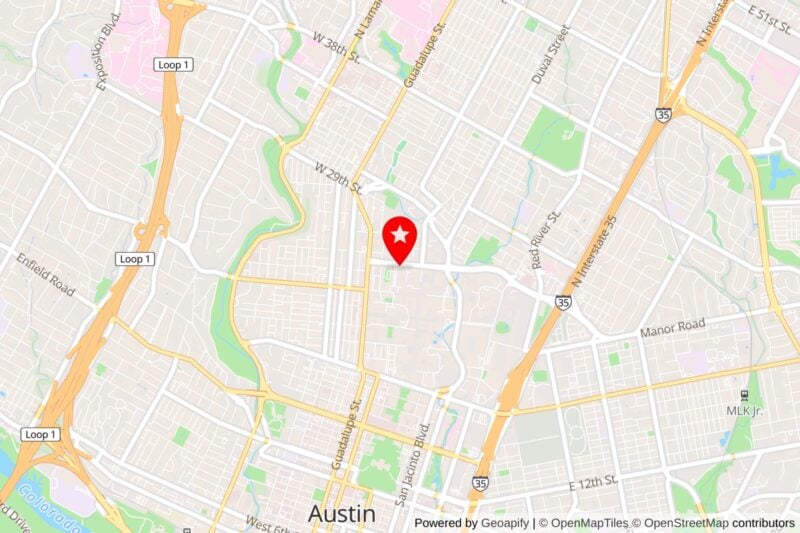
The UT Austin Pharmacology and Toxicology Division is part of the College of Pharmacy. It focuses on research and education in the areas of pharmacology and toxicology. The faculty members are involved in various innovative studies that address critical issues in drug development and safety.
Located within the Biomedical Engineering Building, the division provides a collaborative environment for students and researchers. This center is equipped with advanced facilities, enabling comprehensive research and practical training.
Collaboration with local and national institutions enhances the division’s impact on the field. Its contributions range from basic science research to applied health sciences.
For those interested in pursuing graduate studies, the division offers specialized programs. These programs prepare students for careers in academia, industry, and regulatory agencies.
Online Ratings: 4.7 (214 reviews) as of August 29, 2024
Location: Biomedical Engineering Building, 107 W Dean Keeton St Room 3.510, Austin, TX 78712
Contact: (512) 471-5158
Dydek Toxicology Consulting, L.L.C.
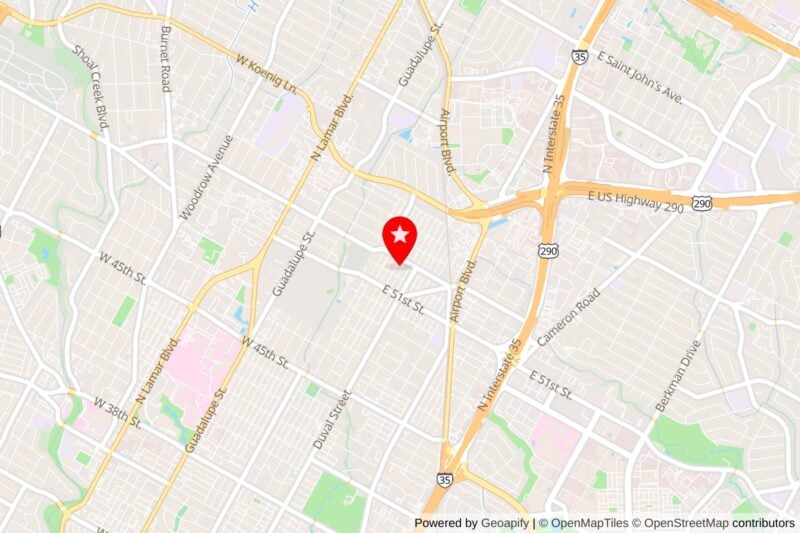
Dydek Toxicology Consulting specializes in toxicology and environmental health services. Located in Austin, Texas, it provides expert guidance in various toxicology-related matters. The firm caters to both individuals and organizations seeking assistance with toxicological evaluations.
Clients may find services that include risk assessment, exposure assessments, and legal consultations. The team at Dydek aims to deliver scientific insights to help navigate complex toxicological issues. Their approach emphasizes accurate data interpretation and practical solutions.
While specific online ratings and reviews are not mentioned in the provided information, the firm maintains a professional reputation in the field. Accessibility details or additional support options are not specified on its website.
For direct inquiries, interested parties can reach out via phone or visit their website for more information.
Online Ratings: N/A
Location: 5208 Avenue H, Austin, TX 78751
Contact: (512) 280-5477
North Texas Poison Center
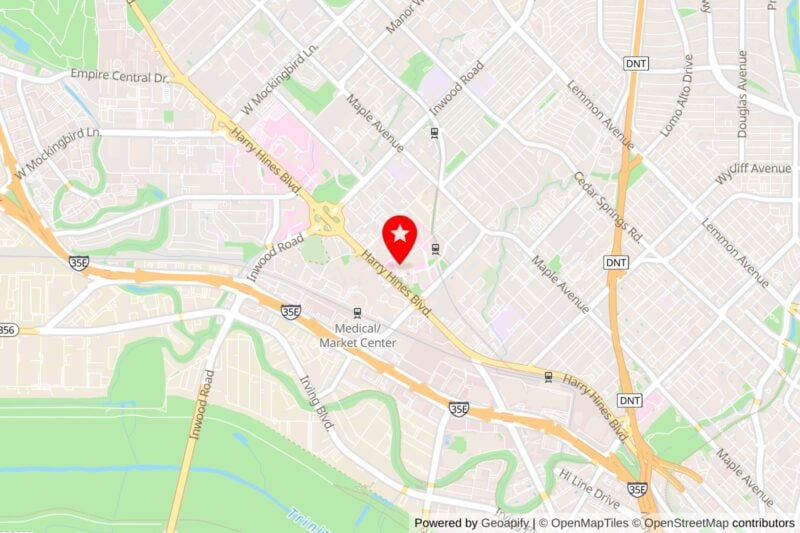
The North Texas Poison Center provides crucial support for poison-related emergencies. It offers a variety of resources to both professionals and the general public, focusing on education regarding toxic substances and immediate assistance during poisoning incidents.
This center is part of the Texas Poison Center Network and actively engages in public outreach. Their podcast covers essential topics, including bites and stings, as well as dangers related to household products.
With a dedicated team of specialists, the center offers 24/7 assistance, catering to urgent cases and providing guidance on prevention strategies. They facilitate ongoing education regarding various toxic exposures, fostering community awareness and safety.
Their online resources include information on poisonous plants, medication mix-ups, and other risks. The emphasis is on prevention and education, which is vital for reducing poisonings in the community.
Rating: 4.1 (18 reviews)
Location: 5201 Harry Hines Blvd, Dallas, TX 75235
Contact: (800) 222-1222
The Sobering Center – Austin
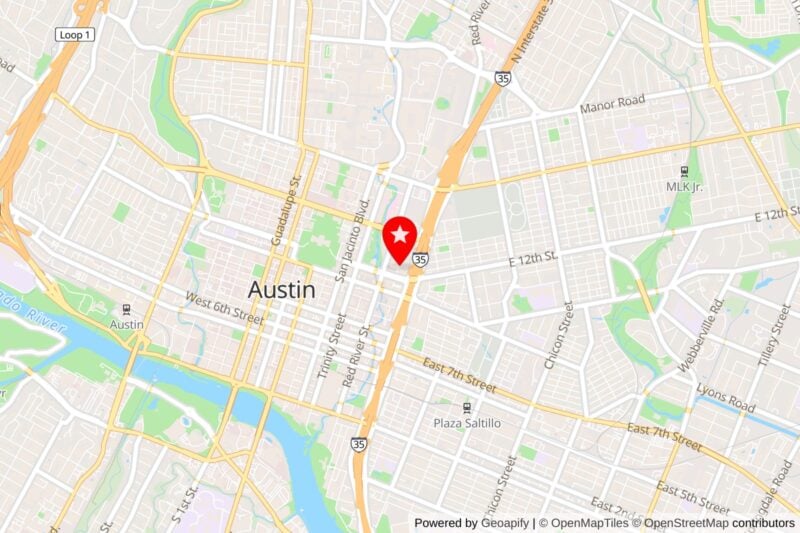
The Sobering Center provides a safe environment for individuals who are publicly intoxicated. It serves as an alternative to emergency rooms and jails, focusing on public health and safety. The center aims to facilitate a pathway to recovery for those in need.
Counseling services are available for individuals identified with substance use disorders. By diverting people from the criminal justice and medical systems, the center seeks to address the unmet needs of a significant portion of the population struggling with addictions.
The Sobering Center collaborates with local police departments and community organizations for referrals. It operates as a hub to connect individuals to necessary resources, helping them access treatment and support tailored to their specific challenges.
Clients can arrive at the center via various means, including ambulance or police referral, ensuring accessibility for those in need. The organization complements existing treatment options by focusing on stabilization and immediate intervention.
Rating: 4.6 (27 reviews)
Location: 1213 Sabine St, Austin, TX 78701
Contact: (512) 957-1900
Cenikor Foundation
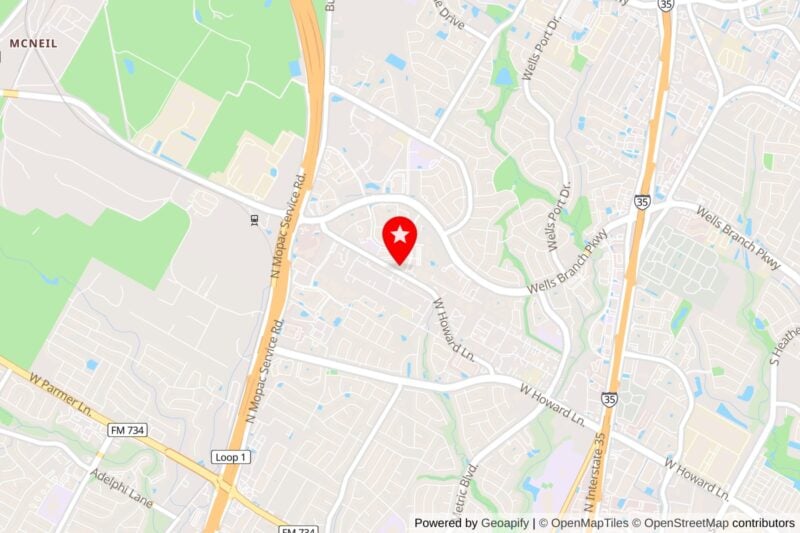
Cenikor Foundation is a well-established organization that specializes in addiction treatment and recovery services. Located in Austin, it provides a comprehensive range of programs designed to help individuals facing substance use disorders.
The foundation focuses on personalized care, offering various levels of treatment including residential, outpatient, and transitional living programs. These services are aimed at addressing not just the addiction but also the underlying issues that contribute to substance misuse.
Cenikor employs a holistic approach, incorporating behavioral therapies, group counseling, and educational workshops. This multifaceted strategy is intended to support individuals on their path to recovery and reintegration into society.
The center is also involved in community outreach, emphasizing the importance of awareness and education about the risks associated with substance abuse.
Online Ratings: 3 (41 reviews)
Location: 2410 W Howard Ln, Austin, TX 78728
Contact: (888) 236-4567
Toxicology Center Services
Toxicology centers offer a range of essential services that are crucial for diagnosing and managing toxic exposures. These services include clinical assessments, laboratory testing, and consultation and counseling. Each aspect plays a vital role in ensuring patients receive accurate and timely support.
Clinical Assessments
Clinical assessments are the first step in evaluating a patient’s condition after potential toxic exposure. These assessments often involve a thorough medical history, physical examination, and evaluation of symptoms. Toxicology specialists look for signs of toxicity, which may include altered mental status, respiratory distress, or gastrointestinal symptoms.
Staff at these centers are trained to recognize symptoms specific to various toxins. They often utilize standardized assessment protocols to ensure comprehensive evaluations. The results guide the immediate management and potential need for further interventions.
Laboratory Testing
Laboratory testing is critical for confirming diagnoses and determining the presence of specific toxins in the body. Toxicology centers typically have access to advanced testing methods, including blood, urine, and tissue analyses.
Common tests may investigate substances such as heavy metals, drugs, and chemicals. Testing is essential for both acute and chronic exposures, providing objective data to inform treatment strategies. Rapid turnaround times for results enable timely clinical decisions, which can be crucial for patient outcomes.
Consultation and Counseling
Consultation and counseling services are important for patients and their families dealing with toxic exposure. These services guide them through the complex emotional and medical aftermath of a toxic incident.
Toxicology specialists offer detailed information on the implications of specific exposures, potential health effects, and long-term management options. They also assist in navigation of available resources, including follow-up care and support groups. This holistic approach helps address not just the physical but also the psychological impacts of toxic exposures.
Patients in Austin rely on healthcare providers to deliver safe, effective treatment, but when errors occur they may fall under medical malpractice.
Advancements in Toxicology
Recent advancements in toxicology focus on innovative testing methods and cutting-edge research that enhance safety assessments and improve understanding of toxic substances. These developments play a crucial role in evaluating the effects of chemicals and biological agents on human health and the environment.
Innovative Testing Methods
Innovative testing methods in toxicology have emerged from technological advancements, particularly high-throughput screening and in silico modeling. High-throughput screening allows for rapid assessment of thousands of compounds simultaneously, using in vitro techniques. This approach can identify potential toxicity and streamline the drug development process.
In silico modeling leverages computational methods to predict toxicity based on chemical structure and biological data. Such models help prioritize compounds for further testing, reducing the reliance on animal studies. Together, these methods signify a shift toward more efficient and ethical toxicity assessments.
Cutting-edge Research
Cutting-edge research in toxicology is increasingly focused on understanding molecular mechanisms of toxicity. Advances stemming from the Human Genome Project have fostered new insights into genetic susceptibilities to various toxic agents. Researchers are exploring genomic, proteomic, and metabolomic data to better understand individual responses to chemicals.
The integration of artificial intelligence in data analysis is also revolutionizing toxicology research. AI algorithms can identify complex patterns in large datasets, facilitating more accurate risk assessments. Ongoing studies aim to refine predictive models for environmental and occupational exposures, enhancing public health protection.
Community Impact
The initiatives undertaken by toxicology centers in Austin play a pivotal role in enhancing community health through educational outreach and local collaborations. These programs foster awareness, knowledge, and proactive engagement in public health issues.
Educational Programs
Toxicology centers in Austin provide various educational programs aimed at informing the community about the effects of chemicals and drugs. These programs often include workshops, seminars, and interactive sessions designed for different demographics, including students, healthcare professionals, and the general public.
Key topics covered typically include substance abuse prevention, the importance of toxicology in public health, and practical knowledge on recognizing toxic exposure. Many programs utilize case studies to illustrate real-world applications, further enhancing understanding. Additionally, partnerships with schools and universities help integrate toxicology education into academic curricula.
Hands-on training sessions are often offered, equipping participants with vital skills for early intervention and response to toxicological emergencies. These initiatives ensure informed communities capable of making safer health choices.
Partnerships with Local Organizations
Toxicology centers actively collaborate with local organizations to address public health concerns and promote harm reduction strategies. By partnering with groups like the Texas Harm Reduction Alliance, they can better reach individuals most affected by substance abuse issues.
These partnerships often result in community town halls, focusing on urgent topics such as the rising rates of drug-related deaths. Through these events, community members have opportunities to engage with experts, ask questions, and receive resources tailored to their specific needs.
Collaboration extends to healthcare providers and educational institutions, which creates a cohesive network aimed at improving community health outcomes. Efforts are directed toward shared goals, such as reducing the stigma around substance use and enhancing access to recovery resources. These partnerships significantly contribute to creating a healthier environment in Austin.
Hastings Law Firm, Medical Malpractice Lawyers
4807 Spicewood Springs Rd Suite 1210 Building 1
Austin, TX 78759
512-813-9218
Related Articles
-
Recognized Dermatology Centers in Austin
-
Local Nephropathologists in Austin
-
Prominent Geriatric Care Centers in Austin
-
Nearby Mental Health Clinics in Austin
-
Popular Urgent Care Centers in Austin for Convenient Healthcare Access
-
Nearby Chiropractors in Austin
-
Well-known Pharmacists in Austin
-
Local Endocrinologists in Austin for Comprehensive Care
-
Nearby Home Health Care Services in Austin
-
Popular OB/GYN Centers in Austin Offering Comprehensive Women’s Health Services
