


Austin Medical Malpractice Lawyer
Hastings Law Firm represents injured patients and their families in Austin, Texas, in medical malpractice claims against hospitals and health care facilities, physicians, and medical staff. Our attorneys stand with each patient in the fight for justice and work to learn what went wrong in their care. You and your family deserve clear answers when negligent care has led to a serious injury, a longer road to healing, or the loss of someone you loved. Uncovering those answers starts with a conversation with a team that handles these cases every day. Our entire law firm is dedicated exclusively to medical malpractice litigation.
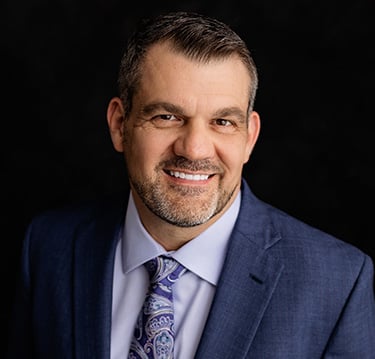
Trial-Ready Austin Medical Malpractice Attorneys Representing Injured Patients and Their Families
The medical malpractice attorneys at Hastings Law Firm bring uniquely experienced representation to injured patients and families in Austin, Texas. The firm’s founder, Tommy Hastings, is Board Certified in Personal Injury Trial Law by the Texas Board of Legal Specialization and has represented injured patients since 2001. Former malpractice defense attorneys who know how the medical industry defends claims are also part of our team.
Because our team knows how these claims are defended, every case we take is built to stand up at trial. Medical experts from our nationwide network study the records with our attorneys and show what accepted practice required, and whether the care met it. Our attorneys pursue every case with that persistence while keeping each family informed, and that work has earned multimillion-dollar settlements and record-setting verdicts for our clients. Our firm was founded in 2005 to handle medical malpractice, and every client since has received our full tenacity and support.
Contact us now for a free, confidential case review. Our team will document what you experienced, investigate what happened, and explain your options.

The Cases Our Austin Medical Negligence Law Firm Handles
Medical malpractice claims from Austin take many forms, and Hastings Law Firm’s work centers on misdiagnosis, surgical errors, birth injuries, pediatric malpractice, hospital negligence, and medication and anesthesia errors. Our attorneys also take on dangerous drug injury and doctor malpractice cases, and they build each claim by comparing the medical records with what the accepted standard of care required.
Austin families come to us most with these claims:
- Misdiagnosis and delayed diagnosis. For some symptoms, a provider needs to consider and reasonably rule out the most dangerous causes, and a diagnosis can go wrong when that step is skipped. A late diagnosis can mean harder treatment and a poorer outlook than an early one would have. Our misdiagnosis and failure to diagnose lawyers read each provider’s notes for the possible causes that were considered and set aside. They also ask whether a single test would have settled the question.
- Surgical errors. A sponge or surgical instrument left inside a patient can cause pain, infection, and a second operation to remove it. In surgical error claims, we go through the sponge and instrument counts from each operation, looking for a count that was skipped or signed without being done.
- Birth injuries. Too much force during a difficult delivery can injure the nerves in a baby’s shoulder and arm, and a newborn’s jaundice or breathing trouble can go untreated. A child can recover from some of these injuries and live with others for life. Our birth injury attorneys study the delivery notes and the nursery charts from the baby’s first days, and judge each step against the safer options the team had.
- Medication errors. A drug that needs close monitoring, such as a blood thinner, can be given without the lab checks it calls for, leading to internal bleeding or a stroke. For medication error claims, we set the dosing orders beside the lab results that should have guided them, which reveals any dose given before the results were back.
- Anesthesia errors. A breathing tube can end up in the food pipe instead of the windpipe, and the brain can go short of oxygen until someone notices. Our anesthesia malpractice lawyers compare the airway notes with the carbon dioxide readings that confirm where a tube sits, and work out how long the patient went without enough oxygen.
- Pediatric malpractice. Many children’s medicines are dosed by weight, so a wrong weight in the chart or a slipped decimal point can give a child many times the intended amount. An overdose that large can damage a child’s heart, liver, or brain. In pediatric malpractice claims, our attorneys redo the math behind every dose using the weight in the chart, so a miscalculation cannot hide.
- Hospital negligence. Many hospitals set criteria for calling a rapid response team when a patient’s vital signs worsen, and a patient’s condition can slide when staff do not make that call. A decline caught hours late can mean a stay in intensive care and additional recovery time. Our hospital negligence lawyers trace the vital signs charted on the unit and name the hour the hospital’s own criteria said to call for help.
These are the most common medical malpractice claims we see in Austin, but they do not represent every case type we accept. If another kind of medical error harmed you or someone you love, contact us, and an Austin medical malpractice attorney at our firm can go over it with you.
How Our Austin Medical Malpractice Lawyers Handle Your Claim
When an Austin family calls Hastings Law Firm about a medical malpractice claim, our lawyers start by finding out what went wrong. We request and review your medical records, consult medical experts when the case calls for them, and keep you informed while the claim moves toward settlement or trial.
That starts with where the care happened, which can be anywhere patients are treated, including clinics, physicians’ offices, outpatient surgery centers, and hospitals. In Austin, many families receive care at Dell Seton Medical Center at The University of Texas or St. David’s Medical Center. Many children are treated at Dell Children’s Medical Center or Texas Children’s Hospital Austin, and other patients are seen at hospitals and clinics across Travis, Williamson, and Hays counties.
Wherever you were treated, your first conversation is with an intake specialist, who asks about the care, who provided it, and when it took place. We then request your medical records at our own expense, and our attorneys and medical professionals review them.
If the records leave questions, we turn to a medical expert who practices the same kind of medicine as the care you received. A specialist can say what the accepted standard of care required in that field. Texas generally requires that opinion in an expert report early in the lawsuit, under Civil Practice and Remedies Code Section 74.351. We line it up while the records are still under review.
Once the review is done, we owe your family an honest answer. If a claim cannot go forward under Texas law, we explain the reason. Other steps may be open to you, for example a complaint to the Texas Medical Board, which can discipline physicians.
If the law supports a claim, each provider receives the written notice Texas requires before we file. The county is decided under Section 15.002, which generally points to a county where all or a substantial part of the care occurred. For care in Austin, that is generally Travis County, whose civil district courts sit at the Civil and Family Court Facility, 1700 Guadalupe Street, Austin, Texas 78701.
When care took place in Williamson County, the case may belong in its district courts at the Justice Center, 405 Martin Luther King Street, Georgetown, Texas 78626. In Hays County, the district court and District Clerk are at the Hays County Government Center, 712 South Stagecoach Trail, San Marcos, Texas 78666. Appeals from all three counties generally go to the Third Court of Appeals in Austin, at 209 West 14th Street, Room 101, Austin, Texas 78701.
Once we accept your case, board-certified patient advocates on our team stay in contact with you. They reach out when something noteworthy happens, so your family hears about each development from someone who knows the case.
The Hastings Law Firm Difference
Results matter, but what truly sets us apart is how we achieve them. Every verdict, every settlement, and every Austin courtroom victory comes from one guiding promise: To treat each client’s fight for justice as if it were our own.
This balance of skill, experience, and empathy reflects our core philosophy that justice should not only compensate the injured, but also make health care safer nationwide.

Why Hire Hastings Law Firm for a Medical Negligence Claim in Austin?
Hastings Law Firm specializes solely in medical malpractice cases, including birth injury, dangerous pharmaceutical and medical device litigation. Because this work is all our Austin attorneys do, they know the Texas laws behind these cases and the insurers and seasoned defense counsel on the other side.
Families come to us from across Texas and beyond, and each one who hires our firm in Austin receives the same careful preparation. It starts with a clear view of how the other side will answer the claim.
Lawyers Who Know How Malpractice Claims Are Defended
Every Austin client of Hastings Law Firm has the help of former malpractice defense attorneys who know how the medical industry defends claims. That knowledge lets our lawyers see the defense’s case taking shape before a lawsuit is filed and begin gathering the evidence to answer it.
Our attorneys expect the familiar defenses, such as calling the injury a known risk or blaming a condition the patient already had. They build the answer to each one into the record review. When the defense’s experts say the care met the standard, our own experts have already prepared a response they can give on the witness stand.
Innovation and Trial Preparation
Trial preparation at Hastings Law Firm starts the day our Austin attorneys take a medical malpractice claim. Our lawyers look for experts who make the medicine easy to understand, and clients hear what comes next as the evidence comes together.
Settlement talks change when an insurer knows our record at trial. Accepting an offer is the client’s decision, and our attorneys are prepared to take the case to a jury when a family says no.
Preparing that thoroughly can mean reading thousands of pages of medical records. For that work, our attorneys designed and built Florence, an AI tool unique to our firm that draws on decades of combined medical and legal experience. As a second set of eyes, Florence flags new angles and concerns, and our attorneys and medical professionals follow up on each one. Like our firm’s other innovations, it was built to serve clients, getting each family an answer sooner and giving our lawyers time to act before a filing deadline.
The Resources to See Every Case Through
In-house medical professionals work with Hastings Law Firm’s Austin lawyers on every malpractice claim, and our nationwide network of medical experts adds specialists from many fields. Those experts review each patient’s medical records with our attorneys and explain the medical questions in each claim. We advance their fees and every other cost the case requires.
A Firm That Treats Your Family With Dignity
An Austin family with a medical malpractice claim hears the truth from Hastings Law Firm, gets respect in every conversation, and receives news of each development that matters. Our founder, Tommy Hastings, wants each client to feel on the very first call that we are all in for them.
That commitment comes from knowing what a medical injury can do to a household, from missed work to the worry about what comes next. Our attorneys remember that every claim is about a real person and the family around them. Families choose our firm because they see how capable we are and know we are there for them.
When you are ready, your first conversation with us is free, and under our contingency fee you owe nothing in attorney fees unless we win.
Meet Our Austin Medical Malpractice Attorneys
Every lawyer at our firm has spent a career handling medical negligence cases. Our lawyers have tried patients’ claims before juries and represented people with injuries that can require care for life. Former malpractice defense attorneys on our team add a firsthand view of how hospitals and insurers fight these cases. Our Austin medical malpractice lawyers draw on all of that experience for each client’s case.

Tommy Hastings
Founder, Board Certified Personal Injury AttorneyTommy founded Hastings Law Firm in 2005 with one mission, to hold health care providers accountable when preventable medical harm changes lives. He is Board Certified in Personal Injury Trial Law by the Texas Board of Legal Specialization and a member of the prestigious American Board of Trial Advocates.
Tommy’s record includes multimillion-dollar verdicts and settlements in birth injury, surgical error, hospital failure, and medical wrongful death cases, among them the first civil verdict in the country against a pill mill. Tommy also teaches through the books he has written, his lectures, and the courses he directs. For him, great lawyers use both head and heart. Read Tommy Hastings’s full biography.
Gabriel “Gabe” Sassin
Senior Trial Counsel, Personal Injury AttorneyBefore joining Hastings Law Firm, Gabe spent more than a decade on the defense side of medical error claims, including serving as primary counsel to one of the largest surgical groups in the Houston area. That experience gave him a firsthand understanding of how hospitals and their defense teams think, prepare, and fight claims.
In 2020, Gabe joined Hastings Law Firm and began representing injured patients. He uses everything he learned on the other side of the courtroom to build cases that hold up against the medical industry’s defenses. For the families we represent, that experience makes all the difference. Read Gabe Sassin’s full biography.
Brady D. Williams
Senior Trial Counsel, Personal Injury AttorneyBrady is a nationally recognized attorney who represents patients and families harmed by medical mistakes, birth injuries, and catastrophic brain and spinal cord injuries. He returned to Texas in 2017 after beginning his career with a leading medical injury firm in California, and he has since resolved a large number of medical cases, with many tried to verdict. Each of those cases started with the family needing answers.
Brady’s approach is personal. To advocate for someone, you have to know them, understand their family, and understand what the injury has taken from their daily life, and he builds every case with that full picture in mind. Read Brady Williams’s full biography.



Our Austin Medical Malpractice Lawyers Come to You
Wherever an Austin family finds it easiest to meet, Hastings Law Firm’s medical malpractice attorneys will come to them, at home, at a patient’s bedside, or anywhere else in Texas. Phone and video calls work just as well. We represent families across Travis, Williamson, and Hays counties, as well as in Houston, Dallas, and North Dallas.
A grown child, parent, or spouse can reach our intake team by phone or through our online contact form for a patient who cannot. Spanish-speaking members of that team can take the call for families who would rather talk in Spanish. Family members in other cities or states can be on the same call, so nobody has to relay what was said later.
Our team becomes the only point of contact for the defense lawyers and insurers once your case is ours. We also keep track of every court deadline, so getting well can stay your family’s focus.
What Determines a Valid Medical Malpractice Claim in Texas
A medical malpractice claim in Texas is valid when it proves the provider owed the patient a duty, breached the standard of care, and caused the patient’s injury and losses. Windrum v. Kareh, a Texas Supreme Court decision, lays out those elements. Chapter 74 of the Civil Practice and Remedies Code governs claims over a physician’s or health care provider’s treatment.
Medicine carries risk, and a bad outcome is not always negligence. The damages available in a proven claim include pain and other noneconomic losses, along with medical bills, lost wages, and other economic losses. A claim with small losses rarely justifies the cost of hiring medical experts to prove it. Our guide to Texas medical malpractice law and its elements explains each one in more depth.
Harmed by Medical Negligence in Austin?
We’ll Uncover the Truth & Demand Accountability
Everyone at our firm is ready to help if medical malpractice has hurt you or someone you love in the Austin area. Your free case review is led by an Austin medical malpractice lawyer who reads the records and hears what happened before giving you an honest answer on your claim. It stays confidential, and you pay no attorney fees or costs unless we win. Put our tenacious advocacy in your corner. Contact us now!
Austin Medical Malpractice FAQs


This content was researched and written by the Hastings Law Firm editorial team, which includes attorneys, medical professionals, and experienced researchers. Our writing is informed by internal knowledge and practical experience, and we cross-check critical details against authoritative sources cited throughout. Every piece undergoes human-led fact-checking and legal review. Because legal and medical information can change, if you spot an error, please contact us. Learn more about our content standards and review process on our editorial policy page.

Gabe Sassin has focused exclusively on medical malpractice law since 2007. After spending more than a decade as a malpractice defense attorney, he knows exactly how the other side works. He has seen firsthand how healthcare providers, insurers, corporate defendants, and their legal teams think, prepare, and build their defense against claims. That knowledge works for the people who need it most today, injured patients and their families. His unique experience shapes everything he writes, giving readers a look at how these cases actually work from someone who has handled them from both sides.
