


Nearby Interventional Radiologists in Austin
Written by: Hastings Law Firm | Last Updated: February 13, 2026
Interventional radiologists perform procedures that often involve navigating catheters and wires through blood vessels, injecting medications into precise locations, or using imaging to guide biopsies and drains. Patients in Austin rely on these specialists for treatments that can be less invasive than traditional surgery, from managing blocked arteries to treating certain cancers. The work requires careful attention to imaging, positioning, and technique. Like any area of medicine, negligence happens in interventional radiology, even in well-regarded facilities.
Hastings Law Firm, founded by board-certified trial attorney Tommy Hastings, has represented patients harmed by medical negligence, unsafe medical products, and dangerous pharmaceuticals across multiple states for over two decades. The firm has handled cases involving radiologist malpractice in Texas and understands how errors during imaging-guided procedures can lead to serious injuries. If you or a loved one were harmed by an interventional radiologist in Austin, Hastings Law Firm is here to help.
ARA Diagnostic Imaging – Midtown / Theranostics Center / Interventional Radiology Center
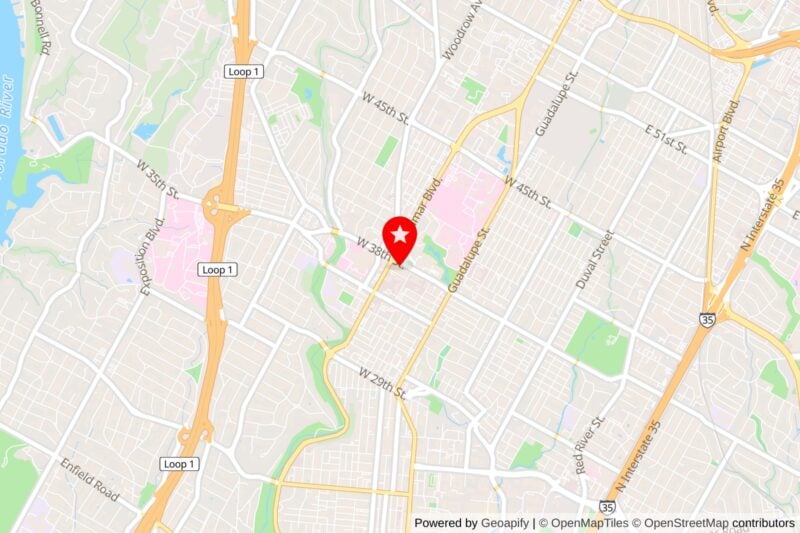
ARA Diagnostic Imaging offers a range of services in interventional radiology and imaging. The center is equipped with advanced technology, including a 1.5T MRI and various diagnostic imaging options. Their professional staff focuses on providing precise imaging solutions tailored to patient needs.
Operating hours vary by service. General hours are set from Monday to Friday, with specific times for MRI and PET/CT services. This flexibility enables patients to access the necessary services conveniently.
The facility is located in Austin, Texas, providing a crucial resource for individuals seeking diagnostic and therapeutic imaging. ARA Diagnostic Imaging prides itself on its comprehensive approach to care in a modern clinical environment.
Online Ratings: 4.7 (331 reviews)
Location: 901 W 38th St Ste 100, Austin, TX 78705
Contact: (512) 519-3456
Summit Interventional Radiology
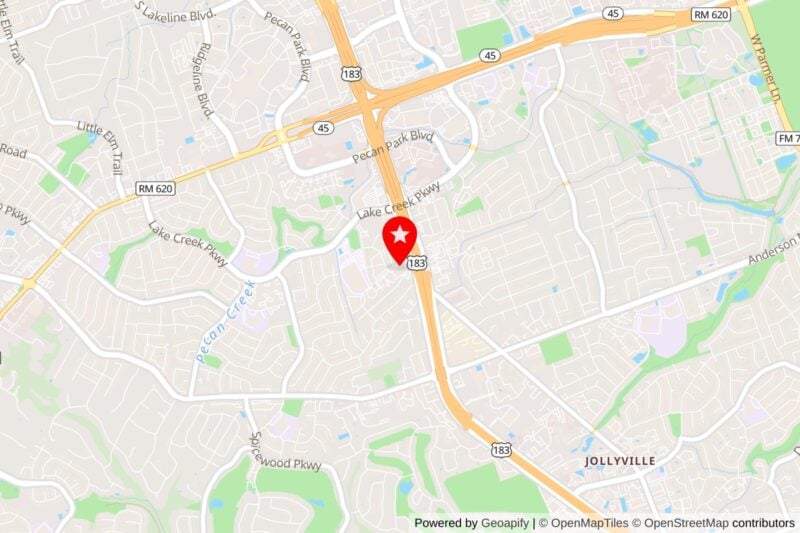
Summit Interventional Radiology specializes in minimally invasive procedures that offer alternatives to traditional surgery. Under the leadership of Dr. Preston Smith, the practice focuses on outpatient treatments that address various medical conditions.
The techniques employed at Summit can treat conditions such as enlarged prostates, uterine fibroids, and vascular diseases. The use of catheters allows for procedures to effectively block or open vessels in targeted areas, leading to effective relief with less discomfort.
Patients appreciate the emphasis on patient education and personalized treatment plans. Dr. Smith’s extensive experience in the field enhances the level of care provided to those seeking non-surgical options.
Summit Interventional Radiology aims to accommodate patients through convenient scheduling and consistent care. Dr. Smith personally oversees each patient’s journey, ensuring continuity in treatment.
Online Ratings: 5 (7 reviews)
Location: 12505 Hymeadow Dr Ste. 2C, Austin, TX 78750
Contact: (512) 828-4300
ARA Diagnostic Imaging – Southwood
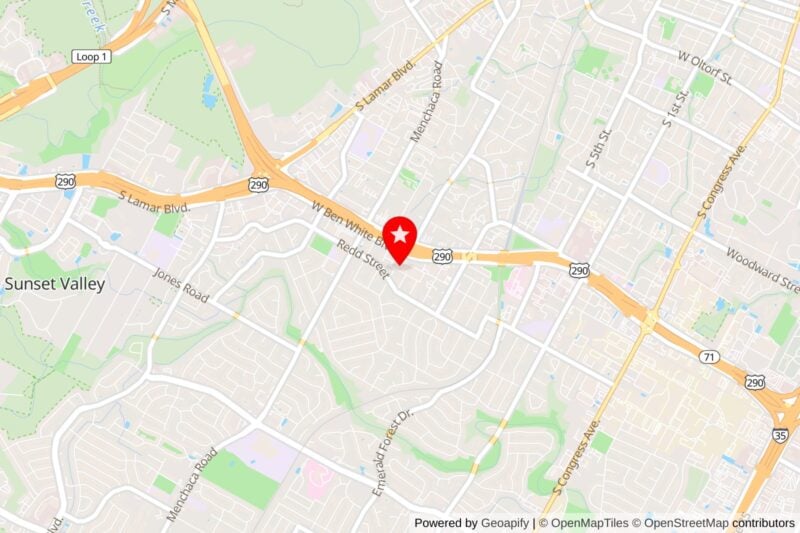
ARA Diagnostic Imaging – Southwood offers a range of diagnostic services in a modern facility. Their operating hours for general procedures extend from Monday to Friday, 8:00 AM to 5:00 PM. Specialized imaging services such as CT and MRI are available during extended hours.
The clinic provides advanced imaging options including 1.5T MRI, 3D screening mammography, and 3T open-bore MRI. Other services encompass bone densitometry, ultrasound, and X-ray, ensuring comprehensive diagnostic capabilities for various patient needs.
Staff at the facility are trained to ensure patient comfort and safety throughout the imaging process. They utilize the latest technology to deliver accurate results effectively.
For convenient access, the facility is well-situated in Austin, Texas.
Online Ratings: 4.7 (775 reviews)
Location: 1701 W Ben White Blvd Ste 170, Austin, TX 78704
Contact: (512) 428-9090
Dr. Murali A. Ranjithan, MD
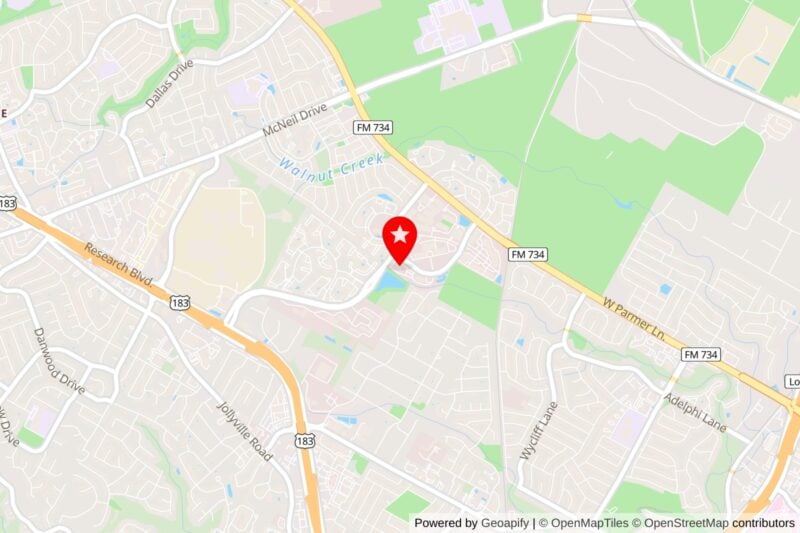
Dr. Murali A. Ranjithan specializes in interventional radiology, a field that uses minimally invasive procedures to diagnose and treat various conditions. He completed his medical education at Cornell University Medical College and has extensive training in diagnostic and interventional radiology.
His residency took place at Montefiore Medical Center, followed by a fellowship at the University of California San Francisco Medical Center. These experiences equipped him with advanced skills in imaging and intervention techniques.
Dr. Ranjithan is a member of several professional organizations, including the American College of Radiology and the Society for Interventional Radiology. His commitment to professional development is evident in his board certifications in interventional and diagnostic radiology.
Patients seeking specialized radiological care can contact his office for appointments and consultations.
Online Ratings: 4.7 (214 reviews)
Location: 12554 Riata Vista Cir, Austin, TX 78727
Contact: (512) 795-5100
Benefits of Interventional Radiology
Interventional radiology offers several advantages that cater to patient needs for effective treatment options. This specialty primarily utilizes advanced imaging techniques for precise guidance during procedures, resulting in significant benefits for patients. Key advantages include minimally invasive techniques, reduced recovery time, and cost efficiency.
Minimally Invasive Techniques
Interventional radiology employs minimally invasive methods, which involve smaller incisions compared to traditional surgery. With the use of advanced imaging technologies such as ultrasound, CT scans, and fluoroscopy, these procedures can target specific areas of concern.
This precision reduces trauma to surrounding tissues, leading to less pain and a lower risk of complications. Common procedures include angioplasty, stent placement, and embolization, which can effectively treat various conditions such as vascular blockages and tumors.
In many cases, procedures can be performed on an outpatient basis, allowing patients to return home shortly after treatments.
Reduced Recovery Time
Recovery time is significantly shortened with interventional radiology compared to open surgery. Patients often experience less pain and require fewer days of hospitalization.
For instance, while traditional surgeries may involve a recovery period of several weeks, many interventional procedures enable patients to resume normal activities within a matter of days.
This expedited recovery is particularly beneficial for individuals with busy schedules or those who prefer to avoid extended hospital stays. The combination of minimized physical trauma and reduced hospital resources often results in a quicker path back to everyday life.
Cost Efficiency
Interventional radiology can also be viewed as a cost-effective option for patients and healthcare systems. Due to the minimally invasive nature of procedures, patients generally face lower hospital bills.
Fewer days in the hospital and reduced postoperative complications contribute to overall savings. Additionally, these procedures can often replace traditional surgeries, which typically involve longer recovery times and higher associated costs.
As a result, patients may find that interventional options can lead to significant financial benefits while still achieving effective treatment outcomes.
Common Procedures Performed by Interventional Radiologists
Interventional radiologists utilize imaging techniques to perform minimally invasive procedures that diagnose and treat various medical conditions. The following key procedures are commonly conducted by these specialists.
Angioplasty and Stenting
Angioplasty is a procedure that opens narrowed or blocked blood vessels. Interventional radiologists insert a thin catheter into the affected artery. A balloon at the catheter’s tip is inflated, widening the vessel.
Stenting often follows angioplasty to keep the artery open. A small mesh tube, or stent, is placed at the site to provide structural support. This combination can be crucial in treating vascular conditions and improving blood flow.
Even in leading Austin medical centers, lapses in care may be considered medical malpractice.
Embolization
Embolization is a technique used to obstruct blood flow to a specific area, often to treat tumors or reduce bleeding. During the procedure, interventional radiologists insert catheters into blood vessels. Using imaging guidance, they deliver materials such as coils or particles to block the targeted blood vessels.
This method can minimize invasive surgery and is often used in cases such as liver tumors or fibroids. By controlling the blood supply, embolization effectively limits the growth of lesions and aids in symptom relief.
Image-Guided Biopsies
Image-guided biopsies are essential for obtaining tissue samples for diagnostic purposes. Interventional radiologists perform these procedures using advanced imaging techniques like ultrasound, CT scans, or MRI.
The radiologist navigates a needle to the site of concern, collecting cells for analysis. This technique allows for targeting areas that may be difficult to access surgically, providing pathologists with accurate samples for diagnosis. It is commonly applied in assessing masses in organs such as the liver, lungs, and kidneys.
Hastings Law Firm, Medical Malpractice Lawyers
4807 Spicewood Springs Rd Suite 1210 Building 1
Austin, TX 78759
512-813-9218
Related Articles
-
Recognized Neurology Centers in Austin
-
Prominent Medical Spas in Austin
-
Local Acupuncture Schools in Austin
-
Prominent Orthotic Centers in Austin
-
Nearby Sleep Specialists in Austin
-
Local Infectious Disease Centers in Austin
-
Local Neurotology Centers in Austin
-
Well-known Neonatal Intensive Care Units in Austin
-
Popular Endodontists in Austin
-
Recognized Epileptologists in Austin
