


Well-known Toxicologists in Austin and Their Areas of Expertise
Written by: Hastings Law Firm | Last Updated: February 13, 2026
Toxicologists play a quiet but essential role in Austin’s healthcare landscape. They analyze poisonings, diagnose exposure to harmful substances, and guide treatment when someone has ingested or come into contact with something dangerous. From accidental overdoses to workplace chemical exposures, these specialists help sort out what happened and what comes next. Their work often happens behind the scenes, in labs and consultation rooms, but it can make the difference in a patient’s recovery.
Negligence happens in every healthcare setting, even well-regarded ones. When a toxicologist in Texas misinterprets test results, delays a diagnosis, or overlooks a critical detail, the consequences can be severe. Hastings Law Firm, founded by board-certified trial attorney Tommy Hastings, has represented patients harmed by medical negligence, unsafe medical products, and dangerous pharmaceuticals across multiple states for over two decades. If you or a loved one were harmed by a toxicologist in Austin, Hastings Law Firm is here to help.
Dydek Toxicology Consulting, L.L.C.
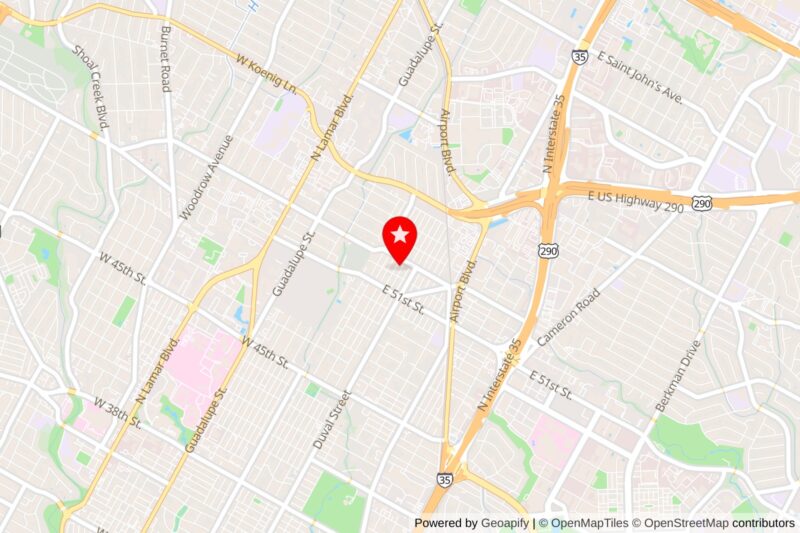
Dydek Toxicology Consulting, L.L.C. focuses on providing expert toxicological assessments and consultations. Their services aim to assist clients in navigating complex toxicology issues, including risk assessments and product safety evaluations.
The firm is staffed by professionals with extensive experience in the field. They apply scientific principles to evaluate toxic substances and provide insights that are crucial for regulatory compliance and safety.
Located in Austin, Dydek Toxicology Consulting serves a diverse clientele, including legal, corporate, and governmental entities. Their expertise supports industries that require thorough toxicological evaluations to ensure the health and safety of individuals and communities.
For more information, clients can reach out through their contact details available online.
Online Ratings: Not available as of August 29, 2024
Location: 5208 Avenue H, Austin, TX 78751
Contact: (512) 280-5477
Austin Toxicology

Austin Toxicology specializes in assessing and managing cases of toxic exposure. The facility is known for its comprehensive testing and evaluation services. It offers expertise in various areas, including environmental toxins and substance abuse.
Their team consists of experienced toxicologists who work closely with healthcare providers. The aim is to deliver accurate diagnoses and develop effective treatment plans for affected individuals. The facility also contributes to community awareness regarding toxic exposures.
Located in Austin, Texas, Austin Toxicology is equipped with modern diagnostic technology. This enables them to conduct thorough assessments in a timely manner. They strive to maintain high standards in toxicology services.
Online Ratings: 4.7 (214 reviews)
Location: 3303 Northland Dr, Austin, TX 78731
Contact: (512) 371-8822
Austin Toxicology

Austin Toxicology specializes in providing comprehensive toxicology services. This facility is equipped to handle various assessments, including drug testing and forensic toxicology.
The team consists of experienced professionals who utilize advanced techniques for accurate results. They focus on delivering timely and reliable toxicological data to their clients.
Convenience is a priority, with easy access for customers. The location in Austin ensures that it is well-positioned to serve both individuals and institutions seeking toxicology expertise.
Online Ratings: 4.7 (214 reviews)
Location: 4303 Hyridge Dr, Austin, TX 78759
Contact: (512) 343-0359
UT Austin Pharmacology and Toxicology Division

The Pharmacology and Toxicology Division at UT Austin is a prominent research center within the College of Pharmacy. It focuses on understanding the effects of drugs and toxic substances on biological systems. The division plays a key role in training future scientists in pharmacological and toxicological principles.
Research areas within the division include drug development, safety assessment, and the mechanisms of drug action. Faculty members are engaged in cutting-edge research, contributing to both academic knowledge and practical applications in healthcare. Collaboration with various departments enhances the interdisciplinary approach to research.
The division also offers graduate programs aimed at equipping students with essential skills and knowledge. These programs emphasize both theoretical foundations and practical experiences. Graduates are well-prepared for careers in academia, industry, and regulatory agencies.
Beyond research and education, the division engages in community outreach and educational programs. This commitment helps raise awareness about the impact of pharmacology and toxicology in everyday life.
Online Ratings: 4.7 (214 reviews) as of Thu Aug 29 2024
Location: Biomedical Engineering Building, 107 W Dean Keeton St, Austin, TX 78712
Contact: (512) 471-5158
Foremost Forensics
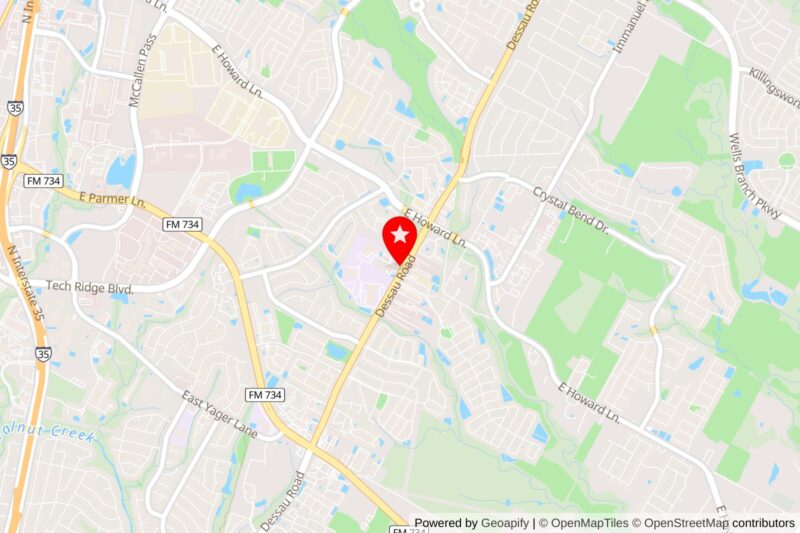
Foremost Forensics is a local company in Austin specializing in on-site services related to FMCSA’s Grant of Waiver and DOT medical cards. They provide a variety of drug and alcohol testing services, including pre-employment, post-accident, random, and reasonable suspicion testing.
The company operates 24/7, offering after-hours services for urgent post-accident testing needs. Additionally, Foremost Forensics delivers background checks and training for designated employer representatives, supervisors, and employees.
Their mobile laboratory services eliminate the need for clients to quarantine spaces for testing, ensuring convenience during the process. They also offer DNA and paternity testing, catering to diverse needs within the community.
Foremost Forensics is committed to serving clients effectively, ensuring compliance with regulatory requirements for transportation and safety.
Online Ratings: 5 (4 reviews)
Location: 1508 Dessau Ridge Ln Suite 706, Austin, TX 78754
Contact: (512) 300-0251
The Role Of Toxicologists
Toxicologists play a critical role in assessing the effects of hazardous substances on health and the environment. Their work is essential in ensuring public safety and informing regulatory standards for various chemicals. Below are the key functions and significance of toxicologists in public health.
What Toxicologists Do
Toxicologists focus on studying the effects of chemicals, biological agents, and physical agents on living organisms. They investigate the mechanisms of toxicity, identifying how substances cause harm at molecular and cellular levels.
Primarily, their responsibilities include:
- Risk Assessment: Evaluating potential health risks from exposure to chemicals.
- Research: Conducting experiments to understand toxicity and safe exposure levels.
- Regulatory Compliance: Assisting in the development of safety guidelines and regulations.
Through a multidisciplinary approach, toxicologists collaborate with chemists, biologists, and environmental scientists to provide comprehensive assessments that inform public health policies.
Importance Of Toxicologists In Public Health
Toxicologists play a pivotal role in safeguarding public health through their extensive research and assessments. By determining the safe levels of chemicals, they help prevent adverse health effects in populations.
Their contributions include:
- Monitoring Environmental Chemicals: Evaluating pollutants in air, water, and food sources.
- Public Safety Regulations: Informing policies that protect communities from hazardous materials.
- Emergency Response: Assisting in cases of chemical spills or exposure incidents.
This expertise not only helps in immediate risk evaluation but also aids in the creation of long-term safety standards that impact public health initiatives and regulatory frameworks.
Austin patients trust their doctors and hospitals, but serious errors can give rise to claims of medical negligence.
Education and Certification in Toxicology
A career in toxicology requires a solid educational foundation and appropriate credentials. The following sections illuminate the necessary academic pathways and certification options available to aspiring toxicologists.
Educational Pathway
To become a toxicologist, one typically starts with a Bachelor’s degree in a relevant field such as toxicology, biology, or chemistry. Many institutions offer specialized programs focusing on toxicology, which cover essential topics like pharmacology and environmental science.
After obtaining a bachelor’s degree, pursuing a Master’s or PhD is common for those seeking advanced roles in the field. Doctoral programs allow for specialization in areas like forensic or clinical toxicology, further enhancing expertise. Research opportunities during these advanced programs are vital for developing practical skills and gaining deeper knowledge in toxicology.
A complete educational trajectory often includes internships or laboratory experiences, which provide essential hands-on training. This rigorous educational process ensures that graduates are thoroughly prepared to address complex toxicological challenges.
Certification and Licensing
Certification in toxicology is not universally required but can enhance career prospects. The American Board of Toxicology (ABT) offers a certification program that evaluates professional competency. Becoming board-certified typically involves passing an extensive examination.
To qualify for certification, candidates must meet education and experience prerequisites. A PhD in toxicology or a related field and several years of work experience are often necessary. Continuing education is critical to maintaining certification, as it ensures professionals stay current with developments in the field.
Licensing requirements vary by state or country, so it is crucial for toxicologists to understand local regulations. Engaging with professional organizations can provide resources and guidance on certification and licensing, contributing significantly to career advancement.
Hastings Law Firm, Medical Malpractice Lawyers
4807 Spicewood Springs Rd Suite 1210 Building 1
Austin, TX 78759
512-813-9218
Related Articles
-
Prominent Vascular Surgeons in Austin
-
Local Cardiac Catheterization Labs in Austin
-
Recognized Orthopedists in Austin
-
Local Clinical Laboratories in Austin
-
Prominent Surgical Centers in Austin
-
Well-known Spine Surgery Centers in Austin
-
Local Oncological Surgeons in Austin
-
Local Prosthodontists in Austin
-
Nearby Interventional Radiologists in Austin
-
Prominent Transplant Centers in Austin
