


Recognized Interventional Radiology Centers in Houston
Written by: Hastings Law Firm | Last Updated: February 13, 2026
Interventional radiology has transformed how physicians diagnose and treat many conditions without traditional surgery. Instead of large incisions, these procedures rely on imaging technology to guide catheters, needles, and small instruments through blood vessels or other pathways in the body. Houston residents turn to interventional radiologists for everything from treating uterine fibroids and blocked arteries to draining abscesses and performing biopsies. The approach often means shorter recovery times and fewer complications than open surgery.
Like any medical specialty, radiologist negligence happens in every setting, even those with strong reputations. Hastings Law Firm, founded by board-certified trial attorney Tommy Hastings, has represented patients harmed by medical negligence, unsafe medical products, and dangerous pharmaceuticals across multiple states for over twenty years. If you or a loved one were harmed by an interventional radiologist in Houston, Hastings Law Firm is here to help.
Houston Premier Radiology Center
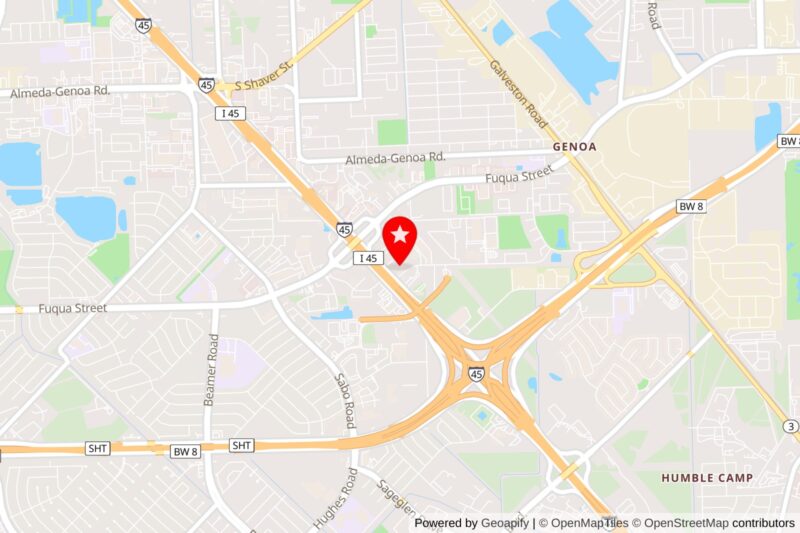
Houston Premier Radiology Center focuses on providing personalized, high-quality care in a comfortable environment. The center aims to serve both patients and referring physicians efficiently and effectively.
They offer a range of comprehensive radiology services, using advanced technology to ensure timely results. The center is dedicated to patient-centered care, making it a suitable choice for necessary and preventative imaging needs.
Operating hours are Monday through Friday from 8:00 a.m. to 10:00 p.m., accommodating various schedules. Patients can access a physician portal for streamlined communication regarding results and imaging requests.
Online Ratings: 4.8 (1200 reviews)
Location: 12853 Gulf Fwy, Houston, TX 77034
Contact: (281) 464-8200
UT Physicians Interventional Radiology Clinic
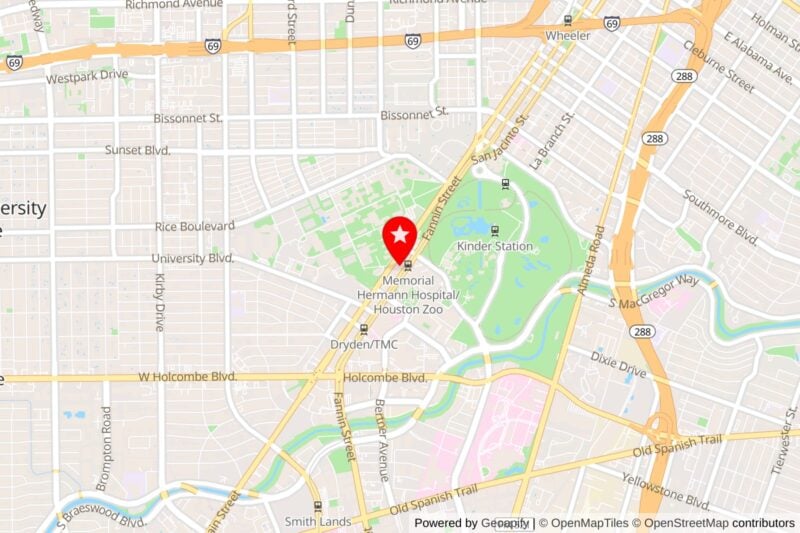
UT Physicians Interventional Radiology Clinic specializes in advanced imaging techniques and minimally invasive procedures. The clinic employs a team of experienced physicians focused on providing effective treatment options for various conditions.
Patients can access a wide range of interventional radiology services. These may include diagnostic imaging, catheter-based treatments, and targeted therapies for conditions affecting different organ systems.
Located in Houston, the clinic is part of a larger network offering diverse medical services. This affiliation allows for seamless coordination of care, integrating various specialties to address patients’ comprehensive healthcare needs.
The team at UT Physicians is dedicated to delivering tailored care in a patient-centered environment. Their commitment to using state-of-the-art technology supports improved outcomes for those seeking interventional treatments.
Online Ratings: 5 (7 reviews)
Location: 6410 Fannin St # 1508, Houston, TX 77030
Contact: (713) 486-6130
Houston Medical Imaging
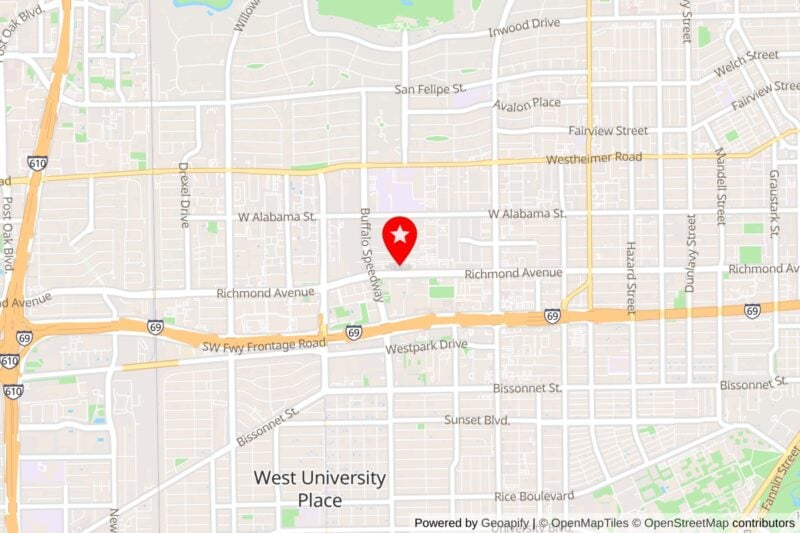
Houston Medical Imaging is a prominent outpatient imaging center that offers a range of diagnostic services, including interventional radiology. The facility operates several locations throughout the Houston area, providing convenient access for patients.
The center employs advanced imaging technology and has a team of specialized radiologists. This focus on innovation allows for efficient and accurate diagnostic procedures tailored to patients’ needs.
With a commitment to patient care, Houston Medical Imaging emphasizes a compassionate approach. The staff is trained to ensure a comfortable experience from the moment patients arrive.
The center supports clinical research trials, further enhancing its contributions to the medical community. Patients trust the facility for its dedication to high-quality imaging services in a professional environment.
Online Ratings: 4.7 (714 reviews)
Location: 3310 Richmond Ave., Houston, TX 77098
Contact: (713) 797-1919
Houston Medical Imaging
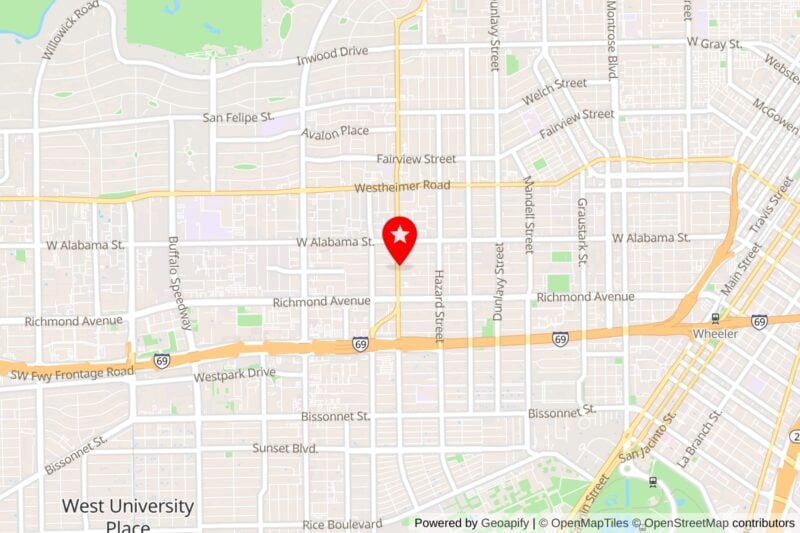
Houston Medical Imaging is a prominent outpatient imaging center with multiple locations in the Houston area. Established in 1998, it operates independently and is physician-owned. The facility is known for employing highly trained radiologists who specialize in a range of imaging services.
The center offers advanced imaging technologies, including MRI, CT scans, and nuclear medicine. Patients can access various modalities, such as mammograms and ultrasounds, all performed using state-of-the-art equipment. This focus on technology aims to enhance the quality and accuracy of diagnostic imaging.
Houston Medical Imaging serves as a resource for both patients and referring clinicians, facilitating numerous diagnostic procedures. Its commitment to patient care is reflected in its streamlined processes and dedicated staff, which contribute to a positive imaging experience.
The center is also involved in clinical research, further establishing its position in the medical imaging community.
Online Ratings: 5 (183 reviews)
Location: 3301 S Shepherd Dr #3320, Houston, TX 77098
Contact: (713) 589-5231
Interventional Radiology: An Overview
Interventional radiology offers a unique approach to diagnosing and treating various conditions using minimally invasive techniques. Utilizing advanced imaging technology, interventional radiologists perform a range of procedures that emphasize patient safety and efficacy.
What Is Interventional Radiology?
Interventional radiology is a medical specialty that employs imaging techniques such as ultrasound, CT scans, X-rays, and MRIs to guide minimally invasive procedures. This field combines diagnostic imaging with therapeutic interventions, allowing for quicker procedures and enhanced recovery times.
Treatment options often include the placement of catheters, stents, or filters. Interventional radiologists are specially trained to navigate complex anatomy, ensuring precise targeting of pathologies. This specialty also addresses conditions in various organ systems, enhancing patient outcomes while reducing complications typically associated with open surgeries.
Key Procedures in Interventional Radiology
Key procedures in interventional radiology encompass a variety of targeted treatments. These may include:
- Angioplasty and Stenting: Used to open narrowed vessels.
- Biopsy: Aiding in the diagnosis of tumors by extracting tissue samples.
- Radiofrequency Ablation: A technique for destroying malignant tissues using heat.
Additionally, interventional radiologists often perform drainage procedures, such as abscess drainage or biliary drainage. These procedures leverage advanced imaging for real-time guidance, increasing safety and precision. By minimizing the need for traditional surgery, interventional radiology provides patients with effective alternatives for management of numerous conditions.
Benefits of Interventional Radiology
Interventional radiology (IR) offers numerous advantages through advanced techniques that enhance patient care. Two significant benefits include the use of minimally invasive procedures and the resulting reduced recovery time.
Minimally Invasive Techniques
Minimally invasive techniques are a hallmark of interventional radiology, utilizing small incisions and image-guided technology. Procedures such as angioplasty, stent placement, and embolization are performed through tiny access points, often in the groin or wrist.
This approach minimizes trauma to the body, which typically leads to:
- Less Pain: Patients often report lower pain levels compared to traditional surgical methods.
- Decreased Risk of Infection: Smaller incisions reduce the likelihood of infections, a critical consideration in any medical procedure.
- Shorter Hospital Stays: Many procedures can be done on an outpatient basis, allowing patients to return home the same day.
As a result, patients benefit from effective treatments with fewer complications.
Reduced Recovery Time
The recovery time associated with interventional radiology procedures is generally shorter than that of open surgeries. Since each procedure is less invasive, patients often experience quicker healing.
Key aspects of reduced recovery time include:
- Faster Return to Daily Activities: Many patients resume normal activities within a few days.
- Lower Need for Rehabilitation: A shorter recovery often translates to less physical therapy or rehabilitation needed.
- Fewer Follow-Up Visits: Patients generally require fewer follow-up procedures, leading to greater overall efficiency in care.
These factors make interventional radiology a practical option for many patients, allowing them to focus on their health without prolonged interruptions.
Victims of medical malpractice in Houston may have grounds to pursue a legal claim and seek compensation.
Finding a Qualified Interventional Radiologist
Choosing a qualified interventional radiologist is crucial for ensuring effective care. Key considerations include certification, specialized training, and relevant experience in the specific procedures required.
Certification and Training
When seeking an interventional radiologist, confirming their certification is essential. The American Board of Radiology (ABR) certifies radiologists who complete rigorous training and examinations. Look for specialists who have completed a fellowship in interventional radiology, which typically includes one additional year of training specifically focused on invasive techniques.
In addition to formal education, check if the radiologist participates in continuous education programs. This may indicate a commitment to staying updated on the latest advancements in the field. Local hospitals or healthcare facilities often provide this information on their websites or upon request.
Questions to Ask Your Radiologist
Before proceeding with treatments, patients should prepare questions to assess a radiologist’s expertise. Consider asking:
- What is your experience with my specific condition?
- Can you describe the procedure in detail, including risks?
- What options are available, and why do you recommend this particular approach?
Inquiring about online ratings can inform patients about others’ experiences. For example, Dr. Carlos Fares Bechara holds a rating of 5.0 based on 23 reviews, as of August 29, 2024. This can provide insight into patient satisfaction and the quality of care provided.
Hastings Law Firm, Medical Malpractice Lawyers
2200 North Loop W #118
Houston, TX 77018-1753
346-245-5495
Related Articles
-
Popular Physical Rehabilitation Centers in Houston for Comprehensive Care
-
Local Prosthetics Centers in Houston
-
Recognized Gastroenterologists in Houston
-
Nearby Home Health Care Services in Houston
-
Well-known Burn Centers in Houston
-
Local Genetic Counselors in Houston
-
Popular Nursing Homes in Houston
-
Popular Cancer Treatment Centers in Houston
-
Prominent Plastic Surgeons in Houston
-
Local Palliative Care Centers in Houston