


Local Palliative Care Centers in Houston
Written by: Hastings Law Firm | Last Updated: February 13, 2026
When someone you love faces a serious illness, palliative care can provide relief from pain and other difficult symptoms. Houston offers a range of palliative care centers that focus on comfort and quality of life for patients dealing with cancer, heart disease, kidney failure, and other conditions. These programs work alongside other treatments to help manage physical discomfort and emotional strain. Families often turn to palliative care when standard medical treatments become overwhelming or when the focus shifts to maintaining dignity and comfort.
Like all areas of healthcare, negligence happens in palliative care settings, even those with strong reputations. Hastings Law Firm, founded by board-certified trial attorney Tommy Hastings, has represented patients harmed by medical negligence, unsafe medical products, and dangerous pharmaceuticals across multiple states for over two decades. If you or a loved one were harmed by a palliative care provider in Houston, Hastings Law Firm is here to help.
Elite Hospice and Palliative Care
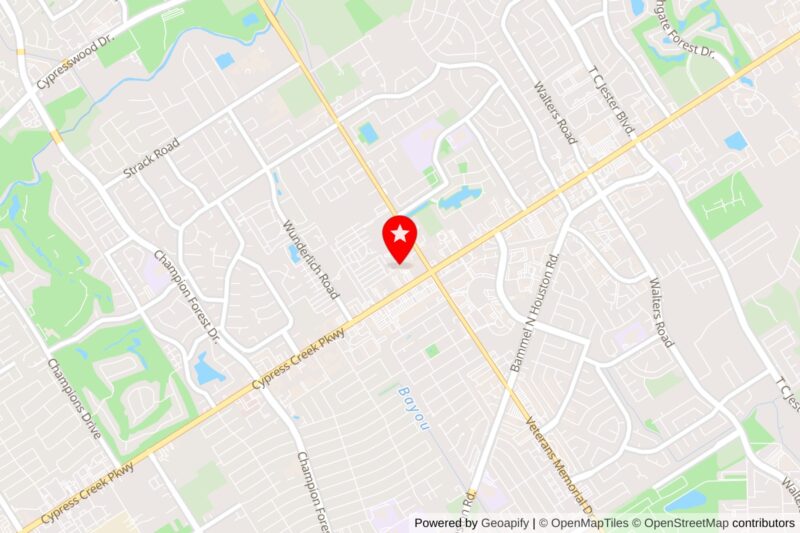
Elite Hospice and Palliative Care is a Houston-based provider of hospice services. It aims to support patients facing life-limiting illnesses by focusing on comfort and quality of life.
Their services include inpatient care, at-home hospice care, respite care, and bereavement support. Inpatient care occurs in a calm and homelike setting, catering to patients in their final phase of life.
At-home hospice care is offered where the patient resides, ensuring comfort as they navigate their illness. Respite care allows primary caregivers to take short breaks while ensuring their loved ones receive professional support.
Elite Hospice prioritizes local community needs, providing a responsive approach to care decisions. Their team offers support to families and caregivers around the clock.
Online Ratings: 5 (10 reviews)
Location: 4606 Farm to Market 1960 Rd W Suite 570, Houston, TX 77069
Contact: (832) 666-7675
Kindle Hospice and Palliative Care
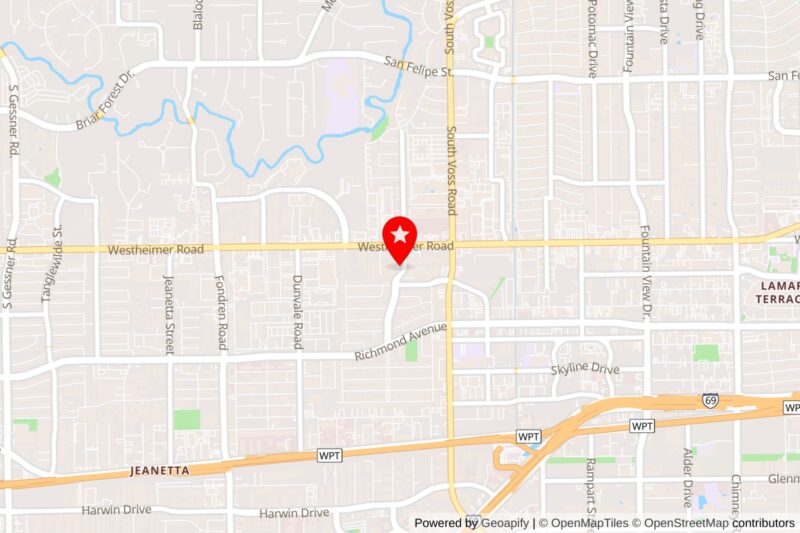
Kindle Hospice and Palliative Care provides specialized services aimed at improving the quality of life for patients facing serious illnesses. Their approach focuses on managing pain and alleviating symptoms while offering emotional and spiritual support to both patients and families.
The facility is located in Houston, Texas, and is designed to create a comforting environment for patients. Their team consists of healthcare professionals dedicated to providing compassionate care tailored to individual needs.
Families can expect assistance in navigating the complexities of healthcare decisions during challenging times. The center emphasizes communication and collaboration, ensuring that caregivers are well-informed.
Online Ratings: 5 (1 review)
Location: 2808 Stoney Brook Dr, Houston, TX 77063
Contact: (832) 558-8000
Houston Hospice
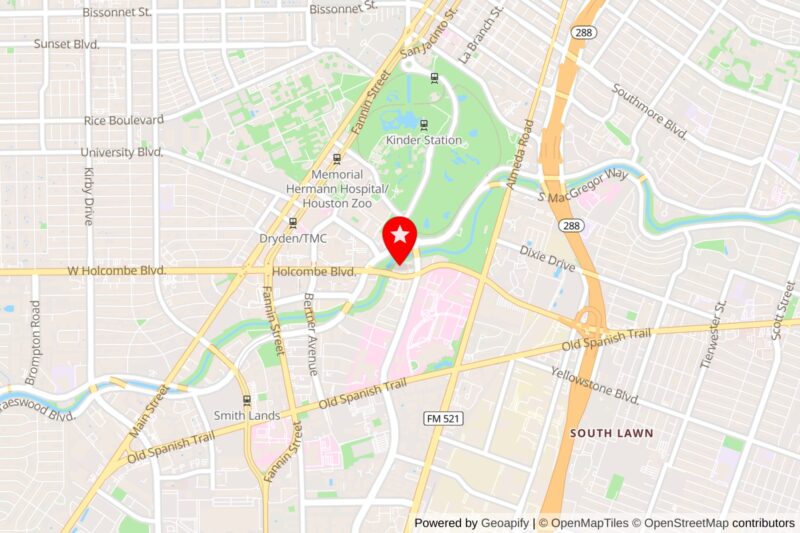
Houston Hospice is a nonprofit organization dedicated to providing compassionate end-of-life care. It serves patients and families throughout 13 counties in Southeast Texas. The organization prioritizes diversity, welcoming individuals regardless of age, race, or financial status.
Established in 1980, Houston Hospice has become the longest-tenured hospice in Greater Houston. The facility employs hospice-certified doctors and nurses who focus on managing the unique pain and symptoms associated with end-of-life care.
In addition to hospice services, Houston Hospice offers bereavement support, ensuring families receive the necessary emotional assistance during difficult times. Its programs are designed to help create meaningful memories while addressing the specific needs of patients and their loved ones.
Houston Hospice also has a dedicated Veteran Care program, focusing on the unique needs of veterans and their families. As a We Honor Veterans Level 4 Partner, it provides specialized care tailored to veterans who have served in the U.S. Armed Forces.
Online Ratings: 4.1 (79 reviews)
Location: 1905 Holcombe Blvd, Houston, TX 77030
Contact: (713) 468-2441
Vantage Hospice
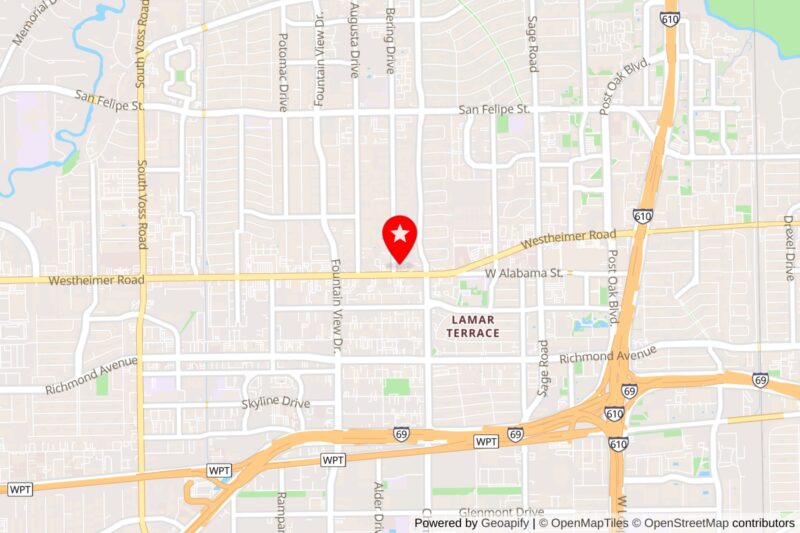
Vantage Hospice provides a range of compassionate palliative care services in Houston. The facility focuses on delivering personalized support to patients and their families during challenging times. The staff members are noted for their professionalism and empathy.
Many families express appreciation for the attentive care provided by the team. Testimonials highlight the strong relationships built between caregivers and patients, emphasizing the compassionate approach taken by the staff. Specific team members have been recognized for their positive interactions, contributing to a supportive environment.
Vantage Hospice aims to foster a sense of comfort and dignity for those receiving care. Their commitment to high-quality support reflects in the experiences shared by families, indicating a caring atmosphere that prioritizes patients’ needs.
Online Ratings: 4.5 (83 reviews)
Location: 5718 Westheimer Rd Suite 1650, Houston, TX 77057
Contact: (281) 579-5660
Three Oaks Hospice | Houston West
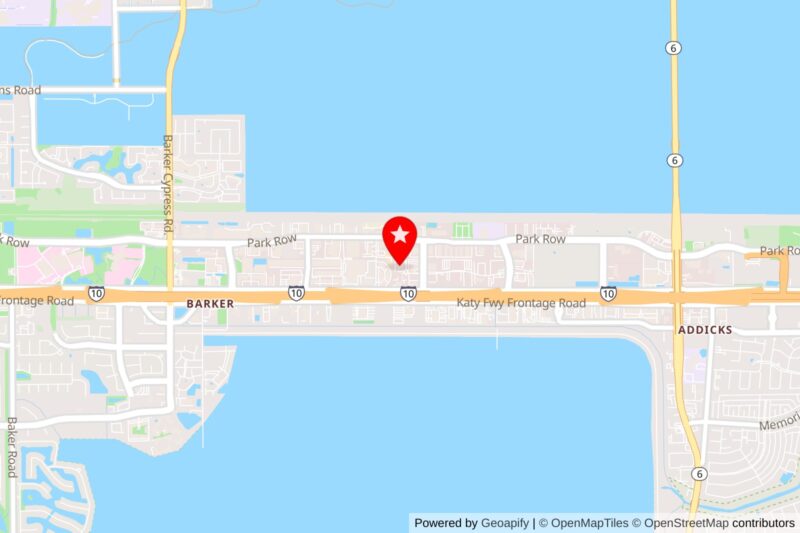
Three Oaks Hospice provides specialized palliative care services tailored to patients with advanced illnesses. The staff, which includes nurses, chaplains, and counselors, works collaboratively to manage symptoms and enhance quality of life.
This hospice focuses on individualized care plans for patients dealing with terminal conditions. Services offered include pain management, nursing care, social work, and bereavement support for families.
In addition, Three Oaks Hospice conducts assessments to identify patients’ physical, emotional, and spiritual needs. The goal is to facilitate comfort and support in familiar environments, whether at home or in assisted living facilities.
The center serves various counties in the Houston area, highlighting its commitment to accessibility in healthcare services.
Online Ratings: 4.4 (23 reviews)
Location: 16420 Park Ten Pl #220, Houston, TX 77084
Contact: (832) 539-8627
Benefits of Local Palliative Care
Local palliative care centers provide specialized support aimed at improving the quality of life for patients with serious illnesses. They offer comprehensive resources not only for symptom management but also for enhancing family involvement in the care process.
Holistic Approach
Palliative care encompasses a holistic approach that addresses not just physical symptoms but also emotional, social, and spiritual aspects of a patient’s well-being. This model encourages collaboration among healthcare professionals, including physicians, nurses, social workers, and chaplains.
Key components include:
- Symptom Management: Focus on alleviating pain and other distressing symptoms.
- Psychosocial Support: Addressing mental health needs through counseling and therapy.
- Care Coordination: Streamlined communication between the care team and patient’s primary physician ensures that all aspects of care are aligned.
For patients with conditions like cancer, heart disease, or COPD, this multifaceted support can be crucial for maintaining comfort and dignity during difficult times.
Family Support
One significant benefit of local palliative care centers is their emphasis on providing support to families. Families often bear a heavy emotional and logistical burden when caring for a loved one with a serious illness.
Families receive:
- Educational Resources: Information on the illness, treatment options, and caregiving strategies.
- Emotional Support: Access to counselors and support groups designed for family members.
- Respite Care Options: Temporary relief for caregivers, allowing them time for self-care.
This comprehensive support helps families feel more empowered and capable in managing their loved one’s care, contributing to improved emotional and mental health for both patients and their families.
Understanding Palliative Care
Palliative care provides comprehensive support to individuals facing serious illnesses, focusing on enhancing their quality of life. It encompasses various aspects including symptom management and emotional support, ensuring that patients and families navigate the complexities of serious health challenges effectively.
Definition and Scope
Palliative care is a specialized medical approach aimed at alleviating symptoms and stress related to serious illnesses. It is not limited to end-of-life scenarios but is applicable at any stage of the disease, alongside curative treatments. The core goal is to improve quality of life for both patients and their families.
Key components include:
- Symptom Management: Addressing pain, fatigue, nausea, and loss of appetite.
- Emotional Support: Providing counseling for anxiety and depression.
- Care Coordination: Collaborating with different healthcare providers for enhanced management of the patient’s condition.
This holistic approach is characterized by individualized care plans tailored to meet the specific needs of patients.
Difference Between Palliative and Hospice Care
While both palliative and hospice care aim to improve quality of life, they serve different patient needs.
Palliative Care: Available to patients at any stage of a serious illness, whether they are undergoing curative treatment or not. It focuses on relieving symptoms and supporting both mental and emotional well-being.
Hospice Care: Specifically designed for individuals who are in the final stages of life, typically with a prognosis of six months or less. It prioritizes comfort rather than cure, emphasizing compassionate care.
Both modalities share the principle of patient-centered care, yet their focus and timing in the patient’s healthcare journey differ significantly.
Available Services in Houston
Palliative care centers in Houston provide a range of critical services designed to improve the quality of life for patients facing serious illnesses. These services encompass pain management, emotional and spiritual support, and coordination with other healthcare providers.
Even in leading Houston medical centers, lapses in care may be considered medical malpractice.
Pain Management
Pain management is a primary focus within palliative care. Specialists utilize a variety of methods to alleviate discomfort, including medication adjustments and alternative therapies. Common interventions may involve:
- Analgesics: Opioids and non-opioid medications tailored to individual pain levels.
- Nerve Blocks: Targeted injections to disrupt pain signals.
- Physical Therapy: Customized exercises to enhance mobility and reduce pain.
Each patient receives a personalized pain management plan. This approach not only addresses physical pain but also considers the patient’s emotional and psychological needs. Regular assessments ensure that treatment remains effective and adjustments are made as necessary.
Emotional and Spiritual Support
Emotional and spiritual support forms an integral part of palliative care services. Trained counselors and social workers assist patients and families in navigating the challenges of serious illness. Key components include:
- Individual Counseling: Tailored sessions to discuss fears, anxieties, and coping strategies.
- Support Groups: Opportunities for patients and families to connect with others facing similar challenges.
- Spiritual Care: Chaplains are available to address spiritual concerns and facilitate peace of mind.
These services aim to enhance emotional resilience, providing reassurance and compassion. By involving family members, this support system creates a collaborative environment that fosters healing.
Coordination with Other Healthcare Providers
Effective coordination with other healthcare providers is essential for delivering comprehensive palliative care. This includes:
- Interdisciplinary Teams: Collaboration among doctors, nurses, social workers, and therapists to create unified care plans.
- Communication with Primary Care Providers: Regular updates to ensure continuity of care.
- Care Transition Planning: Preparing patients and families for changes in treatment settings as needed.
Clear communication ensures all parties are informed and aligned on patient needs. This organized approach minimizes confusion and helps streamline care, ultimately enhancing patient experience.
Hastings Law Firm, Medical Malpractice Lawyers
2200 North Loop W #118
Houston, TX 77018-1753
346-245-5495
Related Articles
-
Well-known Orthopedic Centers in Houston
-
Nearby Oncological Surgeons in Houston
-
Nearby Urgent Care Centers in Houston for Convenient Medical Care
-
Recognized General Surgeons in Houston
-
Local Hypnotherapists in Houston for Professional Support
-
Local Sleep Disorder Clinics in Houston
-
Prominent Orthodontists in Houston You Should Know About
-
Local Cosmetic Surgeons in Houston
-
Recognized Hospice Care Centers in Houston
-
Local Periodontists in Houston
