


Well-known Radiology Technician Schools in Austin
Written by: Hastings Law Firm | Last Updated: February 13, 2026
Medical imaging plays a crucial role in diagnosing everything from broken bones to life-threatening illnesses. Radiology technicians are the professionals who operate X-ray machines, CT scanners, MRI equipment, and other imaging technology that doctors rely on to make treatment decisions. In Austin, radiology programs prepare students to work in hospitals, outpatient clinics, urgent care centers, and specialty practices throughout the region. These programs combine classroom instruction with hands-on clinical experience to ensure graduates can safely and accurately perform imaging procedures. Negligence happens in every healthcare setting, even well-regarded ones, and errors in imaging or interpretation can have serious consequences for patients.
Hastings Law Firm, founded by board-certified trial attorney Tommy Hastings, has represented patients harmed by medical negligence, unsafe medical products, and dangerous pharmaceuticals across multiple states for over two decades. The firm handles cases involving radiologist malpractice in Texas and other imaging-related harm. If you or a loved one were harmed by radiology professionals or technicians in Austin, Hastings Law Firm is here to help.
College of Health Care Professions

The College of Health Care Professions (CHCP) in Austin offers a comprehensive program for those pursuing a career as a radiology technician. With a focus on providing practical training and education, the college prepares students for various roles within the healthcare industry.
Students benefit from a curriculum designed to equip them with the necessary skills to succeed. The programs at CHCP include hands-on training in industry-standard facilities with modern equipment. This practical experience is essential for students as they transition into professional roles.
CHCP emphasizes support for its students, providing resources such as career services that assist graduates in finding job opportunities. The faculty is dedicated to helping students meet their educational and professional goals.
The campus is conveniently located in Austin, making it accessible to a diverse student population. With a commitment to fostering an inclusive learning environment, CHCP serves students from various backgrounds and stages in their careers.
Online Ratings: 4.8 (860 reviews)
Location: 6330 E Hwy 290 Ste 180, Austin, TX 78723
Contact: (512) 617-5700
Austin Community College Eastview Campus
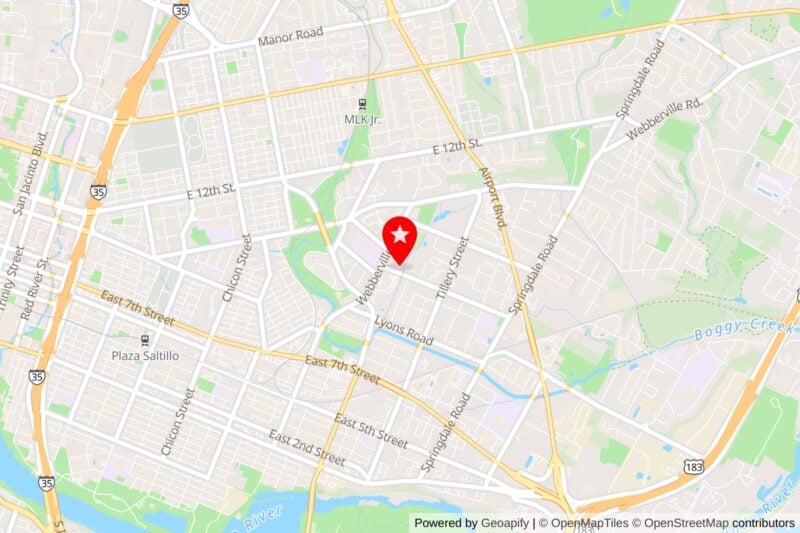
Austin Community College (ACC) Eastview Campus offers a range of programs designed to prepare students for careers in healthcare, including radiology technology. The campus provides resources and support throughout the educational journey, catering to both in-person and online learners.
ACC has a structured curriculum that includes hands-on training and theoretical knowledge. Students can benefit from up-to-date facilities and equipment, ensuring they gain relevant skills for the job market.
The campus is well connected, providing easy access to various resources for students. Registration support is available both on-campus and virtually, making it easier to enroll and navigate course selections.
ACC offers assistance with financial aid applications, scholarships, and payment plans, helping students manage the cost of their education. The institution emphasizes a supportive environment for those pursuing their academic and career goals.
Online Ratings: 4.5 (72 reviews)
Location: 3401 Webberville Rd, Austin, TX 78702
Contact: (512) 223-5100
Radiology & X-ray Tech Continuing Education

Radiology and X-ray technician continuing education plays a crucial role in keeping professionals updated with the latest advancements in medical imaging technology. Programs often focus on specialized areas, including MRI, CT scans, and ultrasound techniques. These courses are designed to enhance skills and knowledge essential for career advancement.
Many institutions offer various formats for continuing education, including online classes and in-person workshops. This flexibility allows professionals to balance their education with work commitments. The curriculum typically includes hands-on training and theoretical knowledge, responding to the evolving standards in the medical field.
Continuing education is vital for maintaining certification and licensure. It ensures radiology technicians are competent in the most current practices, which is essential in providing quality patient care. Additionally, these programs often encourage networking opportunities among peers in the field, fostering a sense of community.
Ultimately, the focus on continuous learning in radiology strengthens the overall quality of healthcare services. Professionals can pursue a variety of specialized certifications to expand their career options and elevate their expertise.
Online Ratings: 4.7 (214 reviews)
Location: 13801 Burnet Rd, Austin, TX 78727
Contact: (512) 532-6592
Overview of Radiology Technician Programs
Radiology technician programs are designed to equip students with the necessary skills for a career in medical imaging. Key aspects of these programs include accreditation, licensing requirements, typical coursework, and clinical training experiences.
Accreditation and Licensing
Accreditation is a crucial factor in radiology technician programs. Programs often seek accreditation from organizations such as the Joint Review Committee on Education in Radiologic Technology (JRCERT). This ensures that the curriculum meets industry standards.
To practice as a radiologic technologist, graduates must obtain licensure. Most states require passing the American Registry of Radiologic Technologists (ARRT) certification exam. Specific requirements may vary by state, including background checks or additional training, making it essential for students to familiarize themselves with local regulations.
Typical Coursework and Clinical Training
Students in radiology technician programs engage in a blend of theoretical coursework and clinical training. Typical subjects include anatomy, medical terminology, and imaging techniques.
Clinical training is integral, allowing students to gain hands-on experience in healthcare settings. Through internships or clinical placements, students work under supervision, applying their knowledge in real-world scenarios. This practical exposure is vital for developing proficiency in utilizing imaging equipment and understanding patient care protocols.
With an ongoing need for skilled radiologic technologists, many programs also emphasize advancements in imaging technology, ensuring that students are prepared for the evolving healthcare landscape.
Career Opportunities for Radiology Technicians
Radiology technicians play an essential role in the healthcare industry. Their expertise opens various career paths, particularly in hospitals, clinics, and specialized medical facilities. The following sections highlight employment outlook and specializations relevant to this profession.
Employment Outlook
The employment outlook for radiology technicians is favorable. According to the Bureau of Labor Statistics, employment for radiologic technologists is projected to grow by about 7% from 2021 to 2031, faster than the average for all occupations.
As of May 2023, there are approximately 221,170 radiologic technologists employed in the U.S. The average annual salary for this role is around $75,250, with entry-level positions starting at approximately $50,020. This growth is driven by an aging population requiring more medical imaging services, as well as advancements in imaging technology, including CT scans and MRIs.
Specializations Within Radiology
Radiology technicians can pursue various specializations to enhance their skills and career options. Some prominent areas of specialization include:
MRI Technologist: Focuses on magnetic resonance imaging, requiring specialized training.
CT Technologist: Specializes in computed tomography, often involved in emergency settings.
Radiation Therapist: Works with oncologists to administer radiation treatments for cancer patients.
Sonographer: Utilizes ultrasound technology for diagnostic imaging, commonly in obstetric and abdominal imaging.
By obtaining certifications in these specialties, technicians can increase their employment opportunities and potentially earn higher salaries. Each specialization has distinct requirements and training programs, so individuals should consider their interests and career goals when choosing a path.
Even in leading Austin medical centers, lapses in care may be considered medical malpractice.
Financial Aid and Scholarships
Financial aid options and scholarships are essential for students pursuing a career in radiology technology. Various avenues can help reduce educational expenses, including federal aid, institutional support, and private scholarships.
Types of Financial Aid
Students can access several types of financial aid to support their education.
Federal Aid: This includes grants such as the Pell Grant and federal loans. Students must complete the Free Application for Federal Student Aid (FAFSA) to determine eligibility.
State Aid: Many states offer financial assistance programs for residents. These can include grant programs and work-study opportunities.
Institutional Aid: Colleges and universities often provide scholarships based on merit or need.
Private Scholarships: Organizations such as professional associations and foundations offer scholarships specifically for radiology students. For example, the Royce Osborn Minority Student Scholarship awards $4,000 to outstanding minority students in related fields.
Assistantship Programs: Some institutions offer work opportunities within the department to offset tuition costs.
Application Process
The application process for financial aid varies by type.
FAFSA Submission: Completing the FAFSA is the first step. This form collects financial information to determine federal and state aid eligibility.
Scholarship Applications: Many private scholarships require separate applications. Applicants should research available scholarships and pay attention to deadlines.
Supporting Documents: Most applications require transcripts, letters of recommendation, and personal statements. Providing accurate documentation is crucial.
Interviews: Some scholarships may involve interviews. Preparing for this step can enhance chances of receiving awards.
Renewal Requirements: Many financial aid packages require students to maintain specific academic standards for renewal. Understanding these requirements is vital for continued support.
Students are encouraged to explore all available resources to maximize their financial assistance options.
Hastings Law Firm, Medical Malpractice Lawyers
4807 Spicewood Springs Rd Suite 1210 Building 1
Austin, TX 78759
512-813-9218
Related Articles
-
Local Massage Therapy Schools in Austin
-
Prominent Optometrists in Austin
-
Popular Cosmetic Surgeons in Austin
-
Local Sophrologists in Austin
-
Well-known Neonatal Intensive Care Units in Austin
-
Well-known Otologists in Austin
-
Popular Acupuncturists in Austin
-
Local Periodontal Centers in Austin
-
Popular Plastic Surgeons in Austin
-
Local Immunodermatologists in Austin
