


Local Toxicology Centers in Dallas
Written by: Hastings Law Firm | Last Updated: February 13, 2026
Toxicology centers play a critical role when someone is exposed to harmful substances, whether through accidental ingestion, workplace incidents, or environmental hazards. Dallas residents rely on these facilities for rapid assessment and treatment when poison exposure occurs. Toxicologists analyze symptoms, identify toxic agents, and guide treatment protocols that can make the difference between recovery and lasting harm. These centers handle everything from medication overdoses to chemical exposures, and their work requires precision and careful judgment.
Negligence happens in every healthcare setting, even well-regarded ones. When errors occur in toxicology care, the consequences can be severe. Hastings Law Firm, founded by board-certified trial attorney Tommy Hastings, has represented patients harmed by medical negligence, unsafe medical products, and dangerous pharmaceuticals across multiple states for over two decades. The firm handles cases involving toxicologist malpractice in Texas and understands the specialized nature of these claims. If you or a loved one were harmed by a toxicology center in Dallas, Hastings Law Firm is here to help.
Adult Toxicology Clinic – UT Southwestern
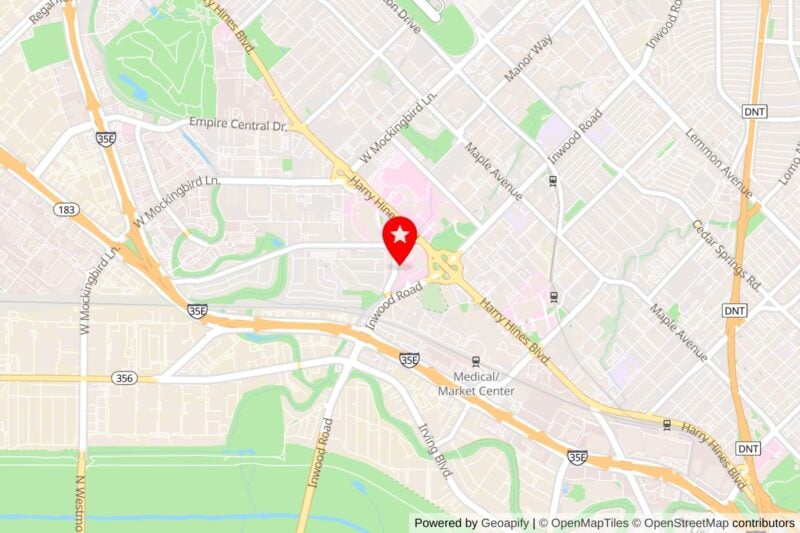
The Adult Toxicology Clinic at UT Southwestern provides specialized outpatient medical toxicology services. It is staffed by board-certified physicians experienced in managing chemical and toxin exposures. The clinic addresses a variety of cases involving pesticides, heavy metals, drugs, and industrial chemicals.
Patients can expect evidence-based evaluation, testing, and management tailored to their specific needs. The clinic handles a wide range of poison exposures, focusing on both immediate care and long-term health outcomes.
To facilitate patient engagement, UT Southwestern offers resources such as MyChart, enabling patients to communicate with their healthcare providers efficiently. This platform allows users to manage appointments, view test results, and request prescription refills.
The clinic’s operating hours can vary, and patients are encouraged to schedule appointments by contacting the clinic directly. They should arrive early and come prepared with the necessary documentation for a smooth visit.
Online Ratings: 4.7 (214 reviews)
Location: 1801 Inwood Rd 7th Floor, Dallas, TX 75390
Contact: (214) 590-1603
North Texas Poison Center
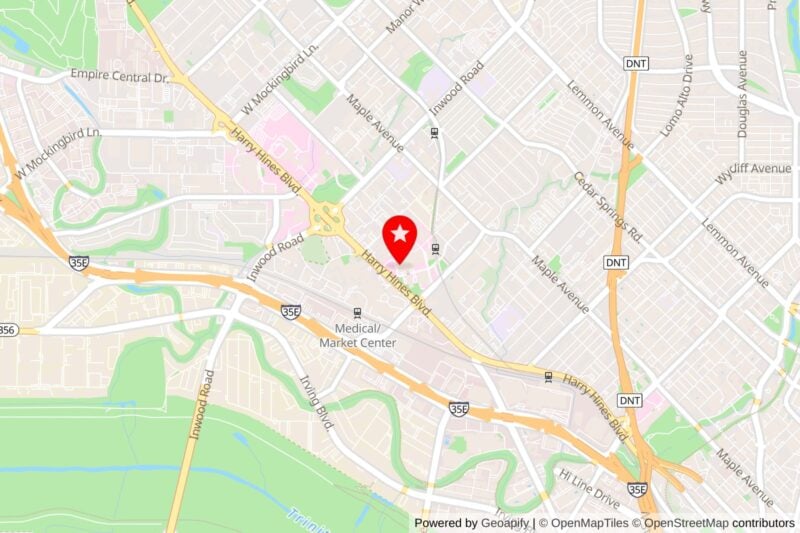
The North Texas Poison Center specializes in providing vital information and support regarding poison exposure and toxic substances. It serves the community through a comprehensive range of services, including emergency consultations and public education on poison prevention.
Staffed by trained professionals, the center operates a helpline that is available 24/7 for immediate assistance. This ensures that individuals can access critical support at any time.
The facility is dedicated to enhancing public awareness about the hazards associated with toxic substances. It conducts outreach programs and educational initiatives to inform the community about safety practices related to potentially harmful exposures.
The North Texas Poison Center is located in Dallas, Texas, and it is a crucial resource for residents in the area.
Online Ratings: 4.1 (18 reviews)
Location: 5201 Harry Hines Blvd, Dallas, TX 75235
Contact: (800) 222-1222
The Importance of Local Toxicology Centers
Local toxicology centers play a critical role in enhancing community health and providing essential support to medical professionals. They serve as vital resources for education and awareness, ensuring that toxicological knowledge is effectively disseminated.
Community Health and Safety
Local toxicology centers contribute significantly to community health by offering immediate assistance during poisoning incidents. They provide 24/7 access to expert toxicologists who can deliver crucial information and guidance for managing toxic exposure.
These centers often engage in toxicosurveillance activities that help identify emerging threats to public health. By tracking incidents and patterns of poisoning, they can alert public health officials and the community to potential dangers, such as chemical spills or hazardous substances.
Additionally, many toxicology centers participate in community outreach programs. They organize events and workshops to educate the public on safe practices, such as toxin prevention and response strategies. This proactive approach fosters a culture of safety and awareness within the community.
Resource for Medical Professionals
Local toxicology centers are essential collaborative partners for healthcare providers. They offer telephone consultation services, allowing physicians and emergency responders to access expert advice in real time. This support can be crucial when determining the appropriate treatment for patients experiencing poisoning or overdose.
Furthermore, these centers assist in research and provide training opportunities, enhancing the knowledge base of medical professionals. By sharing the latest guidelines and developments in toxicology, they ensure that healthcare providers are well-equipped to manage toxicological cases effectively.
Clinical toxicologists at these centers also contribute to local healthcare systems by participating in case studies and health initiatives. This collaboration enriches patient care and strengthens the network of healthcare resources available.
Educational Outreach
Educational outreach is a fundamental aspect of the mission of local toxicology centers. They develop programs tailored to different audiences, including schools, community organizations, and healthcare facilities, focusing on the prevention and treatment of poisoning.
Workshops and seminars may cover various topics, such as recognizing symptoms of poisoning, proper storage of chemicals, and emergency response protocols. Through these initiatives, toxicology centers help to equip individuals with the knowledge needed to act swiftly and effectively in emergencies.
Moreover, online resources and informational materials are often made available to enhance public understanding of toxicological issues. These efforts foster an informed community that understands how to minimize risks associated with toxic exposures.
Victims of medical malpractice in Dallas may have grounds to pursue a legal claim and seek compensation.
Services Offered by Toxicology Centers
Toxicology centers provide a range of critical services to address various health concerns related to exposure to toxic substances. These services include poison control assistance, forensic toxicology evaluations, and environmental testing.
Poison Control
Poison control is a primary service offered by toxicology centers. These centers operate 24/7, providing immediate access to expert advice in poisoning emergencies.
- Hotline Access: Individuals can call the national Poison Help hotline at 1-800-222-1222 to connect with local poison control specialists.
- Expert Consultation: Trained professionals offer information on the risks associated with various substances, potential symptoms, and appropriate treatment protocols.
- Education: Centers also offer educational resources to help the public understand how to prevent poisonings and manage accidental exposures effectively.
The collaboration among healthcare professionals ensures that the right information is available promptly.
Forensic Toxicology
Forensic toxicology services are essential for legal cases and investigations involving toxic substances. Centers often provide:
- Testing and Analysis: This includes the identification of drugs, alcohol, or other toxic substances in bodily fluids.
- Expert Witnesses: Specialists can serve as witnesses in court cases, providing explanations of toxicological findings.
- Case Consultation: They assist law enforcement and legal teams in evaluating cases that involve substance abuse or toxicity, ensuring the integrity of evidence handling.
This service plays a vital role in the justice system, helping clarify the circumstances of toxic exposure.
Environmental Testing
Environmental testing focuses on assessing chemical exposure in various environments. Services typically include:
- Sampling and Analysis: Centers conduct assessments of air, water, and soil samples to detect harmful substances.
- Risk Assessment: Experts analyze results to determine potential health risks to the community or individuals.
- Remediation Guidance: Recommendations may be provided to mitigate identified risks, focusing on safety and compliance with environmental standards.
These services address concerns about pollution and exposure in residential and occupational settings.
How to Choose the Right Toxicology Center
Selecting a toxicology center involves evaluating various factors that impact the care provided. Key considerations include certifications, the experience of the staff, and insights from patient reviews.
Certifications and Accreditations
When choosing a toxicology center, certifications and accreditations are critical indicators of quality. Look for centers that are accredited by recognized organizations, such as the American Academy of Clinical Toxicology (AACT), which signifies adherence to established standards in toxicology care.
Certification from the American Society of Health-System Pharmacists (ASHP) can also be beneficial, especially for facilities offering specialized services. These credentials ensure that the center meets rigorous requirements for education, training, and practice in toxicology.
Verify if the center participates in national quality improvement initiatives or monitoring programs. This involvement often reflects a commitment to maintaining high clinical standards and continually enhancing patient safety.
Experienced Staff
Assessing the experience of the staff at a toxicology center is essential. A multidisciplinary team comprising toxicologists, pharmacists, nurses, and emergency medicine specialists is preferable. Their collective expertise enables comprehensive care for poisoning or drug overdose cases.
It’s prudent to inquire about the staff’s qualifications and years of experience in the field. Centers with professionals who have completed specialized fellowships or have considerable clinical experience in toxicology are typically better equipped to handle complex cases.
Furthermore, factors such as ongoing training and participation in research or educational activities can indicate a commitment to staying updated with current practices and advancements in toxicology.
Patient Reviews
Patient reviews provide valuable insights into the quality of care a center offers. Online ratings can showcase overall satisfaction levels of past patients and can inform potential clients about their experiences.
Look for online reviews on platforms such as Google, Yelp, or specific health care review sites. Ratings should be noted, with Online Ratings reflecting patient satisfaction as of August 29, 2024.
Pay attention to comments focusing on staff interactions, response times, and the effectiveness of treatments. Positive feedback in these areas often indicates a patient-centered approach, which is crucial in handling potentially life-threatening situations.
Hastings Law Firm Medical Malpractice Attorneys
6060 N Central Expy Ste 575
Dallas, Texas 75206
972-449-9399
Related Articles
-
Recognized Hypnotherapists in Dallas
-
Prominent Occupational Therapy Centers in Dallas
-
Prominent Sleep Specialists in Dallas
-
Local Oculoplastic Surgeons in Dallas
-
Local Cosmetic Surgery Centers in Dallas
-
Well-known Pharmacologists in Dallas
-
Recognized Optometrists in Dallas for Comprehensive Eye Care
-
Prominent Urologists in Dallas
-
Prominent Osteopathic Physicians in Dallas
-
Local Urogynecologists in Dallas for Comprehensive Women’s Health Care
