


Local Oncologists in Dallas for Comprehensive Cancer Care
Written by: Hastings Law Firm | Last Updated: February 13, 2026
A cancer diagnosis changes everything. Dallas residents facing this challenge often turn to local oncologists for treatment that may include chemotherapy, radiation, surgery, or newer approaches like immunotherapy. The care these patients receive can span months or years, involving complex medication regimens, frequent appointments, and careful monitoring. Negligence happens in every healthcare setting, even well-regarded ones. When errors occur during cancer treatment, the consequences can be devastating.
Hastings Law Firm, founded by board-certified trial attorney Tommy Hastings, has represented patients harmed by medical negligence, unsafe medical products, and dangerous pharmaceuticals across multiple states for over two decades. The firm understands how oncologist malpractice in Texas can affect patients already fighting for their lives. If you or a loved one were harmed by an oncologist in Dallas, Hastings Law Firm is here to help.
A. David McCollum, M.D.
Dr. A. David McCollum is a highly qualified oncologist practicing in Dallas. He earned his B.B.A. from The University of Texas at Austin and his M.D. from The University of Southwestern Medical School. His extensive training includes serving as Chief Medicine Resident at U.T. Southwestern Medical Center and completing a fellowship in Hematology and Medical Oncology at the Dana-Farber Cancer Institute.
Dr. McCollum is affiliated with several prestigious medical organizations, such as the American Society of Clinical Oncology and the Texas Medical Association. His research contributions have been recognized, including a Merit Award from the American Society of Clinical Oncology in 2001.
He has published multiple articles in notable medical journals, focusing on innovative treatments and studies in oncology. His work has contributed to advancing understanding in areas such as gastric cancer and colorectal cancer.
Online Ratings as of August 29, 2024: 4.9 (32 reviews)
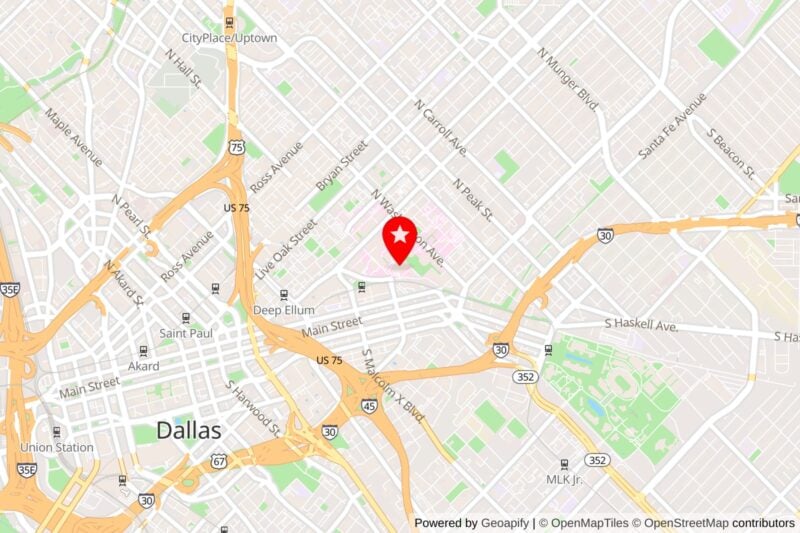
Location: 3410 Worth St STE 400, Dallas, TX 75246
Contact: (214) 370-1000
UT Southwestern Hematology/Oncology Department

UT Southwestern Hematology/Oncology Department is recognized for its contributions to cancer research and treatment. The team consists of experienced oncologists who focus on various cancer types, providing comprehensive care to patients. The department is part of a larger academic medical center that emphasizes advanced research and innovative therapies.
The facility is equipped with state-of-the-art technology and resources to support diagnosis and treatment. Patients have access to clinical trials, offering options that may not be available elsewhere. Collaborative research at UT Southwestern focuses on improving outcomes through discoveries in cellular biology and ongoing studies.
Physicians at this department contribute to a range of initiatives aimed at enhancing patient care. Their work in regenerative medicine and tissue repair impacts treatment approaches in oncology. This team of professionals strives to stay at the forefront of medical advancements, ensuring that patients receive effective and evidence-based treatments.
Online Rating: 4.3 (22 reviews)
Location: 6202 Harry Hines Blvd, Dallas, TX 75235
Contact: (214) 645-4673
Texas Oncology-Baylor Charles A. Sammons Cancer Center Gynecologic Oncology

Texas Oncology-Baylor Charles A. Sammons Cancer Center specializes in gynecologic oncology and provides extensive cancer care in an outpatient setting. The facility offers a range of services including chemotherapy and radiation therapy, all delivered by experienced healthcare professionals dedicated to patient care.
A multidisciplinary team collaborates to develop personalized treatment plans tailored to each patient’s unique needs. The center emphasizes treating the whole person, addressing not only the disease but also personal challenges that may arise during treatment.
Diagnostic imaging, laboratory services, and pharmacies are conveniently located nearby, facilitating a streamlined experience for patients. They focus on providing cutting-edge treatment options, taking into account the latest advancements in cancer care.
Medical records coordination is managed efficiently to ensure that patients have access to their information as needed.
Online Ratings: 5 (14 reviews)
Location: 3410 Worth St STE 400, Dallas, TX 75246
Contact: (214) 370-1300
Texas Oncology-Presbyterian Cancer Center Dallas

Texas Oncology-Presbyterian Cancer Center Dallas provides comprehensive care for individuals facing cancer. The facility offers a wide range of services, including chemotherapy and radiation therapy. Their team specializes in tailoring treatment plans to meet the specific needs of each patient.
The staff includes experienced medical oncologists and hematologists who focus on both cancer treatment and blood disorders. Besides medical care, the center emphasizes the importance of support, guiding patients through personal challenges associated with their conditions.
Conveniently located near diagnostic imaging and laboratory services, the center aims to make the treatment journey as manageable as possible for patients. Close collaboration among healthcare providers ensures that customized care is delivered effectively.
Access to supportive services and a knowledgeable team contributes to the overall care experience at Texas Oncology-Presbyterian Cancer Center.
Online Ratings: 4.1 (31 reviews)
Location: 8196 Walnut Hill Ln Suite 100, Dallas, TX 75231
Contact: (214) 739-4175
Vikas Bhushan, M.D.

Dr. Vikas Bhushan completed his medical education at Christian Medical College in Vellore, India. He furthered his training with a residency in Internal Medicine at the State University of New York at Stony Brook. Following this, he specialized in Medical Oncology through a fellowship at the Fred Hutchinson Cancer Research Center in Seattle.
He is affiliated with the American Society of Hematology and has held faculty positions at notable institutions, including the University of Washington and UTSW Medical Center in Dallas. His contributions to the field have been recognized with the Young Investigator Award from the American Society of Clinical Oncology.
Dr. Bhushan has been awarded significant research funding from the North Texas Leukemia Foundation and has been acknowledged by colleagues, being listed among “The Best Doctors in America.”
His practice is based in Dallas, where he continues to focus on oncology and patient care.
Online Ratings: 4.7 (50 reviews)
Location: 7777 Forest Ln suite d220, Dallas, TX 75230
Contact: (972) 566-7790
Choosing the Right Oncologist
Selecting an oncologist involves various significant factors and questions that can help ensure a suitable match for the patient’s needs. Knowing what to consider can facilitate informed decisions during this critical time.
Factors to Consider
When choosing an oncologist, several important factors come into play:
Specialization: Oncologists often specialize in specific cancer types or treatment methods. Understanding their expertise can align with the patient’s specific diagnosis.
Experience: The oncologist’s years of practice and number of similar cases treated are relevant. More experienced doctors may have encountered a variety of situations.
Location: Proximity to the oncologist’s office can affect convenience. Traveling long distances for appointments may be challenging during treatment.
Online Ratings: Many oncologists have ratings based on patient reviews. For instance, as of August 29, 2024, some oncologists in Dallas have received ratings ranging from 4.5 to 5.0 stars.
Hospital Affiliation: Consideration of the hospitals where the oncologist practices can be crucial. Some hospitals are recognized for particular cancer treatment programs.
Questions to Ask
A direct approach can facilitate a better understanding of the oncologist’s capabilities:
What is your treatment approach for my specific type of cancer? It’s important to know their methods and philosophies towards treatment.
How many similar cases have you treated? This provides insight into their experience with particular cancer types.
What support services do you provide? Information about available resources, such as nutritionists and counseling, can help the patient during treatment.
What are the potential side effects of the recommended treatments? Understanding possible outcomes prepares the patient for what to expect.
Can you provide references or patient testimonials? Hearing from former patients can offer additional perspectives on the oncologist’s care.
Common Types of Cancer Treated by Oncologists
Oncologists specialize in diagnosing and treating various forms of cancer. Some prominent types of cancer commonly managed by these medical professionals include breast cancer, lung cancer, and prostate cancer.
Even in leading Dallas medical centers, lapses in care may be considered medical malpractice.
Breast Cancer
Breast cancer is one of the most prevalent cancers among women. It can also affect men, though at a significantly lower rate. Oncologists employ several treatment options, such as:
- Surgery: Lumpectomy or mastectomy to remove cancerous tissues.
- Chemotherapy: This involves drugs to kill or slow the growth of cancer cells.
- Radiation Therapy: High-energy particles target and eliminate cancer cells.
Diagnosis typically includes mammograms, ultrasounds, and biopsies. Treatment plans depend on cancer type, stage, and individual patient health.
Lung Cancer
Lung cancer is distinguished by abnormal growth of cells in the lungs, which can spread to other parts of the body. Oncologists often use a combination of treatments, including:
- Surgery: To remove lung tumors.
- Chemotherapy: Systemic treatment targeting cancer cells.
- Targeted Therapy: Drugs that specifically attack cancer-related pathways.
Risk factors include smoking, exposure to pollutants, and genetic predisposition. Diagnosis involves imaging tests like CT scans and biopsies to determine the stage and type of lung cancer.
Prostate Cancer
Prostate cancer primarily affects men, particularly those over the age of 50. This cancer starts in the prostate gland and can vary greatly in aggressiveness. Treatments may consist of:
- Active Surveillance: Monitoring less aggressive forms without immediate treatment.
- Surgery: Prostatectomy to remove the prostate and some surrounding tissues.
- Radiation Therapy: Employed to kill cancer cells and shrink tumors.
Analysis includes PSA blood tests and biopsies to assess the cancer’s presence and aggressiveness. Treatment is tailored based on the stage and other health factors of the patient.
Hastings Law Firm Medical Malpractice Attorneys
6060 N Central Expy Ste 575
Dallas, Texas 75206
972-449-9399
Related Articles
-
Popular Clinical Trial Centers in Dallas
-
Nearby Hospitals in Dallas
-
Popular Rheumatology Centers in Dallas
-
Prominent Hydrotherapy Centers in Dallas
-
Recognized Endodontists in Dallas
-
Local Proctology Centers in Dallas
-
Well-known Bariatric Surgeons in Dallas
-
Local Urogynecologists in Dallas for Comprehensive Women’s Health Care
-
Popular Dental Schools in Dallas
-
Local Outpatient Surgery Centers in Dallas
