


Local Medical Centers in Austin
Written by: Hastings Law Firm | Last Updated: February 13, 2026
Medical centers handle everything from routine checkups to urgent care, serving as the first point of contact for many health concerns. Austin residents rely on these facilities for accessible, immediate treatment when their primary care provider isn’t available or when an unexpected illness or injury arises. Local medical centers fill an essential role in the community, offering a range of services without the wait times or costs associated with emergency rooms.
Negligence happens in every healthcare setting, even well-regarded ones. Hastings Law Firm, founded by board-certified trial attorney Tommy Hastings, has represented patients harmed by medical negligence, unsafe medical products, and dangerous pharmaceuticals across multiple states for over two decades. If you or a loved one were harmed by care received at a medical center in Austin, Hastings Law Firm is here to help.
St. David’s Medical Center
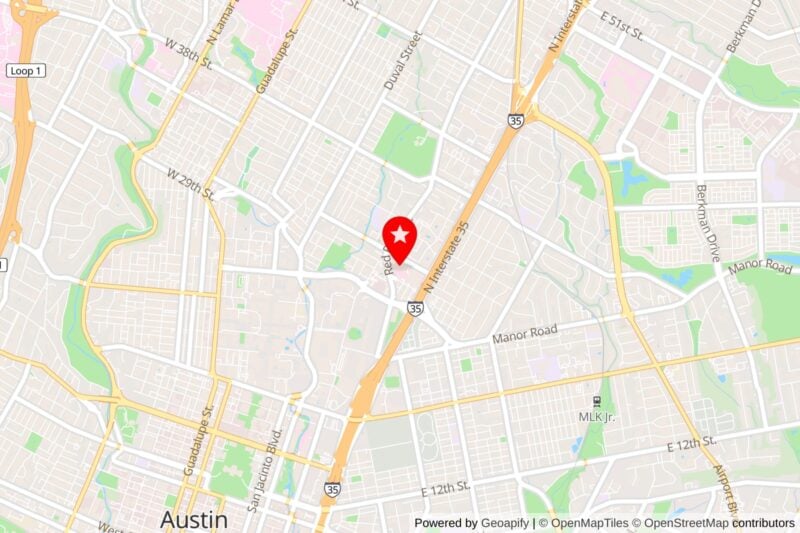
St. David’s Medical Center is a prominent healthcare facility located in Austin. It offers a range of comprehensive medical services, including a 371-bed acute care hospital and a 64-bed rehabilitation facility.
The center is equipped with advanced technology and specialized departments such as women’s care, emergency services, and surgical services. It features the largest Level IV Neonatal Intensive Care Unit in the region, serving high-risk infants.
Additionally, St. David’s Medical Center houses renowned institutes like the Texas Cardiac Arrhythmia Institute and the St. David’s Neuroscience & Spine Institute. These facilities provide cutting-edge treatment options for complex medical conditions.
St. David’s commitment to community health is evident in its patient-focused approach and dedication to high-quality care.
Online Ratings: 4.6 (4700 reviews)
Location: St David’s Medical Ctr, 919 E 32nd St, Austin, TX 78705
Contact: (512) 544-7111
St. David’s North Austin Medical Center
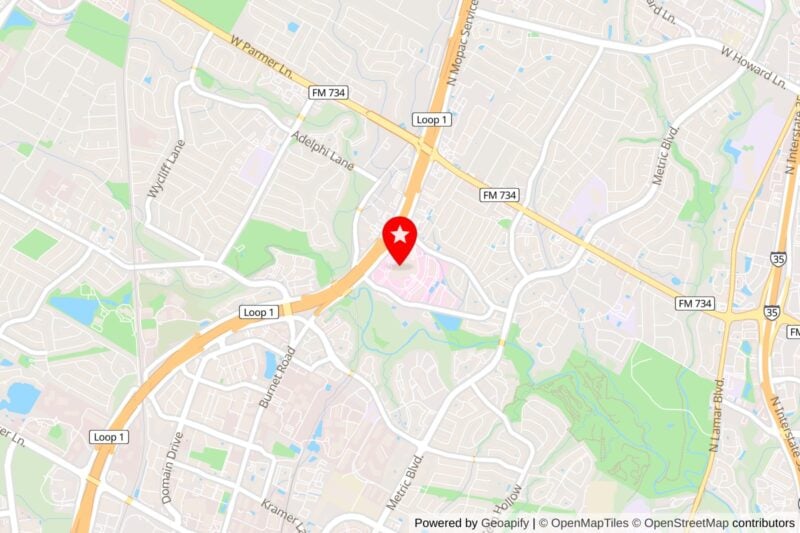
St. David’s North Austin Medical Center is a key healthcare provider in the Austin area. It offers a range of services, including emergency care, surgical procedures, and specialized programs for women and children.
The facility features a comprehensive array of medical services, such as inpatient and outpatient rehabilitation, minimally invasive surgery options, and a dedicated pediatric emergency department. Its commitment to patient care is evident in its various health specialties, including kidney transplant services and advanced surgical techniques.
With numerous medical facilities on its campus, this center provides convenient access to a wide range of healthcare needs. Their focus on community health ensures that residents receive care tailored to their specific needs.
As of August 29, 2024:
Online Ratings: 4.2 (3,400 reviews)
Location: St David’s North Austin Medical Ctr, 12221 N Mopac Expy, Austin, TX 78758
Contact: (512) 901-1000
St. David’s South Austin Medical Center
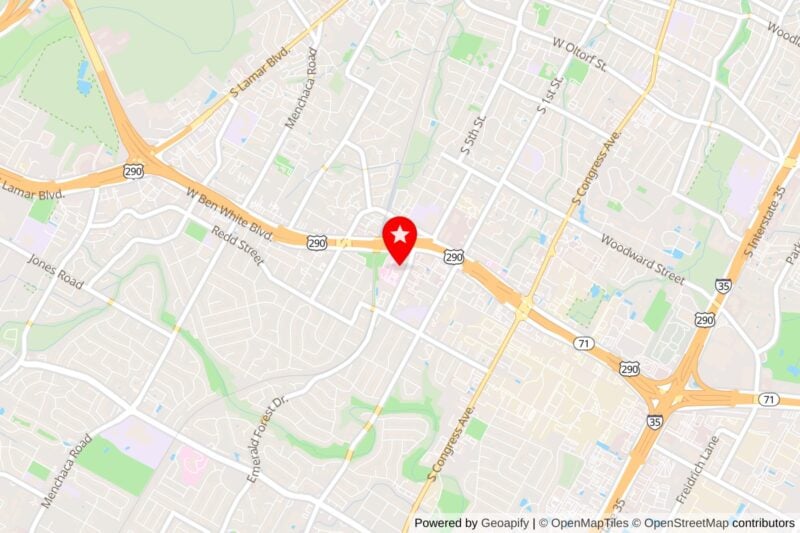
St. David’s South Austin Medical Center is an acute care facility known for a comprehensive range of medical services. The center features specialties including oncology and a unique Transplant and Cellular Therapy Program. It is equipped to provide critical care with its Level II Trauma Center.
The facility prioritizes patient-focused care and serves the South Austin community. Its offerings include a Shock Trauma Intensive Care Unit and various surgical services, including robotics for minimally invasive procedures.
Educational resources equip patients for visits regarding financial expectations, registration, and advance care planning. MyHealthONE, a digital tool, allows patients to manage health information efficiently.
Online Ratings: 4.3 (3600 reviews)
Location: St David’s South Austin Medical Center, 901 W Ben White Blvd, Austin, TX 78704
Contact: (512) 447-2211
Dell Seton Medical Center at The University of Texas
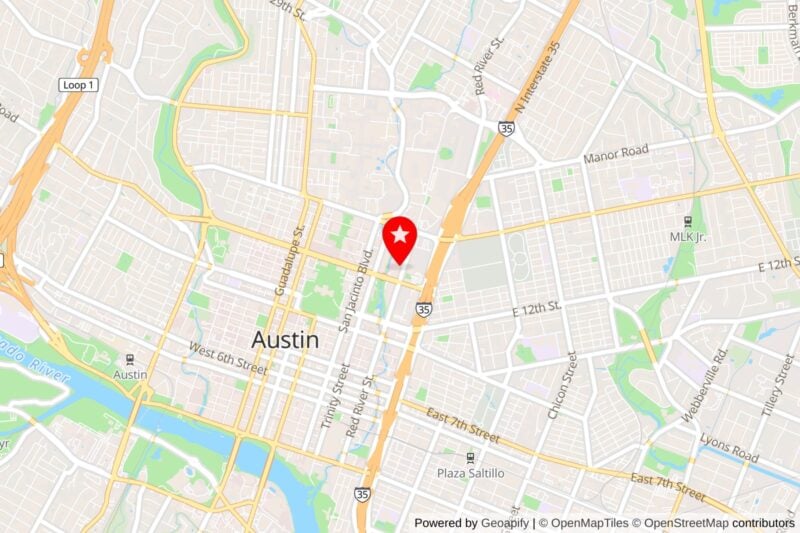
Dell Seton Medical Center serves as a full-service hospital in Austin, Texas. It is known for its 24/7 emergency care and functions as a level I trauma center for adults. The medical staff focuses on understanding patients’ health needs.
This medical center is recognized for its specialty care in areas such as heart and vascular health, stroke care, and neurorehabilitation. It has received accolades for advanced stroke care, highlighting its commitment to quality healthcare services.
The facility also features a dedicated neurocritical care unit, the first of its kind in Central Texas. This unit is equipped to handle complex neurologic conditions with the support of specialized medical teams.
Dell Seton offers a range of surgical services and minimally invasive procedures, improving patient recovery experiences.
Online Ratings: 3.5 (823 reviews)
Location: Dell Seton Medical Center at The University of Texas
Contact: (512) 324-7000
The Hospital at Westlake Medical Center

The Hospital at Westlake Medical Center is a physician-owned facility located in Austin, Texas. It offers a range of medical services, including urgent care, diagnostic procedures, and inpatient physical therapy. The hospital prides itself on patient satisfaction and maintains a focus on quality care in a comfortable setting.
The hospital features a modern emergency department that is designed to minimize wait times for patients. Its staff is equipped to handle various emergencies efficiently. In addition to urgent care, the hospital provides a comprehensive range of surgical services and advanced imaging technologies.
Patients at The Hospital at Westlake Medical Center receive personalized attention due to its smaller size and dedicated nursing staff. Each inpatient room is designed to offer comfort and privacy. The facility also emphasizes nutrition with premium dining options for its patients.
Online Ratings: 3.8 (123 reviews)
Location: The Hospital at Westlake Medical Ctr, 5656 Bee Caves Rd, West Lake Hills, TX 78746
Contact: (512) 327-0000
History of Medical Centers in Austin
The history of medical centers in Austin reflects a blend of early community-driven healthcare initiatives and modern advancements in medical technology and specialty care. This evolution showcases key milestones that have shaped the healthcare landscape in the city.
Early Developments
The foundation for Austin’s healthcare system began in 1884 with the establishment of Brackenridge Hospital, originally known as the City-County Hospital. This facility was the first public hospital in Texas, designed to serve the underserved populations in the area.
Initially housed in a two-story stone building, the hospital was a collaborative effort between the City of Austin and Travis County. The original construction cost was approximately $10,000. Over the years, Brackenridge evolved to meet community needs, becoming a crucial part of local healthcare.
In addition to Brackenridge, the early medical infrastructure included private practices and small clinics that catered to the growing population.
Modern Advances
The modern era of healthcare in Austin took a significant leap forward in the mid-20th century. The opening of the St. David’s Medical Center in 1955 marked a pivotal moment, providing advanced medical services and specialized care. This facility expanded its offerings over time, adapting to the evolving healthcare demands of the community.
The establishment of the Dell Children’s Medical Center further emphasized the city’s commitment to pediatric care and innovative medical practices. Both centers have contributed to Austin’s reputation as a healthcare innovation hub.
Today, Austin is recognized for its combination of traditional healthcare services and cutting-edge medical technology, fostering a landscape conducive to medical research and development.
Key Milestones
Several key milestones have defined the evolution of medical centers in Austin:
- 1884: Brackenridge Hospital established, becoming the first public hospital in Texas.
- 1955: St. David’s Medical Center opened, introducing modern healthcare to the community.
- 1990s: Expansion of specialty care facilities, including urgent care and pediatric services.
- 2000s: Development of research institutions and partnerships with universities like the University of Texas.
These milestones not only highlight the expansion of healthcare services but also underscore Austin’s ongoing commitment to improving community health through innovative practices and infrastructure development.
Healthcare Innovations
Austin has become a focal point for healthcare advancements, driven by its synergy between technology and medicine. The city hosts numerous organizations that contribute significantly to both technological innovations and research developments in healthcare.
Technological Advancements
Austin’s healthcare landscape is characterized by significant technological advancements aimed at improving patient care and operational efficiency. One notable example is the rise of telemedicine platforms, which have expanded access to healthcare services. Companies in the region are developing solutions that enable remote monitoring, virtual consultations, and improved patient engagement.
Additionally, data analytics is increasingly utilized to enhance clinical decision-making and patient outcomes. Integrating artificial intelligence into diagnostic processes allows for quicker and more accurate assessments. Various startups are focused on creating interoperable health record systems, ensuring seamless information flow among providers, which is crucial for coordinated care.
Victims of medical malpractice in Austin may have grounds to pursue a legal claim and seek compensation.
Research Contributions
Research contributions from Austin’s medical institutions play a pivotal role in advancing healthcare practices. The city is home to several prominent research centers that specialize in biomedical and healthcare research. Collaborations between academic institutions and healthcare companies facilitate groundbreaking studies in areas such as personalized medicine and biotechnology.
Institutions like The University of Texas at Austin are instrumental in fostering innovation through partnerships with local healthcare providers. Research initiatives often focus on chronic disease management, emphasizing evidence-based strategies for treatment and prevention. The commitment to research ensures that Austin remains at the forefront of healthcare developments, benefiting both local and national health landscapes.
Hastings Law Firm, Medical Malpractice Lawyers
4807 Spicewood Springs Rd Suite 1210 Building 1
Austin, TX 78759
512-813-9218
Related Articles
-
Prominent Dietitians in Austin
-
Well-known Internal Medicine Physicians in Austin
-
Nearby Pediatric Surgeons in Austin
-
Nearby Assisted Living Facilities in Austin
-
Local Orthodontists in Austin
-
Local Acupuncture Schools in Austin
-
Prominent Medical Waste Disposal Services in Austin
-
Prominent Obstetric Anesthesiologists in Austin
-
Local Surgeons in Austin and Their Areas of Specialization
-
Recognized Sports Medicine Clinics in Austin
