


Local Allergists in Dallas
Written by: Hastings Law Firm | Last Updated: February 13, 2026
Allergies affect millions of people, and Dallas residents know this all too well. Between cedar fever season, mold spores after heavy rains, and year-round triggers like dust and pet dander, many people here rely on allergists to diagnose and manage their symptoms. These specialists perform skin tests, prescribe medications, and administer immunotherapy treatments that can make a real difference in quality of life. Negligence happens in every healthcare setting, even well-regarded ones.
Hastings Law Firm, founded by board-certified trial attorney Tommy Hastings, has represented patients harmed by medical negligence, unsafe medical products, and dangerous pharmaceuticals across multiple states for over two decades. The firm understands how much trust patients place in their allergist care and the serious consequences when that trust is broken. If you or a loved one were harmed by an allergist in Dallas, Hastings Law Firm is here to help.
Park Lane Allergy and Asthma Center
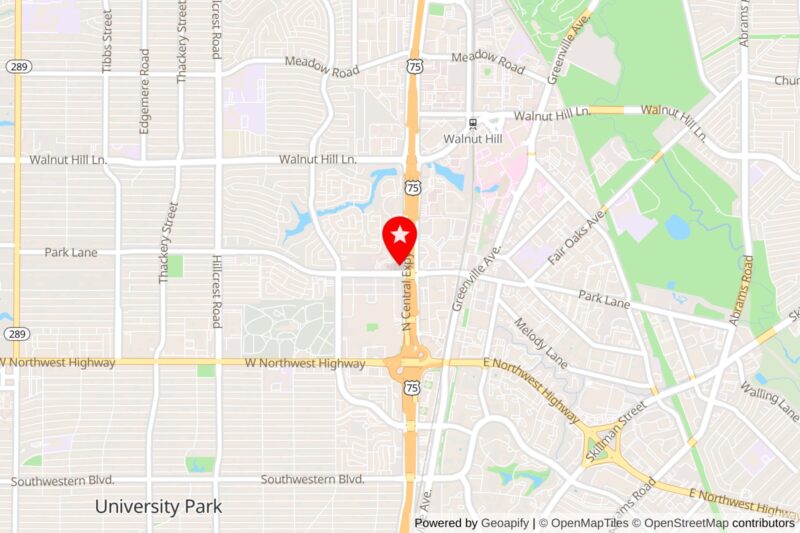
Park Lane Allergy and Asthma Center is a medical facility located in Dallas, Texas, specializing in allergy and asthma treatment. The center has multiple locations and offers a comprehensive range of services to address various allergic conditions.
Patients can book appointments through a partnership with Zocdoc, which simplifies the scheduling process. The practice collaborates with many insurance providers, accepting over 200 in-network plans. This flexibility is beneficial for patients seeking allergy care.
The center is staffed by experienced allergists who focus on personalized treatment plans. They aim to provide effective management of allergies and asthma, utilizing the latest medical practices and technologies.
Park Lane Allergy also hosts numerous available appointment slots, making it more accessible for potential patients.
Rating: 4.9 (271 reviews)
Location: 9101 N Central Expy #430, Dallas, TX 75225
Contact: (214) 363-8889
North Texas Allergy and Asthma Associates

North Texas Allergy and Asthma Associates specializes in diagnosing and treating a variety of allergic and asthmatic conditions. The team is committed to providing personalized care tailored to the needs of each patient.
The clinic is equipped with the latest technology to assist in comprehensive evaluations. This allows for effective management plans that can lead to improved patient outcomes. Their services encompass a wide range of allergy testing and treatment options.
Patients appreciate the accessibility of the facility, located in Dallas. The staff strives to create a welcoming environment for individuals seeking assistance with their allergies and asthma.
Online Ratings: 4.8 (134 reviews)
Location: 8210 Walnut Hill Ln Suite 810, Dallas, TX 75231
Contact: (214) 369-1901
Dallas Allergy And Asthma Center

Dallas Allergy and Asthma Center has been a medical resource in North Dallas for over 30 years. The center is staffed by board-certified allergists who also hold faculty positions at the University of Texas Southwestern Medical School. This connection enhances their commitment to training the next generation of medical professionals.
The team is dedicated to addressing allergy and asthma issues for both children and adults. They focus on thorough evaluations to create personalized treatment plans. This patient-centered approach aims to improve both physical and emotional well-being.
In addition to routine care, the center participates in clinical trials for asthma and allergy treatments. They seek participants for various studies, offering investigational medications and related exams at no cost.
The center emphasizes the importance of recognizing and managing allergy symptoms, especially during the spring season when pollen counts rise.
Online Ratings: 4.8 (138 reviews)
Location: 5499 Glen Lakes Dr # 100, Dallas, TX 75231
Contact: (214) 691-1330
North Texas Allergy and Asthma Associates

North Texas Allergy and Asthma Associates focuses on providing specialized care for patients with allergic conditions and asthma. The practice is committed to diagnosing and treating a range of allergies, including food, environmental, and chronic conditions.
With a team of experienced professionals, they emphasize personalized treatment plans tailored to individual patient needs. The facility is equipped to perform various diagnostic tests to identify specific allergens and develop effective management strategies.
Patient care extends beyond the clinic, as the practice prioritizes education about allergies and asthma management. This includes offering resources to help patients navigate their conditions day-to-day.
The practice’s commitment to patient satisfaction is evident in their attentive service and supportive environment.
Online Ratings: 4.9 (79 reviews)
Location: 3417 Gaston Ave Suite #760, Dallas, TX 75246
Contact: (214) 369-1907
Highland Park Allergy and Asthma Specialists
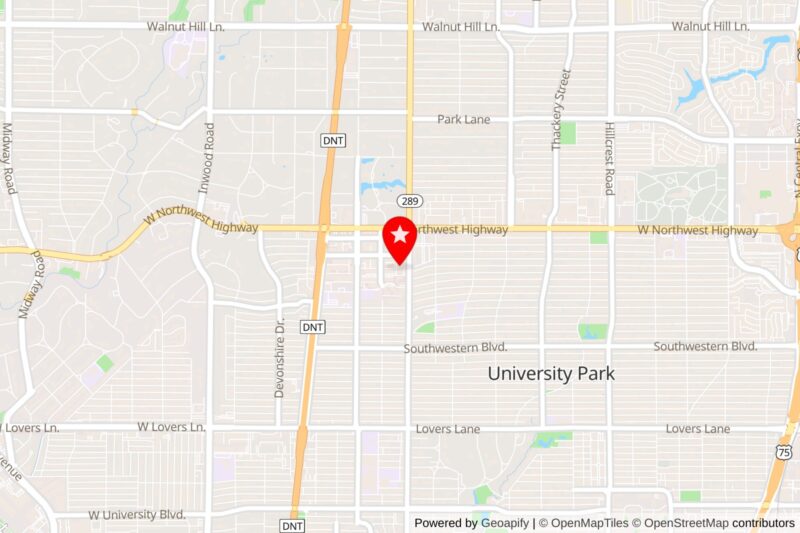
Highland Park Allergy and Asthma Specialists provides care in allergy and asthma management. The practice offers a range of services, focusing on helping patients manage individual needs related to respiratory health. They have partnerships with multiple insurance providers, making access to care more convenient.
The facility is equipped to accommodate various patient needs, ensuring a supportive environment. Online booking through their partnership with Zocdoc allows for easy scheduling of appointments. Patients have mentioned a high level of satisfaction with the ease of booking.
The office has garnered numerous positive reviews, highlighting its efficient service and knowledgeable staff. This reflects the commitment to patient care and overall health management.
Online Ratings: 4.9 (210 reviews)
Location: 8201 Preston Rd, Suite 275, Dallas, TX 75225
Contact: (469) 310-3681
Understanding Allergies
Allergies are immune system reactions to typically harmless substances, known as allergens. They can manifest in various forms, affecting individuals differently based on exposure and personal sensitivity.
What Are Allergies?
Allergies occur when the immune system mistakenly identifies a foreign substance as harmful. This triggers a response that can range from mild to severe. Common allergens include pollen, dust mites, mold, pet dander, and certain foods. When exposed, the body releases histamines and other chemicals, leading to symptoms. The frequency and intensity of allergic reactions can vary widely among individuals, influenced by genetics and environmental factors.
Common Allergens
Various allergens can trigger reactions in sensitive individuals. Some of the most prevalent include:
- Pollen: From trees, grasses, and weeds; often peaks in spring and fall.
- Dust Mites: Microscopic organisms found in household dust.
- Mold: Thrives in damp environments and can release spores into the air.
- Pet Dander: Small flakes from skin, hair, and saliva of furry pets.
- Foods: Commonly includes nuts, shellfish, dairy, and eggs.
Understanding these allergens can play a crucial role in both prevention and management strategies.
Symptoms of Allergies
Symptoms can vary widely, but common reactions include:
- Respiratory Issues: Sneezing, nasal congestion, and asthma exacerbations.
- Skin Reactions: Hives, eczema, and rashes.
- Digestive Problems: Nausea, vomiting, and diarrhea, particularly from food allergies.
- Eye Irritations: Itchy, watery eyes commonly associated with hay fever.
The severity of symptoms can differ based on individual tolerance and exposure levels. Identifying specific triggers is essential for effective management.
Allergy Testing and Diagnosis
Effective allergy testing and diagnosis are critical steps in managing allergy symptoms. Various testing methods are available to identify specific allergens, allowing for targeted treatment strategies. Additionally, selecting a qualified allergist ensures patients receive accurate diagnosis and the appropriate care.
Types of Allergy Tests
There are several common tests used to diagnose allergies, each serving a unique purpose.
Skin Prick Test: This involves placing small amounts of allergens on the skin’s surface and pricking it. A reaction indicates an allergy, typically measured by redness or swelling.
Skin Patch Test: Used for allergic contact dermatitis, this test involves placing allergens on patches applied to the skin for 48 hours, checking for a reaction.
Blood Tests: Specific IgE tests measure antibodies in response to certain allergens. This method is useful when skin tests cannot be performed due to medications or skin conditions.
Oral Food Challenge: Conducted under medical supervision, this test gradually introduces food allergens to determine if an allergy is present.
These methods help define the appropriate course of treatment based on individual allergy profiles.
Finding a Qualified Allergist
Selecting the right allergist is essential for accurate diagnosis and treatment. Patients should consider the following criteria:
Board Certification: Look for allergists certified by the American Board of Allergy and Immunology. This indicates specialized training in the field.
Experience: Consider allergists with significant experience in diagnosing and treating specific allergies, particularly those that align with the patient’s symptoms.
Facility Accreditation: Ensure the allergist’s practice is accredited and maintains a reputation for patient safety and care quality.
Patient Reviews: Checking online ratings can provide insight into patient satisfaction. As of August 29, 2024, it is advisable to review multiple platforms to get a comprehensive view.
By focusing on these factors, patients can ensure they choose an allergist who meets their needs for effective allergy testing and diagnosis.
Treatment Options for Allergies
Managing allergies often involves a combination of medical interventions and lifestyle changes. Various treatment options can help individuals alleviate symptoms and improve their quality of life.
Medications
Medications play a crucial role in the treatment of allergies. Common categories include:
- Antihistamines: These reduce symptoms such as sneezing and itching by blocking histamine, a substance the body releases during allergic reactions. Options include cetirizine and loratadine.
- Decongestants: These help relieve nasal congestion, improving airflow. Ingredients like pseudoephedrine are popular.
- Corticosteroids: Nasal sprays like fluticasone can reduce inflammation and swelling in the nasal passages.
- Leukotriene inhibitors: Medications like montelukast can also be effective in managing allergic rhinitis and asthma symptoms.
Each medication comes with potential side effects. Consulting with a healthcare provider is essential to determine the best options based on individual health profiles and specific allergies.
Immunotherapy
Immunotherapy aims to desensitize the immune system to allergens over time. This approach is typically available in two forms:
- Subcutaneous Immunotherapy (SCIT): Involves regular injections of allergens, gradually increasing the dosage to build tolerance. This treatment often spans several months to years.
- Sublingual Immunotherapy (SLIT): This method involves placing allergen extracts under the tongue. It can be more convenient and is often preferred for patients with a fear of needles.
Immunotherapy may lead to long-lasting relief even after treatment has concluded. It is essential to note that not all individuals are suitable candidates, so a thorough evaluation by an allergist is necessary.
Lifestyle Adjustments
Making lifestyle adjustments can significantly aid in managing allergy symptoms. Key strategies include:
- Avoiding Triggers: Identifying and avoiding substances that provoke allergic reactions, such as pollen or dust mites, can minimize symptoms.
- Air Quality Control: Using HEPA filters in homes and keeping windows closed during high pollen seasons can improve indoor air quality. Regular cleaning helps reduce allergens.
- Diet and Hydration: Maintaining a balanced diet and staying hydrated supports overall health, which can influence immune function.
Incorporating these adjustments can enhance the effectiveness of medical treatments and lead to improved allergy management.
If you’ve been injured by an allergist in Dallas, TX, contact the Hastings Law Firm.
Hastings Law Firm Medical Malpractice Attorneys
6060 N Central Expy Ste 575
Dallas, Texas 75206
972-449-9399
Related Articles
-
Popular Proctologists in Dallas
-
Local Phlebologists in Dallas
-
Nearby Neonatologists in Dallas
-
Recognized Medical Waste Disposal Services in Dallas for Safe and Compliant Practices
-
Well-known Gerontologists in Dallas for Specialized Care in Aging
-
Local Physical Therapy Schools in Dallas
-
Prominent Orthopedic Centers in Dallas
-
Prominent Cosmetic Dentists in Dallas
-
Nearby Hospitals in Dallas
-
Recognized Oncological Surgeons in Dallas
