


Well-known Transplant Surgeons in Phoenix
Written by: Hastings Law Firm | Last Updated: February 13, 2026
Transplant surgery represents one of the most complex procedures in modern medicine. For patients in Phoenix facing organ failure, a transplant can offer a second chance at life. The process involves careful evaluation, coordination between multiple medical teams, and months of follow-up care. Families place enormous trust in transplant surgeons and the hospitals where these procedures take place.
Negligence happens in every healthcare setting, even well-regarded ones. When errors occur during or after transplant surgery, the consequences can be devastating. Hastings Law Firm, founded by board-certified trial attorney Tommy Hastings, has represented patients harmed by medical negligence, unsafe medical products, and dangerous pharmaceuticals across multiple states for over two decades. If you or a loved one were harmed by a surgical error in Phoenix, Hastings Law Firm is here to help.
Banner – University Medicine Transplant Institute

Banner – University Medicine Transplant Institute provides specialized care for patients requiring organ transplants. It is situated within the Banner – University Medical Center Phoenix campus, giving patients access to advanced medical technologies and treatment techniques.
The institute focuses on various transplant services, including liver, kidney, pancreas, and lung transplants. Their team comprises specialists who collaborate to offer patient-centered care tailored to individual needs.
Patients can expect a comprehensive range of services, from complex surgeries to treatment for conditions like hepatitis C. The institute strives to improve the overall healthcare experience by providing educational resources and support.
This center emphasizes seamless communication between the transplant team and patients, ensuring clear guidance throughout the process.
Online Ratings: 3.2 (18 reviews)
Location: 1441 N 12th St, Phoenix, AZ 85006
Contact: (602) 521-5900
Scott Alexander, MD

Scott Alexander, MD, specializes in hair restoration and utilizes innovative techniques to achieve natural-looking results. His approach includes advanced methods such as follicular unit grafting and the lateral slit technique, allowing for precise hair placement and dense packing.
Dr. Alexander leads a team of Board Certified physicians, ensuring a high standard of patient care. The clinic emphasizes personalized consultations, where clients receive tailored advice based on digital evaluations.
He is recognized as a skilled surgeon in the field and is a member of the International Alliance of Hair Restoration Surgeons. His commitment to artistry in hair transplantation has earned him a notable reputation.
Patients often express satisfaction with the transformative results achieved through procedures like the ARTAS Robotic Hair Transplant. This minimally invasive option provides permanent solutions to hair loss without the common drawbacks of traditional methods.
Online Ratings: 4.4 (28 reviews)
Location: 2222 E Highland Ave #314, Phoenix, AZ 85016
Contact: (602) 956-8800
Dr. Lawrence J. Koep, MD
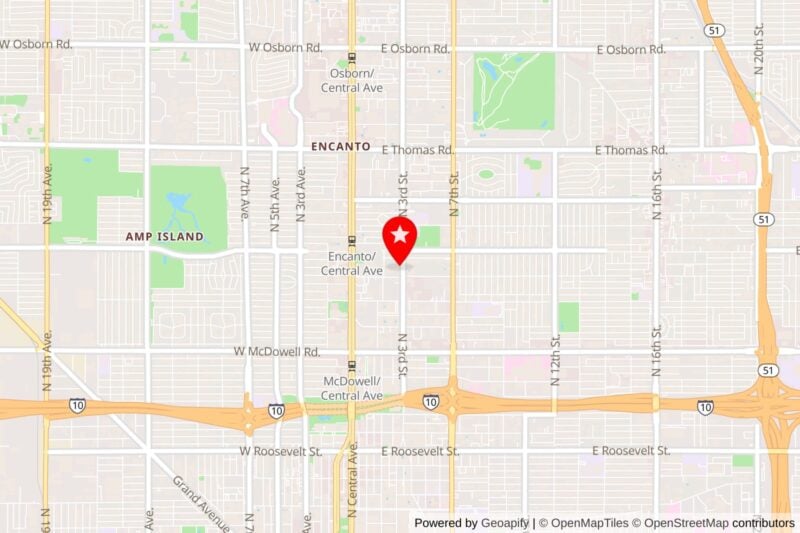
Dr. Lawrence J. Koep specializes in transplant surgery and is recognized within the Phoenix medical community. His expertise includes a range of transplant procedures, ensuring that patients receive comprehensive care tailored to their needs.
With years of experience, he has contributed significantly to advancing transplant techniques. His practice is dedicated to improving patient outcomes and enhancing recovery processes in transplant surgery.
Dr. Koep maintains a commitment to patient education, empowering individuals with knowledge about their treatment options. This approach fosters a collaborative environment where patients feel informed and supported throughout their journey.
Online Ratings: 4.3 (6 reviews)
Location: 2218 N 3rd St Ac, Phoenix, AZ 85004
Contact: (602) 252-2543
SJHMC Transplant Center
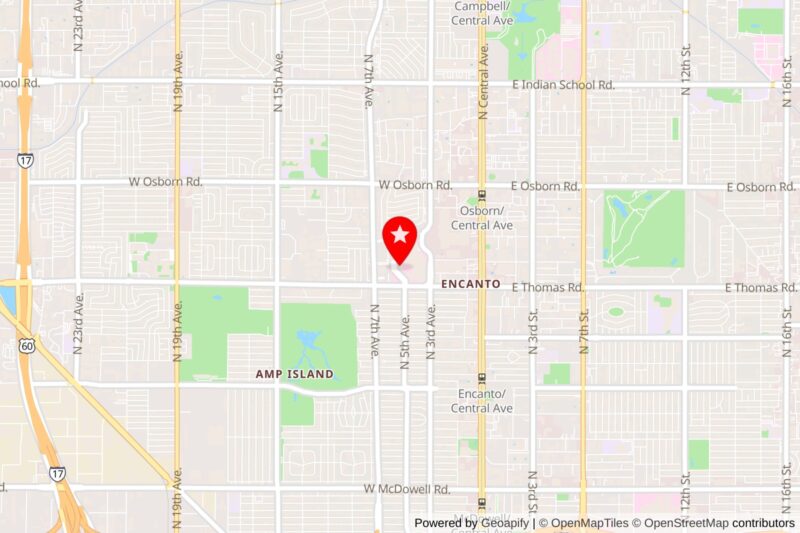
SJHMC Transplant Center specializes in providing comprehensive transplant services. Located in Phoenix, Arizona, the facility is part of a larger health network that focuses on advanced medical care. It offers a range of transplant options, including kidney and liver transplants.
The center is equipped with modern technology and staffed by experienced medical professionals. Their collaborative approach ensures that each patient receives personalized care throughout the transplant process. This commitment to quality is reflected in the thorough pre-operative assessments and ongoing post-transplant support provided.
Patient education is a crucial element of their services. The staff emphasizes the importance of understanding the transplant journey, including potential risks and lifestyle changes necessary for long-term success.
With a focus on innovation and patient outcomes, SJHMC Transplant Center continues to be a notable establishment in the field of transplantation.
Rating: 5 (1 review)
Location: 500 W Thomas Rd Ste 300, Phoenix, AZ 85013
Contact: (602) 406-8000
Overview of Transplant Surgery
Transplant surgery is a complex medical procedure that involves replacing a failing organ with a healthy one from a donor. This type of surgery can significantly enhance the quality of life for patients suffering from organ failure.
Types of Transplants
There are several types of transplants, each targeting specific organs. Common transplant types include:
- Kidney Transplant: This is the most frequent type, often performed on patients with chronic kidney disease.
- Liver Transplant: Conducted for patients with liver failure or severe liver diseases.
- Heart Transplant: Performed on individuals with end-stage heart disease.
- Lung Transplant: Suitable for those suffering from chronic lung diseases, such as COPD or cystic fibrosis.
Other transplants include pancreas, intestine, and multi-organ transplants. Each type has distinct procedures and requirements that vary based on the organ involved.
Eligibility Criteria
Eligibility for transplant surgery depends on multiple factors, which can include:
- Medical Condition: A patient must have a condition that significantly impairs organ function. For example, someone with end-stage renal disease may qualify for a kidney transplant.
- Age and Overall Health: Most transplant programs consider a patient’s age, general health, and ability to tolerate surgery.
- Psychological Evaluation: Mental health assessments are often required to ensure readiness for the challenges of surgery and post-operative care.
- Support System: A reliable support system post-transplant is crucial for recovery.
Meeting these criteria does not guarantee a transplant, as donor availability also impacts eligibility.
Pioneering Techniques in Transplant Surgery
Transplant surgery in Phoenix has seen significant advancements in both surgical methods and post-operative strategies. These innovations enhance patient outcomes and improve the overall transplant experience.
Innovative Surgical Methods
Surgeons are adopting minimally invasive techniques for various organ transplants. These methods reduce recovery times and hospital stays, translating to lower costs and improved patient comfort. Laparoscopic and robotic-assisted surgeries are among the leading approaches, allowing for smaller incisions and less trauma to surrounding tissues.
Living donor transplants are also gaining traction. This method permits the removal of organs from healthy individuals, significantly decreasing wait times for recipients. Surgeons utilize partial organ donations, notably in liver and kidney transplants, to maximize the number of available organs. Innovative approaches such as split-liver transplants enable one liver to support two recipients, reflecting ongoing advancements in surgical practices.
Post-Operative Care
Post-operative care plays a critical role in the success of transplant surgeries. Immunosuppression protocols have evolved, focusing on minimizing rejection while preventing infections. These protocols require careful monitoring and adjustment for each patient to achieve optimal results.
Patients receive comprehensive follow-up care, which includes regular assessments for organ function, medication management, and lifestyle recommendations. This multi-faceted approach aims to address potential complications early. Advanced technology and telemedicine also offer convenient monitoring options, ensuring patients remain connected with their medical teams, fostering better long-term health outcomes in the transplant population.
Victims of medical malpractice in Phoenix may have grounds to pursue a legal claim and seek compensation.
Understanding the Transplant Process
The transplant process involves multiple stages, each requiring careful attention and preparation. The initial consultation establishes the foundation, while pre-surgery preparations ensure the patient is ready for the procedure.
Initial Consultation
During the initial consultation, the transplant surgeon evaluates the patient’s medical history and overall health. The surgeon discusses the specific type of transplant needed, whether it is for the liver, kidney, or another organ.
Patients can expect a thorough examination and a discussion of potential risks and benefits associated with the procedure. This meeting often includes detailing the importance of lifestyle changes, such as diet and medication adherence, to improve surgery outcomes.
It is also a time for patients to ask questions and express any concerns. Education about the transplant process lays the groundwork for informed decision-making moving forward.
Pre-Surgery Preparations
Pre-surgery preparations are crucial for a successful transplantation. These steps may include additional tests like blood work, imaging studies, and possible consultations with other specialists. These assessments help determine the patient’s suitability for surgery.
Patients are typically advised to cease certain medications, such as blood thinners, prior to the procedure. This reduces the risk of complications during surgery.
Additionally, establishing a support system is important, as recovery often requires assistance. Patients may also receive guidelines for nutrition and physical activity to optimize their health ahead of the transplant. Preparation is essential for navigating the surgery and ensuring the best possible outcome.
Hastings Law Firm, Medical Malpractice Lawyers
4041 North Central Avenue Suite 565
Phoenix, AZ 85012-3330
602-726-4617
Related Articles
-
Prominent Cosmetic Dentists in Phoenix
-
Local Hypnotherapists in Phoenix
-
Popular Naturopathic Doctors in Phoenix and Their Areas of Expertise
-
Local Nursing Homes in Phoenix
-
Prominent Nutritionists in Phoenix
-
Well-known Plastic Surgery Centers in Phoenix
-
Local Chiropractors in Phoenix
-
Nearby Outpatient Surgery Centers in Phoenix
-
Local Trauma Centers in Phoenix
-
Recognized Cancer Treatment Centers in Phoenix