


Recognized Prosthetics Centers in Phoenix
Written by: Hastings Law Firm | Last Updated: March 15, 2026
Losing a limb or living with limb difference changes how you move through the world. Thousands of people in Phoenix rely on prosthetic devices to regain mobility, independence, and confidence in their daily lives. Finding the right prosthetics center means finding a place that understands fit, function, and the individual adjustments that make a real difference. The process involves careful measurement, custom fabrication, and ongoing care as your body and needs change over time.
Negligence happens in every healthcare setting, even well-regarded ones. A poorly fitted device, a missed adjustment, or a failure to address complications can cause serious harm. Hastings Law Firm, founded by board-certified trial attorney Tommy Hastings, represents patients harmed by medical negligence, unsafe medical products, and dangerous pharmaceuticals across multiple states for over two decades. If you or a loved one were harmed by a prosthetics provider in Phoenix, Hastings Law Firm is here to help.
Limb Specialists Ottobock.care Prosthetics
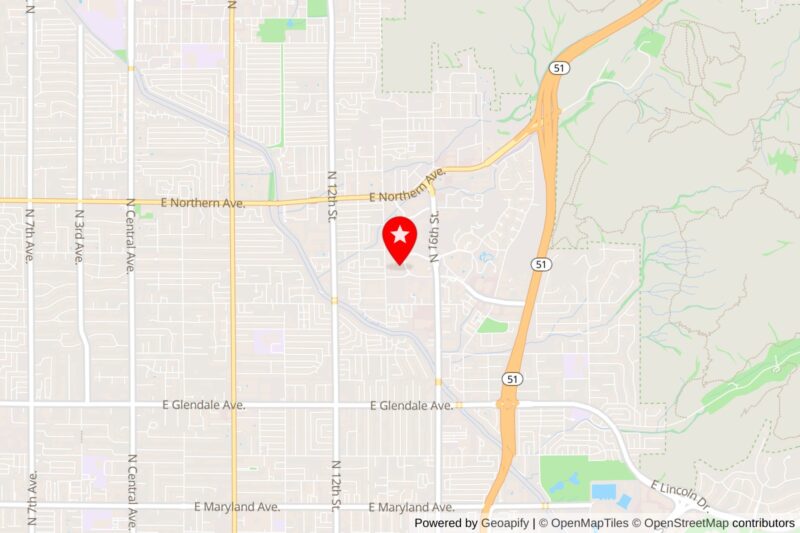
Limb Specialists Ottobock.care Prosthetics provides tailored solutions for individuals needing prosthetic care. The facility emphasizes a patient-centered approach to enhance user mobility and quality of life. They use advanced technology and materials to offer custom prosthetic devices.
Their team comprises experienced professionals dedicated to understanding each patient’s unique needs. This ensures that every prosthetic solution is specifically designed for comfort and functionality. The clinic is noted for its commitment to ongoing support and rehabilitation.
The center operates with a focus on innovation in prosthetic developments. This includes utilizing the latest in biomechanical research to improve device performance. Patients can expect a thorough evaluation and collaborative care throughout their journey.
Online Ratings: 4.6 (13 reviews)
Location: 7600 N 15th St #105, Phoenix, AZ 85020
Contact: (602) 745-2080
The Limb Center – Phoenix Office

The Limb Center operates a facility in Phoenix focused on advanced prosthetic solutions. It provides a range of services tailored to individual patient needs, ensuring personalized care at every step.
This center emphasizes the importance of high-quality materials and technology in creating prosthetics. Their team is dedicated to helping patients achieve better mobility and quality of life through customized fittings and ongoing support.
With a commitment to education, the staff often engages in community outreach. They aim to raise awareness about the capabilities of modern prosthetics and the importance of proper rehabilitation.
The center is known for its collaborative approach, working closely with patients, families, and healthcare providers to develop effective treatment plans.
Rating: 5 (18 reviews)
Location: 3020 N 44th St, Phoenix, AZ 85018
Contact: (602) 900-1733
Pongratz Orthotics & Prosthetics

Pongratz Orthotics & Prosthetics was established in 1997 by Joseph S. Pongratz. The center focuses on providing comprehensive care for individuals seeking to restore function and enhance their quality of life through advanced orthotic and prosthetic technologies.
They offer a wide variety of services, including customized prosthetics, pedorthic solutions, and specialized care for specific needs such as cranial banding and mastectomy. A commitment to patient-centered care emphasizes the importance of building long-term relationships with clients.
Pongratz Orthotics & Prosthetics has multiple locations throughout the Phoenix area and extends services as far as Tucson. This accessibility allows patients to receive care and consultations conveniently within the region.
Individuals frustrated with their current prosthetic solutions can request same-day appointments for second opinions. The team at Pongratz aims to provide personalized support tailored to each patient’s unique situation.
Rating: 3.5 (26 reviews)
Location: 730 N 52nd St #100, Phoenix, AZ 85008
Contact: (602) 222-3032
Hanger Clinic: Prosthetics & Orthotics

Hanger Clinic provides a range of prosthetic and orthotic services tailored for individuals of all ages. The clinic is committed to employing innovative technology and specialized training to enhance patient care.
The clinic operates with a dedicated team that is available around the clock for hospital inquiries. This ensures that patients receive essential support whenever needed, a critical factor for those in urgent situations.
Patients can expect a personalized approach, with staff focused on understanding individual needs. A free evaluation can be requested by calling the clinic, making it accessible for newcomers seeking assistance.
Hanger Clinic accepts various insurance plans, making it convenient for many patients to receive care without unnecessary financial stress.
Rating: 3.8 (112 reviews)
Location: 3816 N 7th St, Phoenix, AZ 85014
Contact: (602) 274-3625
Overview of Prosthetics
Prosthetics play a significant role in improving the quality of life for individuals with limb loss or disabilities. The evolution of prosthetic devices has led to a variety of options tailored to meet specific needs. Additionally, advancements in technology continue to enhance functionality and user experience.
Types of Prosthetic Devices
Prosthetic devices generally fall into four main categories:
- Transfemoral Prosthetics: Designed for those with above-knee amputations, these devices often incorporate advanced knee mechanisms for better mobility.
- Transtibial Prosthetics: These are used for below-knee amputations and typically feature lightweight materials and simple designs to enhance comfort and function.
- Upper Extremity Prosthetics: These prosthetics aid individuals with arm or hand loss. Options include passive devices for cosmetic purposes and myoelectric prostheses that respond to muscle signals.
- Cosmetic Prosthetics: Primarily focused on aesthetics, these devices do not provide functionality but are used for cosmetic purposes to match the natural limb.
Advancements in Prosthetic Technology
Recent innovations have significantly changed the landscape of prosthetics. Key advancements include:
- Smart Prosthetics: These devices utilize sensors and artificial intelligence to adapt to the user’s movements seamlessly.
- Lightweight Materials: Innovations in materials, such as carbon fiber and thermoplastics, have made prosthetics more durable and easier to wear.
- 3D Printing: This technology allows for customized prosthetic limbs tailored to individual needs, often at a lower cost.
- Biomimetic Designs: New designs aim to replicate natural limb movement more accurately, improving user comfort and mobility.
Such progress in prosthetic technology enhances the functionality and acceptance of these devices in daily life.
Benefits of Choosing Recognized Prosthetics Centers
Choosing recognized prosthetics centers offers significant advantages, particularly in terms of specialized skills and tailored solutions. These facilities ensure that patients receive top-quality care that addresses their specific needs and enhances their overall experience.
Expertise and Experience
Recognized prosthetics centers typically employ a team of skilled professionals, including prosthetists, occupational therapists, and support staff. Their collective experience is crucial for effective patient care.
These experts stay current with the latest advancements in technology and design. They possess extensive knowledge about various prosthetic options and their applications. This expertise enables them to guide patients through the selection process, ensuring that advancements in materials and techniques are utilized effectively.
Such centers often have certifications or accreditations that reflect their commitment to high standards in prosthetic care. Patients may find that professionals at recognized centers not only understand the technical aspects but also the emotional and psychological factors involved in adapting to a new prosthetic.
Customized Prosthetic Solutions
Patients at recognized prosthetics centers benefit from customized solutions designed to meet individual needs. Each prosthetic is tailored based on factors such as the patient’s activity level, lifestyle, and specific health conditions.
For instance, upper limb prosthetics can be adjusted for different types of grip and maneuverability, catering to an individual’s daily activities. Lower limb options may include variations that consider weight distribution and gait patterns.
Additionally, these centers often utilize advanced fitting techniques and technologies such as 3D scanning for precision. This customized approach enhances comfort and usability while fostering a smoother transition into using a prosthetic. Tailoring ensures that patients can engage in activities they enjoy, thus improving their quality of life.
Even in leading Phoenix medical centers, lapses in care may be considered medical malpractice.
Factors to Consider When Choosing a Prosthetic Center
Selecting a prosthetic center involves careful consideration of various elements. Key aspects include the facility’s accreditation, available patient support services, and ongoing care options after fitting.
Accreditation and Certification
Accreditation is essential when assessing a prosthetic center. A recognized center should hold certifications from relevant bodies, such as the American Association of Orthotics and Prosthetics (AAOP) or the National Commission on Orthotic and Prosthetic Education (NCOPE). These certifications indicate adherence to high standards of care and professionalism.
A certified center typically employs qualified specialists who have undergone rigorous training in prosthetics and orthotics. This ensures that patients receive appropriate, evidence-based treatment tailored to their unique needs. Checking a center’s accreditation status can provide reassurance regarding quality and safety.
Patient Support and Follow-Up Care
Comprehensive patient support is critical in the prosthetic journey. A quality center will offer services such as education on device use, fitting adjustments, and pain management strategies. This holistic approach helps patients adapt to their prosthetic and enhances overall satisfaction.
Follow-up care should not be overlooked. Regular evaluations ensure that the prosthetic fits correctly and meets changing patient needs. Look for centers that promote continuous communication and provide access to resources like counseling, physical therapy, or patient education workshops. Access to these services can significantly impact the effectiveness of the prosthetic and the patient’s quality of life.
Hastings Law Firm, Medical Malpractice Lawyers
4041 North Central Avenue Suite 565
Phoenix, AZ 85012-3330
602-726-4617
Related Articles
-
Prominent Epileptologists in Phoenix
-
Recognized Proctology Centers in Phoenix for Specialized Care
-
Recognized Neonatologists in Phoenix
-
Recognized Periodontal Centers in Phoenix
-
Well-known Anesthesiologists in Phoenix
-
Local Cosmetic Surgery Centers in Phoenix
-
Local Cosmetic Dental Centers in Phoenix
-
Well-known Internal Medicine Physicians in Phoenix
-
Recognized Dermatology Centers in Phoenix
-
Prominent Cosmetic Dentists in Phoenix
