


Recognized Medical Schools in Austin
Written by: Hastings Law Firm | Last Updated: February 13, 2026
Medical education shapes the future of healthcare, and Austin has become home to several recognized institutions training the next generation of physicians. Students pursuing their medical degrees in this city engage in rigorous coursework, clinical rotations, and hands-on training that prepares them for practice. The presence of teaching hospitals and affiliated clinics means that patients in Austin often receive care in settings where education and treatment intersect.
Negligence happens in every healthcare setting, even well-regarded ones. Whether care is delivered at a teaching hospital in Austin or another facility, patients trust that those treating them will meet accepted standards of care. Hastings Law Firm, founded by board-certified trial attorney Tommy Hastings, represents patients harmed by medical negligence, unsafe medical products, and dangerous pharmaceuticals across multiple states for over two decades.
If you or a loved one were harmed by medical negligence at a teaching hospital or medical school facility in Austin, Hastings Law Firm is here to help.
University of St. Augustine for Health Sciences

The University of St. Augustine for Health Sciences offers graduate programs specializing in occupational therapy, physical therapy, and speech-language pathology. The Austin campus is situated in a vibrant city known for its dynamic culture and outdoor activities.
Students can choose from various formats, including residential and flexible options for their Master of Occupational Therapy and Doctor of Occupational Therapy programs. The Doctor of Physical Therapy program prepares students for clinical practice, focusing on a wide range of patient care.
The institution emphasizes hands-on experience through clinical partnerships within the Austin area. These partnerships provide valuable opportunities for students to gain real-world experience in numerous healthcare settings.
The MS-SLP program is designed to be immersive and provide mentorship by experienced clinicians. The supportive environment encourages collaboration and professional growth among students.
Online Ratings: 4.8 (40 reviews)
Location: 5401 La Crosse Ave, Austin, TX 78739
Contact: (800) 241-1027
Dell Medical School – Health Discovery Building
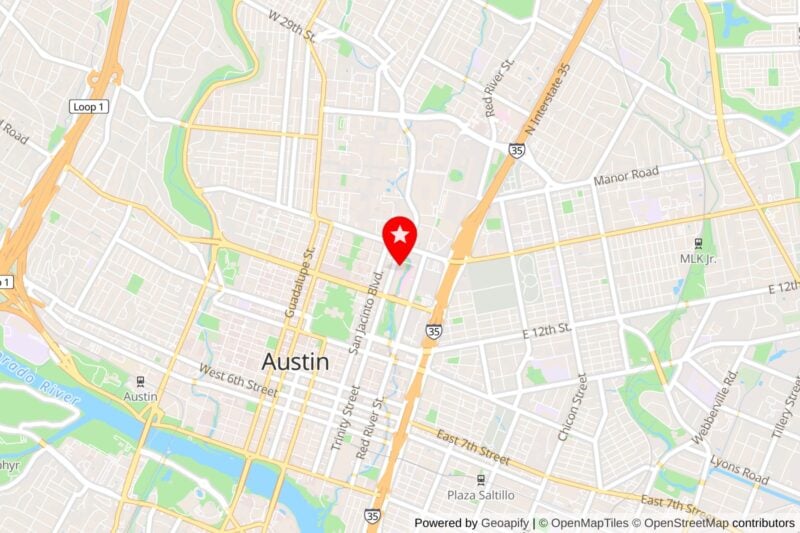
Dell Medical School focuses on addressing contemporary challenges in health and medicine through a distinctive curriculum. This approach prepares physician leaders who are equipped to meet the evolving needs of the healthcare landscape.
The Health Discovery Building is a central facility within the medical school, fostering an environment of innovation and collaboration. The design of the building emphasizes the integration of education, research, and community engagement.
Students at Dell Medical benefit from a curriculum that encourages problem-solving and critical thinking. This educational framework aims to develop not just clinical skills but also a comprehensive understanding of health systems and patient care.
The institution’s commitment to advancing healthcare extends beyond the classroom. Dell Medical School actively engages in community health initiatives, further enhancing its role in shaping the future of medicine.
Online Ratings: 4.9 (22 reviews)
Location: 1601 Trinity St bldg b, Austin, TX 78701
Contact: (512) 495-5555
Dell Medical School – Health Learning Building

Dell Medical School is part of a transformative approach to medical education, focusing on preparing physician leaders for contemporary challenges in health care. Its curriculum emphasizes innovative problem-solving and leadership in medicine.
The Health Learning Building serves as a central hub for students and faculty. It is designed to foster collaboration and interactive learning through state-of-the-art facilities and resources.
This institution is committed to addressing the complexities of modern health systems. By integrating comprehensive education with practical experience, it aims to equip students for future roles in a rapidly evolving medical landscape.
The school’s approach helps cultivate a new generation of medical professionals, ready to tackle pressing health issues. Dell Medical School is recognized for its unique educational model that blends academic rigor with real-world application.
Online Ratings: 4.2 (10 reviews)
Location: 1501 Red River St, Austin, TX 78712
Contact: (512) 495-5555
Texas Health and Science University — Austin
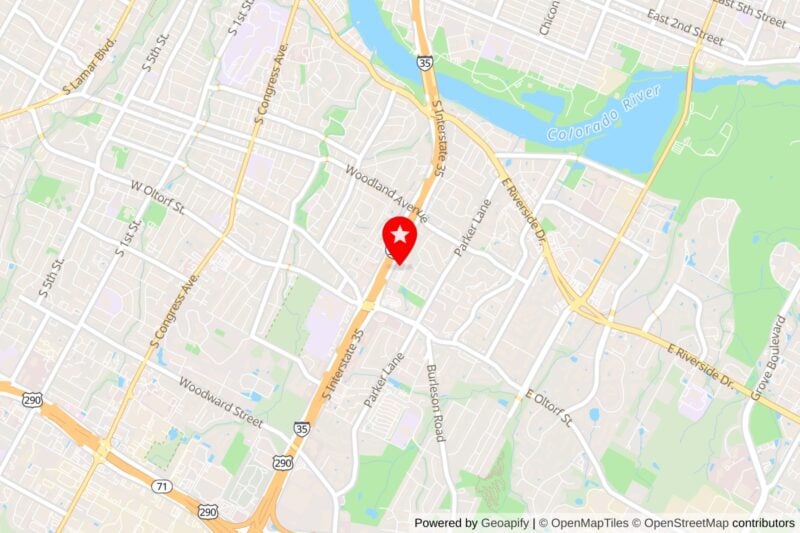
Texas Health and Science University focuses on Traditional Chinese Medicine, incorporating it as a central element of its curriculum. The institution is designed to follow the educational frameworks of renowned TCM schools from China. This provides students with a robust foundation based on the study of essential TCM texts.
The university emphasizes practical training alongside academic study. The THSU Intern Clinic offers students the chance to apply their skills in acupuncture while serving the community. This clinic addresses various health concerns, including pain relief, stress management, and sports injuries.
Located in Austin, Texas Health and Science University serves as a significant resource for those pursuing education in alternative medicine.
Online Rating: 4.6 (25 reviews)
Location: 2015 S I-35 Frontage Rd Suite 250, Austin, TX 78741
Contact: (512) 444-8082
Overview of Medical Education in Austin
Austin is home to several reputable medical schools that contribute significantly to the healthcare landscape. These institutions focus on training skilled professionals to meet the demands of the evolving medical field.
History and Development
Medical education in Austin has evolved considerably over the past few decades. The Dell Medical School at The University of Texas at Austin opened its doors in 2016, aiming to prepare graduates for contemporary healthcare challenges. This program is distinct for its innovative curriculum, which includes an emphasis on interdisciplinary education and real-world experience.
The development of medical education has been driven by a growing population and the increasing complexity of healthcare. The commitment to improving healthcare outcomes has led to partnerships with local hospitals and community organizations, further enhancing practical training opportunities for students.
Accreditation and Standards
Accreditation plays a vital role in ensuring that medical education programs maintain high standards. The Liaison Committee on Medical Education (LCME) fully accredited Dell Medical School in February 2020 for a five-year term. This accreditation reflects the balance between student enrollment and institutional resources, including faculty and facilities.
In addition to Dell Medical School, other institutions in Austin adhere to strict accreditation standards. All programs must demonstrate compliance with educational guidelines to ensure that graduates are well-prepared for residency and future medical practice. This focus on quality fosters confidence in the competency of new healthcare providers emerging from the region.
Specializations and Programs
The medical schools in Austin offer a range of specializations and programs tailored to meet diverse educational and professional goals. This includes undergraduate medical education, graduate and postgraduate opportunities, and various research initiatives.
Victims of medical malpractice in Austin may have grounds to pursue a legal claim and seek compensation.
Undergraduate Medical Programs
The Dell Medical School provides an innovative undergraduate medical program emphasizing active learning and clinical exposure. Students engage in a curriculum that integrates basic sciences with patient care from the start.
Key elements include:
- Problem-Based Learning: Encourages collaborative and critical thinking.
- Clinical Rotations: Early rotation opportunities in various specialties.
- Focus Areas: Special attention on primary care, mental health, and population health.
This approach aims to cultivate future physicians equipped to address complex health issues.
Graduate and Postgraduate Studies
Graduate programs in Austin include advanced specialties such as a Master of Acupuncture and Oriental Medicine. This program requires the completion of extensive coursework, including:
- Acupuncture (66.5 Credits): 804 hours of practical training.
- Herbal Medicine (45 Credits): 558 hours focused on the therapeutic applications of herbs.
- Biomedicine (42 Credits): 504 hours covering foundational medical science.
Postgraduate studies often extend through residency programs that provide hands-on experience in various medical fields, emphasizing evidence-based and patient-centered practices.
Research Opportunities
Austin’s medical schools prioritize research, offering numerous opportunities for students and faculty. Dell Medical School, for instance, engages in projects addressing critical healthcare challenges.
Research focuses include:
- Clinical Trials: Involvement in groundbreaking drug and treatment studies.
- Health Policy Research: Analysis of healthcare systems and policies to improve patient outcomes.
- Community Health Initiatives: Studies aimed at understanding and addressing public health needs.
Collaborations with local hospitals and research institutions enhance the practical application of findings, benefiting both the academic community and the population at large.
Community and Campus Life
The community and campus life at Austin’s recognized medical schools provide vital resources and interactions for students. Opportunities for engagement through organizations complement academic pursuits and foster a supportive environment.
Student Organizations and Activities
Student organizations at medical schools in Austin play a crucial role in enhancing student experience. Various groups are available, focusing on interests such as public health, specialty-specific interests, and advocacy.
Examples include:
- American Medical Association (AMA): Focuses on leadership and advocacy training.
- Surgery Interest Group: Offers networking and learning opportunities related to surgical specialties.
These organizations often host events, workshops, and community outreach initiatives that encourage collaboration among peers while building skills. Students are also encouraged to participate in interprofessional activities, promoting teamwork across disciplines.
Campus Facilities
Austin’s medical schools feature modern facilities designed to support both education and research. Classrooms often incorporate advanced technology to enhance learning experiences. Simulation labs provide students with hands-on practice in a controlled setting, improving clinical skills.
Moreover, access to resources such as libraries, study lounges, and research centers fosters a conducive learning environment. Key facilities include:
- Dell Medical School’s Simulation Center: A state-of-the-art environment for practical training.
- Baylor College of Medicine Libraries: Extensive collections and study resources for self-directed learning.
These facilities aim to support student development and facilitate collaboration, ensuring that students are well-prepared for their future careers in healthcare.
Hastings Law Firm, Medical Malpractice Lawyers
4807 Spicewood Springs Rd Suite 1210 Building 1
Austin, TX 78759
512-813-9218
Related Articles
-
Popular Plastic Surgeons in Austin
-
Well-known Transplant Surgeons in Austin
-
Well-known Urogynecologists in Austin
-
Local Podiatrists in Austin
-
Local Audiologists in Austin
-
Local Reflexologists in Austin
-
Local Physiatrists in Austin
-
Recognized Bariatric Surgeons in Austin
-
Local Mammography Centers in Austin
-
Local Pharmacies in Austin