


Nearby Neurotologists in Houston
Written by: Hastings Law Firm | Last Updated: February 13, 2026
Neurotologists treat some of the most delicate and complex conditions affecting the ear and skull base. These specialists handle everything from chronic ear infections and hearing loss to dizziness, balance disorders, and tumors of the auditory nerve. In Houston, patients with these conditions often see neurotologists after standard treatments have not worked or when surgery becomes necessary. The work requires precision, and outcomes can significantly affect quality of life.
Negligence happens in every healthcare setting, even well-regarded ones. Medical errors can occur during diagnosis, surgery, or follow-up care, and the consequences can be serious. Hastings Law Firm, founded by board-certified trial attorney Tommy Hastings, has represented patients harmed by medical negligence, unsafe medical products, and dangerous pharmaceuticals across multiple states for over two decades. Those who experience complications or ENT-related malpractice in Texas may face long-term challenges that demand attention and accountability.
If you or a loved one were harmed by a neurotologist in Houston, Hastings Law Firm is here to help.
CY Joseph Chang, MD, FACS
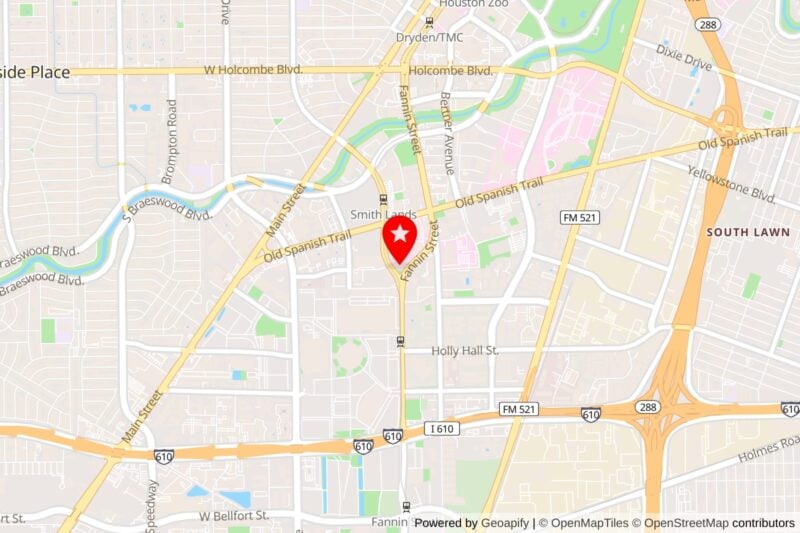
Dr. C. Y. Joseph Chang is a Neurotologist and director of the Texas Ear Center, which is part of Texas ENT Specialists. He specializes in advanced surgical procedures for the ear and tumors of the skull base. His expertise positions him as a prominent figure in the Houston medical community.
Patients seeking specialized ear care can find a range of services under his direction. His clinic focuses on comprehensive evaluations and treatment plans tailored to individual needs.
Dr. Chang’s team is dedicated to providing effective solutions for complex ear conditions. The facility is equipped to handle various surgical and non-surgical interventions, ensuring high standards of patient care.
For more information or to schedule an appointment, patients are encouraged to reach out directly.
Online Ratings: 4.7 (237 reviews)
Location: 7900 Fannin St Suite 1800, Houston, TX 77054
Contact: (713) 791-9363
Nader Marc-Elie MD
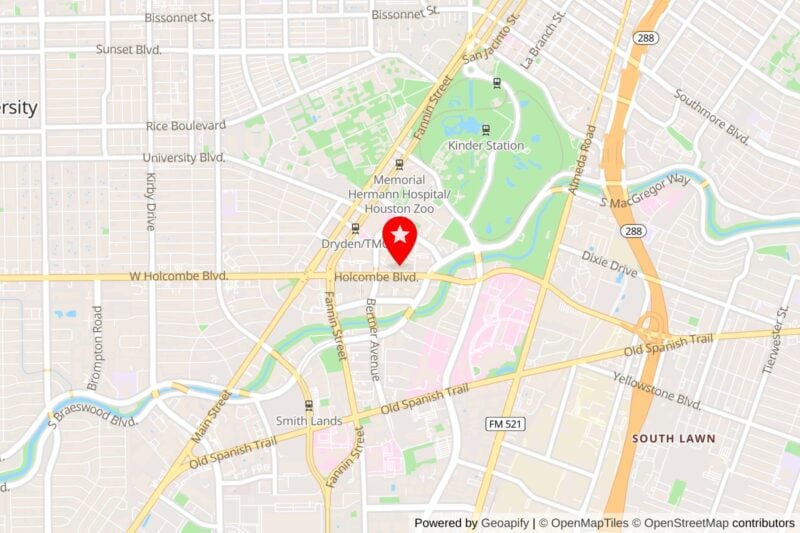
Dr. Nader Marc-Elie is an Associate Professor specializing in Otology and Neurotology at The University of Texas MD Anderson Cancer Center. He completed his medical degree at McGill University in 2007. Following this, he finished his residency in Otolaryngology – Head and Neck Surgery in 2012 at the University of Montreal.
In 2014, Dr. Nader completed a two-year fellowship training focused on Otology, Neurotology, and Skull Base Surgery. This training was conducted through both the Baylor College of Medicine and the MD Anderson Cancer Center.
Dr. Nader’s expertise includes advanced surgical techniques for conditions affecting the ears and skull base. His work contributes to a comprehensive understanding of complex cases in neurotology.
Patients may find access to clinical trials for new treatments through his practice. The facility prides itself on a commitment to innovative medical solutions.
Online Ratings: 5 (3 reviews)
Location: 1515 Holcombe Blvd, Houston, TX 77030
Contact: (713) 792-6525
Jeffrey T. Vrabec, MD
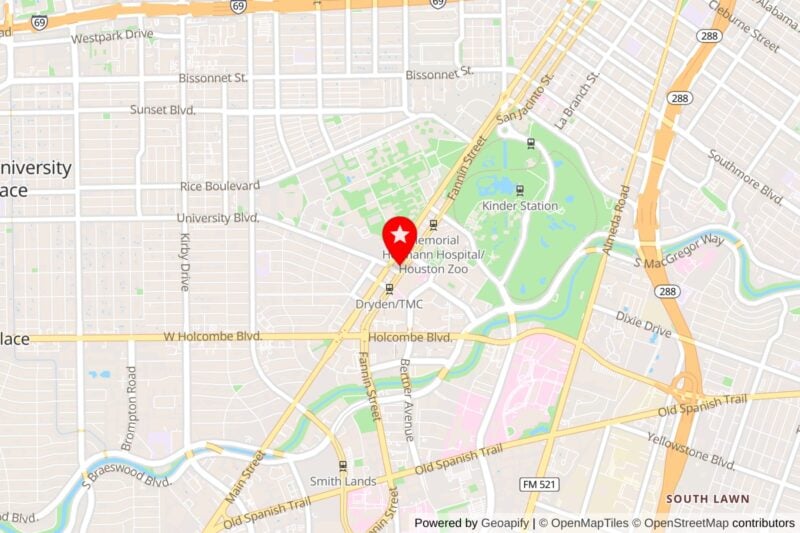
Jeffrey T. Vrabec, MD, specializes in neurotology and is affiliated with Houston Methodist Hospital. His expertise includes managing complex ear conditions and skull base disorders. Dr. Vrabec is known for employing advanced techniques in otologic surgery.
He provides comprehensive evaluations and treatments tailored to each patient’s needs. His practice focuses on both surgical and non-surgical options, ensuring a holistic approach to care.
Dr. Vrabec is committed to staying updated with the latest advancements in his field, contributing to improved patient outcomes. His collaborative approach includes working with other specialists to provide well-rounded care.
Online Ratings: 4 (8 reviews)
Location: 6550 Fannin St Floor 17, Houston, TX 77030
Contact: (713) 441-1368
Daniel J. Franklin, MD, FACS
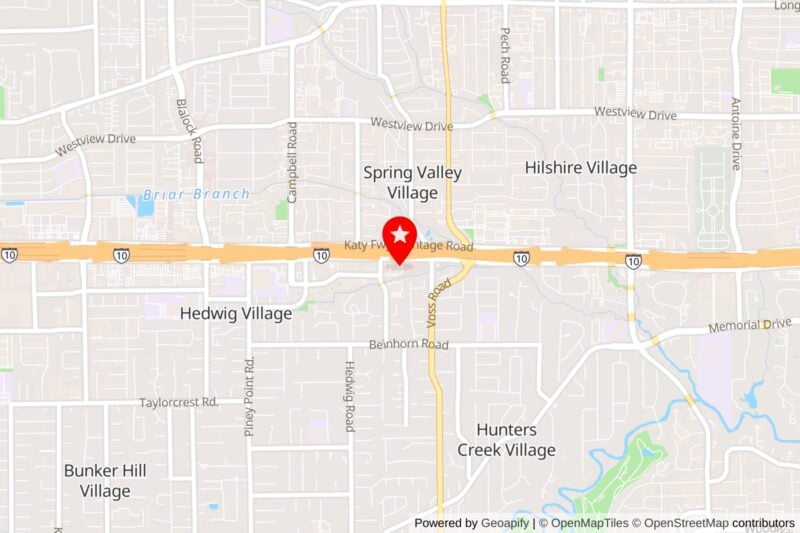
Daniel J. Franklin is a board-certified neurotologist specializing in ear conditions, hearing disorders, and skull base surgery. He has a notable background, including a degree in Biomedical Engineering and extensive training in General Surgery and Otolaryngology at Baylor College of Medicine.
Dr. Franklin has authored numerous scholarly articles and has taught internationally on disorders related to hearing and ear surgery. He has been practicing since 1995 and joined Texas Ear, Nose & Throat Specialists in 2017.
His expertise encompasses various conditions, including hearing loss, ear infections, and allergy-related issues. He also provides comprehensive services related to sinus health and sleep disorders.
With his focus on both children and adults, Dr. Franklin takes a holistic approach to patient care, combining medical and surgical interventions.
Online Ratings: 4.9 (326 reviews)
Location: 8731 Katy Fwy #200, Houston, TX 77024
Contact: (832) 678-8333
Understanding Neurotology
Neurotology is a specialized branch of medicine that focuses on the complex relationship between the ear and the brain. This section elaborates on its definition, the conditions treated by neurotologists, and the distinction between neurotologists and otologists.
What Is Neurotology?
Neurotology is a subspecialty of otolaryngology that addresses disorders of the inner ear and conditions affecting balance and hearing when neurological factors are involved. Neurotologists are trained to diagnose and manage issues like tinnitus, hearing loss, and vestibular disorders.
The field encompasses surgical and nonsurgical treatments. Procedures may include cochlear implants, vestibular rehabilitation, and various types of ear surgery. Neurotologists aim to improve patients’ quality of life by effectively treating conditions that hinder proper auditory and vestibular functions.
Conditions Treated by Neurotologists
Neurotologists manage a range of conditions affecting the ear and balance system. Common issues include:
- Tinnitus: Ringing or buzzing in the ears that can be caused by various factors.
- Hearing Loss: Including conductive, sensorineural, and mixed hearing loss.
- Vestibular Disorders: Such as Meniere’s disease and vestibular neuritis.
- Acoustic Neuromas: Non-cancerous tumors on the vestibulocochlear nerve that can affect hearing and balance.
Patients may experience significant symptoms that impact daily life, such as dizziness, imbalance, or auditory challenges. Neurotologists utilize diagnostic tools like audiometry and imaging to tailor treatment for each individual.
Differences Between Neurotologists and Otologists
Neurotologists and otologists both specialize in ear-related disorders, but their focus areas differ.
Neurotologists primarily deal with conditions affected by neurological factors, integrating otological treatment with neurological evaluation. They often perform complex surgeries and manage diseases related to the brain and ear.
Otologists, on the other hand, focus more on the ear and its structures without the neurological emphasis. Their work often involves treating infections, trauma, and other general ear conditions.
Understanding these distinctions helps patients choose the right specialist for their specific needs in addressing ear and balance issues.
Consultation and Diagnosis
When visiting a neurotologist, understanding the consultation and diagnosis process is essential. This section delves into preparing for appointments, the diagnostic procedures typically used, and common symptoms that necessitate a visit.
Preparing for Your Appointment
To make the most of the appointment, patients should prepare thoroughly. It is helpful to keep a detailed symptom journal that includes the duration and intensity of symptoms.
Key preparations include:
- Bringing a list of medications, including supplements and allergies.
- Noting family medical history, particularly any neurological conditions.
- Considering specific questions for the neurotologist regarding symptoms and treatment options.
Patients should also call ahead to confirm any necessary paperwork, insurance details, and to ascertain if prior imaging studies need to be brought along.
Diagnostic Procedures
Neurotologists utilize a variety of diagnostic procedures to assess neurological conditions. Common methods include:
- Imaging Tests: MRI and CT scans help visualize brain structure and identify abnormalities.
- Electrophysiological Tests: EEGs measure electrical activity in the brain, useful for diagnosing seizures and other disturbances.
- Lab Tests: Blood tests may be conducted to rule out infections, autoimmune diseases, or nutritional deficiencies.
These procedures are crucial for accurate diagnosis and often guide the treatment plan.
Common Symptoms and When to See a Neurotologist
Recognizing when to consult a neurotologist is important for timely care. Symptoms may include:
- Persistent headaches that differ from usual patterns.
- Sudden changes in vision, hearing, or balance.
- Unexplained memory loss or cognitive difficulty.
If these symptoms appear, especially if they worsen or are accompanied by confusion or coordination problems, scheduling an appointment is advisable. Early intervention can influence outcomes significantly.
Understanding your rights after suffering from medical malpractice in Houston is an important first step toward recovery.
Treatment Options
Neurotologists in Houston offer a range of treatment options tailored to individual patient needs. These options include medical management, surgical interventions, and rehabilitation and follow-up care.
Medical Management
Medical management focuses on the use of medications to alleviate symptoms and address underlying conditions. Common medications may include corticosteroids to reduce inflammation, antibiotics for infections, and diuretics for fluid management.
Patients may also receive medications to manage associated symptoms such as dizziness or tinnitus. Regular monitoring and follow-up appointments are essential to assess the effectiveness of treatment and make necessary adjustments. Education about the condition and medication adherence plays a vital role in achieving optimal results.
Surgical Interventions
Surgical interventions are considered when medical management is insufficient. Procedures may vary based on the specific diagnosis and can include tympanoplasty, stapedectomy, or cochlear implantation.
Neurotologists assess the risks and benefits tailored to each patient’s situation. Surgical options aim to restore hearing, reduce vertigo, or address structural issues in the ear. Post-operative care includes monitoring for complications and ensuring proper healing.
Rehabilitation and Follow-Up Care
Rehabilitation involves tailored therapy programs to support recovery after medical or surgical interventions. This may include vestibular rehabilitation for balance issues or auditory rehabilitation to improve hearing function.
Follow-up care is crucial to track progress and modify treatment plans as needed. Patients are encouraged to communicate any ongoing issues or concerns during follow-up visits. Accurate reporting allows neurotologists to optimize recovery strategies effectively.
Hastings Law Firm, Medical Malpractice Lawyers
2200 North Loop W #118
Houston, TX 77018-1753
346-245-5495
Related Articles
-
Well-Known Acupuncturists in Houston
-
Prominent Spine Surgeons in Houston
-
Nearby Urgent Care Centers in Houston for Convenient Medical Care
-
Local Oculoplastic Surgeons in Houston
-
Well-known Colorectal Surgeons in Houston
-
Well-known Cosmetic Surgery Centers in Houston
-
Recognized Family Medicine Centers in Houston
-
Nearby Integrative Medicine Practitioners in Houston
-
Recognized Neonatologists in Houston
-
Well-known Medical Schools in Houston