


Nearby Neuropathologists in Dallas
Written by: Hastings Law Firm | Last Updated: February 13, 2026
Neurological conditions require specialized diagnosis and treatment, and neuropathologists play a critical role in identifying diseases of the nervous system through careful analysis of tissue samples and lab work. Dallas has medical facilities that rely on these specialists to help guide treatment decisions for patients facing complex brain and spinal cord conditions. When something goes wrong with a diagnosis or the interpretation of test results, the consequences can be severe.
Negligence happens in every healthcare setting, even well-regarded ones. Hastings Law Firm, founded by board-certified trial attorney Tommy Hastings, has represented patients harmed by medical negligence, unsafe medical products, and dangerous pharmaceuticals across multiple states for over two decades. Errors in neurologist care and related specialties can alter the course of treatment and affect long-term outcomes.
If you or a loved one were harmed by a neuropathologist in Dallas, Hastings Law Firm is here to help.
Neurological Associates of North Texas: Sharisse Stephenson, MD
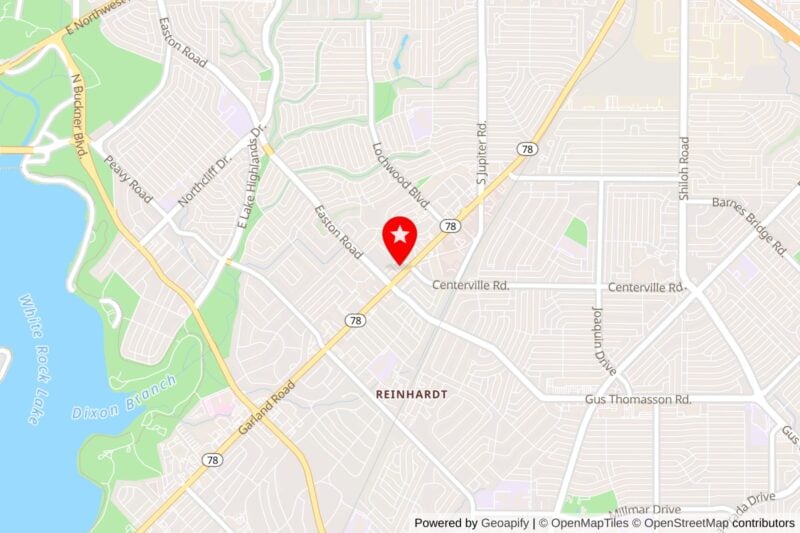
Sharisse Stephenson, MD, operates at Neurological Associates of North Texas in Dallas. The practice focuses on addressing a wide range of neurological conditions, including migraines, multiple sclerosis, and movement disorders such as Parkinson’s disease. Dr. Stephenson utilizes advanced neurological testing combined with personalized patient assessment.
She emphasizes the importance of listening to patients, which aids in understanding their unique symptoms and experiences. This approach aims to improve diagnostic accuracy and treatment outcomes, offering patients comprehensive care tailored to their needs.
Dr. Stephenson is a Board Certified Headache Specialist and Brain Injury Medicine Specialist. Her educational background includes a medical degree from the University of Pittsburgh and postgraduate training in neurological disorders and stroke management at Tufts University.
New patients are welcomed with an emphasis on reducing stress and anxiety during their initial visits. They are provided with the option to complete necessary forms at home before their appointments.
Online Ratings: 4.7 (269 reviews)
Location: 10611 Garland Rd # 201, Dallas, TX 75218
Contact: (214) 324-9301
RHBNeuro
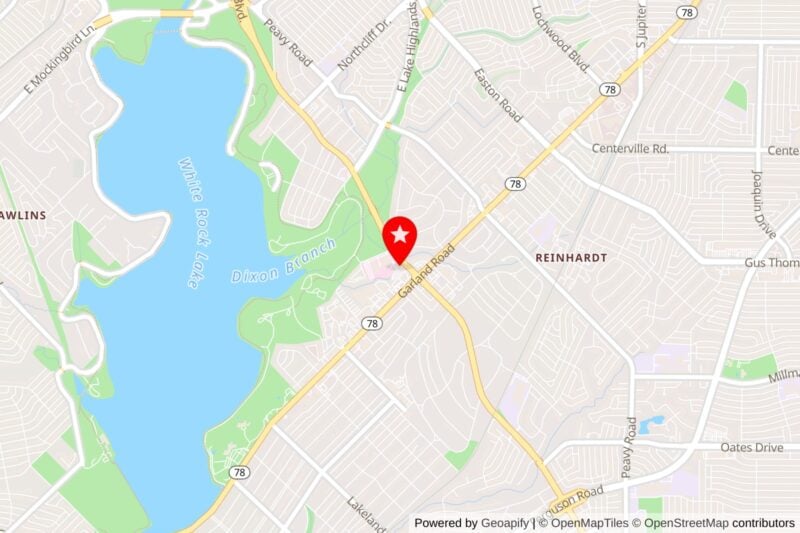
RHBNeuro specializes in neurological medicine and offers advanced care for various conditions. The facility focuses on disorders such as epilepsy, dementia, neuropathy, and migraines. They aim to provide quality service by employing the latest advancements in the field.
Patients can access care through both in-person and virtual appointments. RHBNeuro accepts a range of insurance plans, making it accessible for many potential patients. This commitment to convenience is reflected in their approach to patient engagement and scheduling.
The facility is dedicated to conditions like stroke prevention and balance issues. Their clinicians work to push the boundaries of traditional neurological treatments, ensuring effective management of complex cases.
Online Ratings: 4.7 (107 reviews)
Location: 1151 N Buckner Blvd # 406, Dallas, TX 75218
Contact: (972) 423-0977
Adnan Subei, DO: Neurology Consultants of Dallas Multiple Sclerosis Specialist
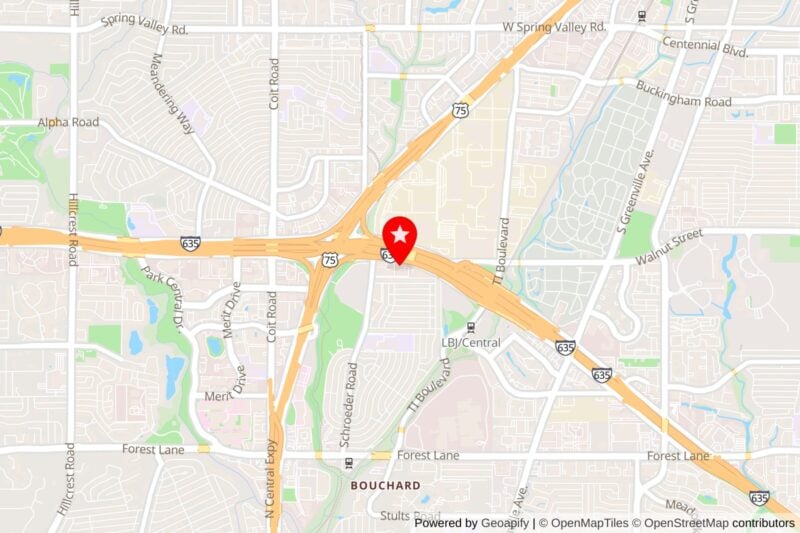
Dr. Adnan Subei is a board-certified neurologist with a focus on neuro-immunology, particularly in the area of multiple sclerosis (MS). He has dedicated his career to managing and treating autoimmune diseases affecting the central nervous system. With years of experience, he actively supports patients on their journeys with MS.
His education includes a doctorate in osteopathic medicine and fellowships in neuro-visual disorders and neuro-immunology at reputable institutions. His background allows him to provide comprehensive care tailored to individual patient needs.
Dr. Subei has held significant positions, including founding Medical Director of the Multiple Sclerosis Program at Memorial Healthcare System. He is also recognized for his contributions to the American Academy of Neurology and the National MS Society, receiving several awards for his work.
In addition to his clinical practice, Dr. Subei engages in various activities outside of work, including running and cycling, demonstrating a balanced approach to life and health.
Online Ratings: 5.0 (24 reviews)
Location: 8390 Lyndon B Johnson Fwy Suite 1000, Dallas, TX 75243
Contact: (214) 750-9977
Aashoo Mentreddi, MD: Neurology Consultants of Dallas Movement Disorder Specialist
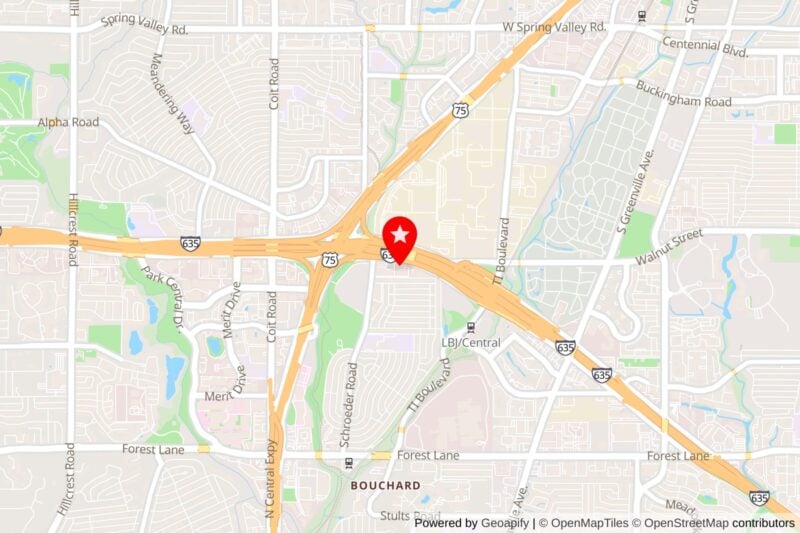
Aashoo Mentreddi, MD, is a specialist in movement disorders at Neurology Consultants of Dallas. The practice is known for its team of fellowship-trained professionals who focus on a range of neurological conditions, providing both diagnosis and treatment.
Dr. Mentreddi’s approach emphasizes patient-centric care, ensuring that individuals receive comprehensive treatment tailored to their specific needs. The clinic integrates modern diagnostic services and innovative treatment protocols to address both common and rare movement disorders.
The facility also offers access to clinical research opportunities, contributing to advancements in neurological treatments. This commitment to research enhances the quality of care provided to patients.
For convenience, the clinic has a pharmacy on-site, facilitating medication pick-up after appointments and delivery options for patients at home.
Online Ratings: 4.7 (13 reviews)
Location: 8390 Lyndon B Johnson Fwy Suite 1000, Dallas, TX 75243
Contact: (214) 750-9977
Understanding Neuropathology
Neuropathology focuses on the study and diagnosis of diseases affecting the nervous system. This field is crucial for identifying conditions that can significantly impact a patient’s health.
What Is Neuropathology?
Neuropathology is a specialized branch of pathology that deals with diseases of the nervous system, including the brain, spinal cord, and peripheral nerves. Neuropathologists examine tissue samples from biopsies or autopsies to identify abnormalities.
Common conditions diagnosed in this field include:
- Tumors (benign and malignant)
- Neurodegenerative diseases (e.g., Alzheimer’s, Parkinson’s)
- Multiple sclerosis
- Infections (e.g., encephalitis)
The diagnostic process often involves advanced techniques such as immunohistochemistry, molecular pathology, and genetic analysis. These methods enable neuropathologists to provide precise diagnoses, which are critical for effective treatment planning.
Importance of Neuropathologists
Neuropathologists play a vital role in the healthcare system. Their expertise is essential for diagnosing complex neurological conditions. These specialists not only determine the nature of the disease but also provide valuable insights for neurologists and oncologists.
A clear diagnosis helps guide treatment options, which may include:
- Surgical interventions
- Chemotherapy or radiation therapy for tumors
- Targeted therapies for neurodegenerative diseases
Effective collaboration between neuropathologists and other healthcare providers improves patient outcomes. Additionally, their research contributions advance the understanding of various neurological disorders, paving the way for new treatment modalities and potential therapies.
Common Conditions Diagnosed by Neuropathologists
Neuropathologists play a crucial role in diagnosing various neurological conditions. They analyze brain tissue and other samples to identify diseases that affect the nervous system, providing essential information for appropriate treatments.
Alzheimer’s Disease
Alzheimer’s disease is a progressive neurodegenerative disorder characterized by memory loss and cognitive decline. Neuropathologists examine brain tissue for hallmark findings, including neurofibrillary tangles and amyloid plaques. The diagnosis often involves analyzing post-mortem samples, where the presence of these abnormal structures confirms the condition.
Symptoms typically manifest in stages, beginning with mild memory lapses and advancing to severe cognitive impairment. Diagnosis can also involve neuroimaging techniques to assess brain function and structure. Early detection is vital, as it may allow for the implementation of strategies to manage symptoms and improve quality of life.
Parkinson’s Disease
Parkinson’s disease is another condition frequently assessed by neuropathologists. This progressive movement disorder primarily affects motor control and may present with tremors, stiffness, and bradykinesia (slowness of movement). Neuropathologists often identify loss of dopamine-producing neurons in the substantia nigra of the brain during examinations.
Diagnosis may also involve analyzing the brain for Lewy bodies, which are abnormal aggregates of protein. Clinical symptoms arise gradually, and while there is no cure, understanding the pathology helps guide treatment options that focus on managing symptoms and enhancing function.
Brain Tumors
Brain tumors encompass a diverse range of abnormal growths within the brain, including both benign and malignant types. Neuropathologists play a critical role in determining tumor type and grade through histopathological analysis. Common types include gliomas, meningiomas, and metastatic brain tumors, each necessitating distinct management strategies.
Diagnostic procedures may involve imaging studies followed by biopsy to obtain tissue samples. The findings aid in tailoring treatment plans that may include surgery, radiation, or chemotherapy. Accurate diagnosis significantly influences prognosis and potential outcomes for patients.
Those harmed by medical negligence in Dallas should know that legal help is available.
Diagnostic Techniques in Neuropathology
Neuropathology employs several sophisticated techniques to diagnose neurological diseases accurately. These methods include histopathology, immunohistochemistry, and molecular pathology, all essential for identifying specific conditions affecting the nervous system.
Histopathology
Histopathology involves the examination of tissue samples under a microscope to identify abnormal cells and structures. This technique helps pathologists detect diseases such as tumors, degenerative disorders, and inflammatory conditions.
Samples are typically collected via biopsies or surgical resections. Staining methods, such as Hematoxylin and Eosin (H&E), are commonly used to enhance visibility. The pathologist analyzes the cellular architecture, noting features like cellularity and necrosis.
In neuropathology, histopathological analysis may reveal specific changes in brain tissue associated with conditions like Alzheimer’s disease or multiple sclerosis. Accurate interpretation of these microscopic features is crucial for developing appropriate treatment plans.
Immunohistochemistry
Immunohistochemistry (IHC) is a technique that allows for the localization of specific antigens in tissue sections using antibodies. This method is invaluable in differentiating between various types of tumors and evaluating the presence of infectious agents.
In IHC, tissues are prepared and incubated with antibodies that bind to target proteins. Secondary antibodies, often linked to enzymes or fluorescent dyes, facilitate visualization.
This technique is particularly beneficial in diagnosing neurodegenerative diseases and brain tumors. For instance, the presence of specific markers can indicate the type of glioma, affecting treatment choices and prognoses.
Molecular Pathology
Molecular pathology focuses on the analysis of genetic material from tissue samples. This advanced technique assesses DNA, RNA, and proteins to provide insights into the molecular underpinnings of diseases.
Molecular tests can help identify genetic mutations associated with certain neurological conditions, enabling tailored therapies. Techniques such as Polymerase Chain Reaction (PCR) and next-generation sequencing are commonly employed.
In neuropathology, molecular pathology plays a vital role in diagnosing conditions like glioblastoma or inherited neurodegenerative diseases. This approach aids in understanding disease mechanisms and informing targeted therapeutic strategies.
Hastings Law Firm Medical Malpractice Attorneys
6060 N Central Expy Ste 575
Dallas, Texas 75206
972-449-9399
Related Articles
-
Local Prosthetics Centers in Dallas
-
Nearby Pharmacy Schools in Dallas
-
Nearby Naturopathic Doctors in Dallas
-
Nearby Plastic Surgeons in Dallas
-
Prominent Pain Management Centers in Dallas
-
Local Integrative Medicine Centers in Dallas
-
Prominent Audiologists in Dallas
-
Local Otolaryngologists in Dallas
-
Local Allergists in Dallas
-
Recognized Sperm Banks in Dallas
