


Local Prosthetists in Austin
Written by: Hastings Law Firm | Last Updated: March 15, 2026
Losing a limb or living with limb difference changes everything about how you move through the world. A prosthetist helps fit and adjust the devices that restore mobility, independence, and comfort. Austin has a range of prosthetic providers serving people at different stages of recovery and adaptation. Finding the right fit, both literally and professionally, takes time and trust. Negligence happens in every healthcare setting, even well-regarded ones.
Hastings Law Firm, founded by board-certified trial attorney Tommy Hastings, represents patients harmed by medical negligence, unsafe medical products, and dangerous pharmaceuticals across multiple states for over two decades. If you or a loved one were harmed by a medical provider in Austin, Hastings Law Firm is here to help.
New Life Prosthetics & Orthtcs

New Life Prosthetics & Orthtcs specializes in customized prosthetics for both upper and lower limbs. The facility is dedicated to providing patients with tailored solutions that enhance their mobility and quality of life. The staff takes pride in their compassion and commitment to patient satisfaction.
In addition to prosthetics, they offer a range of orthotic services, including custom foot orthotics and various types of body braces. These solutions are designed to meet the unique needs of each individual, ensuring proper support and comfort.
Education is a key component of their approach. The team emphasizes the importance of informing patients about their orthopedic appliances, fostering a better understanding of product use and management. This ensures clients are well-prepared for their journey towards improved wellness.
Online Ratings: 5 (4 reviews)
Location: 2013 Wells Branch Pkwy # 207, Austin, TX 78728
Contact: (512) 252-7177
Hanger Clinic: Prosthetics & Orthotics
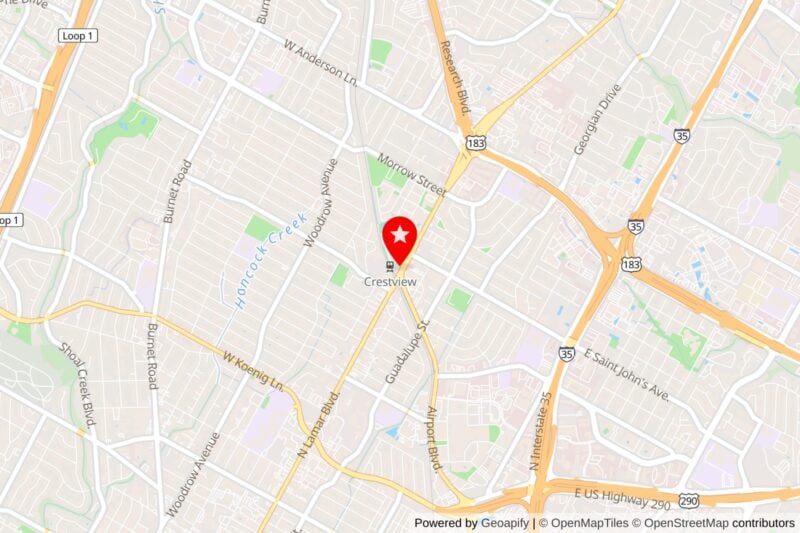
Hanger Clinic specializes in prosthetic and orthotic care, boasting nearly 160 years of experience in the field. The clinic aims to assist patients in regaining independence through innovative technologies and personalized care.
They offer a range of services, including lower and upper limb prosthetics and custom orthoses. Collaboration with local hospitals and rehabilitation teams ensures comprehensive support for clients.
The clinic places importance on understanding each patient’s needs, fostering a supportive environment that includes local peer support. Patients are encouraged to reach out for a free evaluation to experience the services provided.
Online Ratings: 4.5 (18 reviews)
Location: 7020 Easy Wind Dr #130, Austin, TX 78752
Contact: (512) 377-2323
Ottobock.care Prosthetics and Orthotics

Ottobock.care specializes in orthotic and prosthetic solutions, drawing on over 70 years of experience in the field. The clinic is part of a global network that combines local expertise with international resources. This allows them to deliver personalized care backed by advanced methodologies.
The facility emphasizes the importance of patient partnerships. Their team includes dedicated clinicians focused on individual goals and mobility journeys. The presence of on-site fabrication labs ensures that devices are tailored for optimal fit and functionality.
Ottobock.care also provides support with billing and insurance processes. They are in-network with major insurance providers, simplifying the claims process for patients. The clinics are nationally accredited, showcasing their commitment to high standards in care.
Patient stories highlight the effectiveness of the services provided. The clinic aims to foster a supportive environment where patients can thrive.
Online Ratings: 5 (10 reviews)
Location: 11809 Domain Dr Unit 100, Austin, TX 78758
Contact: (737) 707-0058
Hanger Clinic: Prosthetics & Orthotics

Hanger Clinic has nearly 160 years of experience in providing prosthetic and orthotic care. It serves both adults and children in South Austin and Hays County, offering a wide range of services tailored to individual needs. The clinic emphasizes commitment to innovative technologies and specialized training.
Patients benefit from personalized evaluations and treatment plans. The clinic collaborates closely with local hospitals and rehabilitation teams to enhance patient outcomes. It maintains a focus on patient independence and quality of life.
Staff at Hanger Clinic includes certified prosthetists and orthotists who are dedicated to comprehensive care. They assist patients with various needs, ensuring that both initial fittings and adjustments are handled with care and expertise.
Hanger Clinic encourages prospective patients to reach out for evaluations. They also provide resources for new patients to prepare for visits, including necessary forms and information to streamline the appointment process.
Rating: 4.9 (18 reviews)
Location: 4534 West Gate Blvd #114, Austin, TX 78745
Contact: (512) 614-4612
Understanding Prosthetics
Prosthetics play a crucial role in enhancing mobility and improving the quality of life for individuals with limb loss. This section explores different types of prosthetics, the materials used in their construction, and the latest advancements in technology.
Types of Prosthetics
Prosthetics are categorized mainly into two types: transfemoral and transtibial. Transfemoral prosthetics are designed for individuals who have had an above-the-knee amputation, while transtibial prosthetics cater to those with below-the-knee amputations.
Upper limb prosthetics also exist, designed for various levels of amputation, such as transradial (below the elbow) and transhumeral (above the elbow).
Additionally, prosthetics can be classified as passive or active. Passive prosthetics serve aesthetic purposes and do not offer functional use, while active prosthetics incorporate technology to assist in movement, like bionic arms or legs that respond to muscle signals.
Materials Used in Prosthetics
The fabrication of prosthetics involves various materials chosen for their balance of strength, weight, and comfort. Common materials include:
- Thermoplastics like polypropylene, which are lightweight and moldable, making them ideal for socket construction.
- Carbon fiber is frequently used for structural components due to its high strength-to-weight ratio and durability.
- Metal alloys, such as titanium, provide robustness and corrosion resistance, often utilized for joints and fittings.
Soft materials, such as silicone, are often applied for liners to enhance comfort and fit. Each material contributes to the function and usability of the prosthetic, ensuring it meets the specific needs of users.
New Advances in Prosthetic Technology
Recent innovations have significantly enhanced the functionality and comfort of prosthetics. Developments include:
- Bionic limbs equipped with sensors that detect muscle movements, allowing for more natural movement.
- 3D printing technology enables cost-effective, customized prosthetics tailored to individual anatomy.
- Smart prosthetics utilize apps to track usage patterns, providing valuable data for adjustments.
These advancements lead to improved adaptability and performance, making modern prosthetics more efficient and user-friendly than ever before. Various clinics in Austin are already implementing these cutting-edge designs to meet patient needs effectively.
Choosing the Right Prosthetist
Selecting a prosthetist is a critical decision that influences both comfort and mobility. Understanding the qualifications and asking the right questions can significantly enhance the experience.
Credentials to Look For
When evaluating a prosthetist, specific credentials are essential. Look for a Certified Prosthetist (CP) designation, which indicates they have undergone rigorous training and testing. Additional certifications, such as those from the American Academy of Orthotics and Prosthetics (AAOP), can signify further expertise.
Experience in the field is also essential. A practitioner with several years of experience can offer insights into various types of prosthetics and their adaptive needs. Furthermore, consider whether the prosthetist has a special focus on specific patient demographics, such as pediatrics or geriatric care.
Finally, check the practitioner’s involvement in continuing education. Attending workshops or conferences is a good sign that they stay current with advancements in technology and best practices.
Questions to Ask Your Prosthetist
Preparing questions before the initial consultation can lead to a more productive discussion. Start by asking about the types of prosthetics offered and whether they can provide custom solutions tailored to individual needs.
It’s also useful to inquire about the fitting process. Understanding how adjustments will be handled can alleviate concerns. A discussion about the technology used in the manufacturing of the prosthesis is important; this may include the materials and any innovative techniques employed.
Make sure to address aftercare services, such as follow-up appointments and support groups. Knowing what resources are available can improve long-term satisfaction. Additionally, asking about online ratings can provide insight into other patients’ experiences. As of August 29, 2024, this information can be particularly relevant.
While Austin is home to many respected medical facilities, instances of medical negligence can still happen.
Living with Prosthetics
Adjusting to life with prosthetics involves various aspects, including physical therapy, ongoing maintenance, and connection to support resources. Each element plays a crucial role in managing the challenges and enhancing the experience of using prosthetic devices.
Physical Therapy and Rehabilitation
Physical therapy is essential for individuals adapting to prosthetics. Tailored rehabilitation programs help build strength, improve mobility, and enhance balance. Therapists typically design sessions to address specific needs, focusing on exercises that promote a natural gait and prevent injuries.
Patients often receive gait training to learn how to walk with their new limb, which may involve the use of specialized equipment. Techniques such as balance training and flexibility exercises are also common. Regular therapy sessions not only aid in functional recovery but also boost confidence and independence. It’s important for patients to engage fully in these programs for optimal outcomes.
Maintenance and Care of Prosthetics
Ongoing maintenance is critical for the longevity and functionality of prosthetic devices. Regular check-ups with prosthetists help ensure that the prosthesis fits correctly and remains comfortable. Adjustments may be necessary as the individual’s body changes over time.
Daily care routines can prevent wear and tear. Cleaning the prosthetic parts with mild soap and water helps avoid skin irritations and maintains hygiene. Individuals are encouraged to monitor the device for any signs of damage, such as cracks or loose components. Addressing these issues promptly can prevent more significant problems later.
Support Groups and Resources
Connecting with support groups provides valuable emotional and social benefits. Many organizations offer resources for individuals living with prosthetics, such as forums, local meet-ups, and counseling services. Sharing experiences with others facing similar challenges can foster a sense of community.
Local hospitals and clinics may also offer educational workshops on living with prosthetics. Online platforms and social media are valuable for finding information and connecting with others. Many non-profits and advocacy groups provide pamphlets, websites, and hotlines to fight isolation and encourage engagement in physical activities.
Hastings Law Firm, Medical Malpractice Lawyers
4807 Spicewood Springs Rd Suite 1210 Building 1
Austin, TX 78759
512-813-9218
Related Articles
-
Recognized Hydrotherapy Centers in Austin
-
Recognized Prosthetics Centers in Austin
-
Nearby Mental Health Clinics in Austin
-
Nearby Neurosurgeons in Austin
-
Nearby Nursing Schools in Austin
-
Recognized Ultrasound Imaging Centers in Austin
-
Recognized Sports Medicine Clinics in Austin
-
Recognized Fertility Clinics in Austin
-
Nearby Pediatric Surgeons in Austin
-
Well-known Allergists in Austin
