


Local Neurotology Centers in Phoenix for Comprehensive Ear and Skull Base Care
Written by: Hastings Law Firm | Last Updated: February 13, 2026
Disorders of the inner ear, balance system, and skull base can be complex and disruptive. Neurotology centers in Phoenix offer specialized care for conditions like vertigo, hearing loss, acoustic neuromas, and other problems where the ear meets the neurological system. These facilities bring together diagnostic tools and treatment options for patients dealing with symptoms that affect daily life in significant ways.
Negligence happens in every healthcare setting, even well-regarded ones. When treatment goes wrong at a neurotology center, the consequences can be serious and lasting. Hastings Law Firm, founded by board-certified trial attorney Tommy Hastings, represents patients harmed by medical negligence, unsafe medical products, and dangerous pharmaceuticals across multiple states for over two decades. If you or a loved one were harmed by an ENT or neurotology provider in Phoenix, Hastings Law Firm is here to help.
Phoenix residents have access to neurotology services through hospitals, outpatient centers, and specialty clinics throughout the metro area. The region’s growing population has brought expanded options for patients seeking diagnosis and treatment for ear and skull base conditions.
Barrow ENT & Skull Base Surgery
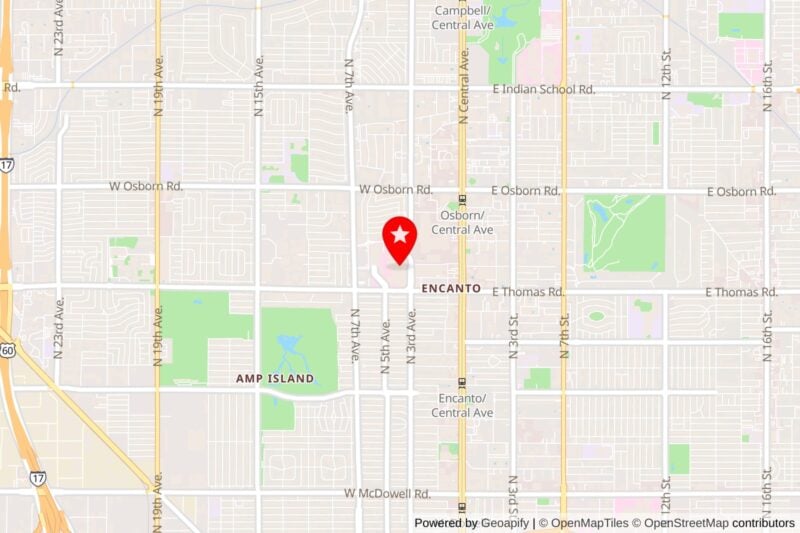
Barrow ENT & Skull Base Surgery specializes in disorders related to the head and neck, including conditions affecting the ear, nose, and throat. The department prioritizes patient-centered care and offers a comprehensive range of services, from diagnosis to treatment options.
The multidisciplinary team at this facility is equipped to provide surgical and non-surgical treatments, as well as rehabilitation and observation. Their commitment to evidence-based medicine drives continuous advancements in treatment options.
Located in Phoenix, the institute serves the broader Arizona region. The staff emphasizes education not only for patients but also for training the next generation of specialists in the field.
Online Ratings: 4.9 (40 reviews)
Location: 2910 N 3rd Ave Suite 330, Phoenix, AZ 85013
Contact: (888) 712-4893
Shawn Michael Stevens, MD
Shawn Michael Stevens, MD, is an experienced otolaryngologist specializing in neurotology. He serves as the Director of the Neurotology Program at Barrow Neurological Institute, within the Department of ENT and Skull Base Surgery. Dr. Stevens is board certified in multiple disciplines, including otolaryngology and neurotology.
He has performed over 1,100 Otology-Neurotology procedures in recent years, showcasing his extensive expertise in the field. Dr. Stevens is recognized for his work on hearing and vestibular disorders, as well as complex surgeries related to the skull base.
In addition to his clinical work, he is active in academic circles, with over 40 peer-reviewed publications and 14 authored textbook chapters. He is also involved with various professional organizations, including the Arizona Society of Otolaryngology – Head and Neck Surgery.
Dr. Stevens completed his medical degree at The Ohio State University and underwent residency training at the Medical University of South Carolina. He further honed his skills during a fellowship in otology and neurotology.
Online Ratings: 4.7 (95 reviews)
Location: 2910 N 3rd Ave 3rd Floor, Phoenix, AZ 85013
Contact: (844) 608-0873
Macias Otology
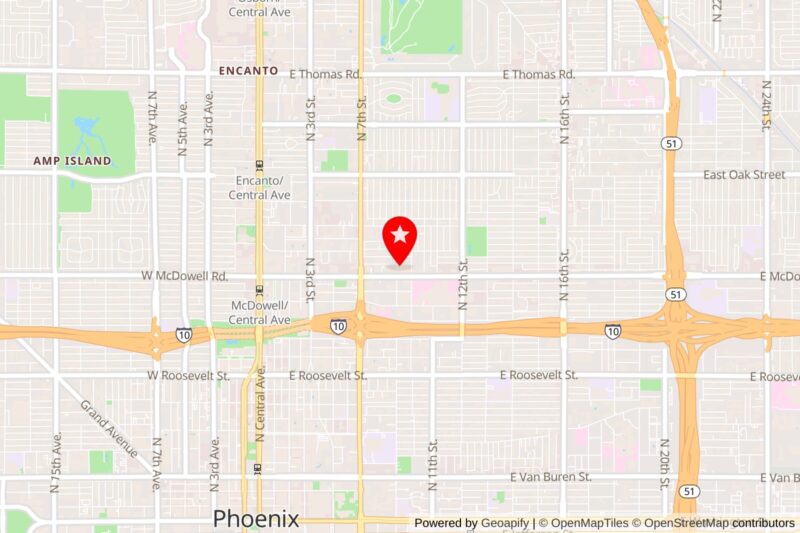
Macias Otology specializes in the diagnosis and treatment of ear-related conditions. The practice employs advanced techniques and technologies to assist patients effectively. Its focus on neurotology makes it a key resource for those with complex ear disorders.
The facility is located in Phoenix, providing convenient access for local residents. The staff is trained to handle a wide array of otological issues, ensuring comprehensive care. They prioritize patient comfort and strive to create a supportive environment.
With a commitment to ongoing education, the team at Macias Otology stays updated on the latest developments in the field. This knowledge enhances the quality of care provided to patients.
Online Ratings: 4.6 (17 reviews)
Location: 926 E McDowell Rd UNIT 208, Phoenix, AZ 85006
Contact: (602) 257-4228
Dr. Ryan M. Rehl, MD
Dr. Ryan M. Rehl specializes in neurotology and provides a range of services focused on ear and balance disorders. He is associated with a reputable practice in Phoenix, Arizona, where he employs advanced techniques and technologies in diagnosis and treatment.
With a strong educational background and extensive clinical experience, he offers patients comprehensive care tailored to individual needs. Patients can expect a thorough evaluation followed by personalized treatment plans.
The office is equipped to handle various neurotological issues, ensuring a supportive and informative environment for patients. His approach emphasizes clear communication, helping patients understand their conditions and options available.
Online Ratings: 4.8 (170 reviews) as of August 29, 2024
Location: 926 E McDowell Rd #207, Phoenix, AZ 85006
Contact: (602) 258-9859
Understanding Neurotology
Neurotology is a specialized branch of medicine focusing on disorders of the ear and related neurological conditions. This field encompasses a range of conditions that affect balance, hearing, and the central nervous system.
What is Neurotology?
Neurotology involves the study and treatment of ear-related conditions, particularly those linked to the nervous system. It overlaps with otolaryngology but emphasizes neural aspects and complex conditions.
Specialists in neurotology diagnose and treat issues involving:
- Hearing impairments
- Balance disorders
- Infections
These conditions can stem from various causes, including trauma, infections, and neurological disorders. Treatments may involve medication, surgery, or physical therapy, aimed at alleviating symptoms and improving quality of life.
Common Neurotological Conditions
Several conditions fall under the neurotology umbrella. These include:
- Vestibular Disorders: Affect balance and spatial orientation.
- Acoustic Neuroma: A benign tumor on the vestibulocochlear nerve, which can cause hearing loss and balance issues.
- Meniere’s Disease: Characterized by episodes of vertigo, tinnitus, and hearing loss.
Patients with these conditions often require a combination of diagnostic tests, including hearing assessments and imaging studies, to determine the appropriate treatment course. Understanding these common conditions can guide patients in seeking specialized care.
Diagnostic Procedures in Neurotology
Neurotology involves various diagnostic procedures critical for identifying ear and related neurological conditions. These methods help specialists determine the underlying issues affecting hearing, balance, and other related functions.
When medical malpractice occurs in Phoenix, patients and families deserve experienced legal guidance.
Audiometric Testing
Audiometric testing assesses a person’s hearing ability through various tests. Key components include pure-tone audiometry, which measures hearing sensitivity across different frequencies, and speech audiometry, which evaluates the ability to recognize spoken words.
Additional tests, such as tympanometry, evaluate middle ear function and health. Findings from these tests help in diagnosing conditions like hearing loss, tinnitus, or issues related to the vestibular system.
Patients should expect to undergo a series of hearing assessments during their visit. These tests are non-invasive and typically last from 30 to 60 minutes, depending on the complexity required for diagnosis.
Imaging Techniques
Imaging techniques play a significant role in neurotology for visualizing anatomical structures and identifying abnormalities. Common methods include Magnetic Resonance Imaging (MRI) and Computed Tomography (CT) scanning.
MRI provides detailed images of soft tissues, making it suitable for detecting tumors, cysts, or inflammation in the ear and surrounding areas. CT scans, on the other hand, are effective for visualizing the bony structures of the temporal bone and can reveal fractures or other bone-related issues.
Both imaging methods are crucial for developing comprehensive treatment plans. They enable physicians to make informed decisions regarding surgical or medical interventions tailored to the patient’s specific condition.
Treatment Approaches in Neurotology
Neurotology utilizes various treatment methods to address disorders of the ear and related structures. The main approaches include medication therapies and surgical interventions, tailored to the specific conditions diagnosed.
Medication Therapies
Medication therapies play a crucial role in managing neurotological conditions. Common medications include corticosteroids, which can reduce inflammation in conditions like vestibular neuritis. Antihistamines may be used to alleviate symptoms of vertigo and motion sickness.
Additionally, diuretics can help in managing Meniere’s disease by reducing inner ear fluid retention. Some patients might benefit from antibiotics if an infection is suspected.
Physicians often customize medication plans based on individual patient needs, considering factors such as pre-existing health conditions and potential drug interactions. Regular follow-ups ensure the effectiveness of the prescribed therapies.
Surgical Interventions
Surgical interventions are considered when medication therapies do not provide sufficient relief. Procedures may aim to correct structural anomalies, remove tumors, or decompress affected nerves.
For instance, a labyrinthectomy can offer relief from severe vertigo by removing the inner ear’s balance structures. Other surgeries, such as tympanoplasty or cochlear implants, address hearing impairment by improving auditory function.
Neurotology specialists assess risks and outcomes before recommending surgical options. The choice of intervention depends on the specific diagnosis and patient’s overall health, ensuring a comprehensive approach to treatment.
Hastings Law Firm, Medical Malpractice Lawyers
4041 North Central Avenue Suite 565
Phoenix, AZ 85012-3330
602-726-4617
Related Articles
-
Recognized OB/GYN Centers in Phoenix
-
Prominent Pharmacologists in Phoenix
-
Local Cardiology Centers in Phoenix
-
Recognized Periodontal Centers in Phoenix
-
Prominent Neurosurgeons in Phoenix
-
Prominent Pharmacy Schools in Phoenix
-
Prominent Plastic Surgeons in Phoenix
-
Local Psychiatrists in Phoenix
-
Local Medical Spas in Phoenix
-
Recognized Neonatologists in Phoenix

This content was researched and written by the Hastings Law Firm editorial team, which includes attorneys, medical professionals, and experienced researchers. Our writing is informed by internal knowledge and practical experience, and we cross-check critical details against authoritative sources cited throughout. Every piece undergoes human-led fact-checking and legal review. Because legal and medical information can change, if you spot an error, please contact us. Learn more about our content standards and review process on our editorial policy page.
