


Local Neurotologists in Phoenix
Written by: Hastings Law Firm | Last Updated: February 13, 2026
Neurotologists treat some of the most delicate structures in the body. These specialists focus on conditions affecting the inner ear, hearing, balance, and the nerves connecting them to the brain. Phoenix residents dealing with chronic dizziness, hearing loss, or balance disorders often turn to neurotologists for diagnosis and treatment. The work requires precision, and when something goes wrong, the consequences can be disabling. Medical negligence happens in every healthcare setting, even well-regarded ones, and patients deserve accountability when they suffer harm.
Hastings Law Firm, founded by board-certified trial attorney Tommy Hastings, has represented patients harmed by medical negligence, unsafe medical products, and dangerous pharmaceuticals across multiple states for over two decades. The firm handles cases involving ENT and ear specialists throughout Arizona, including neurotologists whose errors leave patients with permanent damage. If you or a loved one were harmed by a neurotologist in Phoenix, Hastings Law Firm is here to help.
Shawn M. Stevens, MD
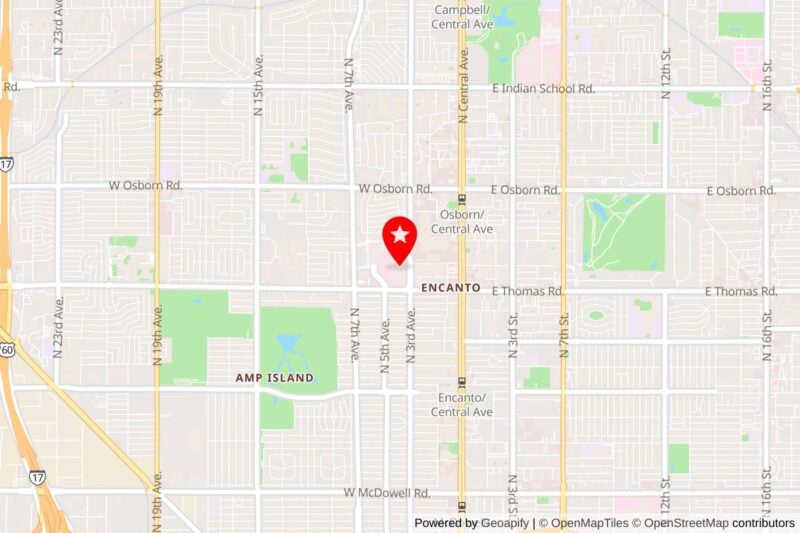
Shawn M. Stevens, MD, is a prominent figure in the field of ENT and skull base surgery. He is associated with the Barrow Neurological Institute, a leading healthcare facility in Phoenix. His expertise encompasses disorders of the head and neck, sino-nasal passages, and ear conditions.
Dr. Stevens and his multidisciplinary team are dedicated to providing patient-centered care. Their services range from accurate diagnosis to surgical and non-surgical treatment options. These include reconstructive surgery and rehabilitation, addressing a wide spectrum of conditions.
The department emphasizes evidence-based medicine and actively engages in scientific research. This commitment fosters the development of novel treatments and enhances the quality of care provided to patients in Arizona.
Education plays a vital role in Dr. Stevens’ practice. He is devoted to educating both patients and future specialists in the field, ensuring the continuous advancement of ENT and skull base surgery techniques.
Online Ratings: 4.7 (214 reviews)
Location: 2910 N 3rd Ave Suite 330, Phoenix, AZ 85013
Contact: (888) 712-4893
Shawn Michael Stevens, MD
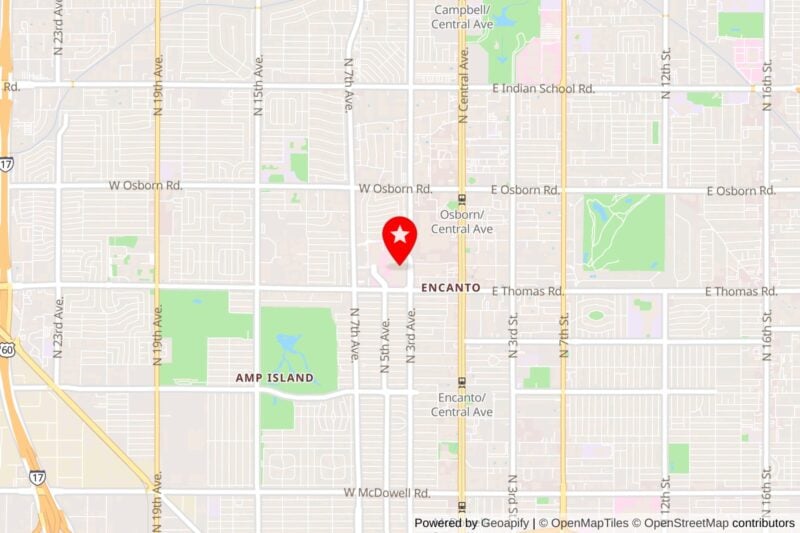
Shawn Michael Stevens is a prominent neurotologist located in Phoenix. He is the Director of the Neurotology Program at Barrow Neurological Institute and specializes in various conditions related to hearing and balance disorders.
Dr. Stevens is board certified in multiple disciplines, including otolaryngology, head and neck surgery, and neurotology. His extensive training includes a fellowship focused on otology and lateral skull base surgery.
He has performed over 1,100 otology-neurotology procedures in the past three years. Dr. Stevens has also authored 14 textbook chapters and published more than 40 peer-reviewed articles on significant topics in his field.
Dr. Stevens holds the position of president of the Arizona Society of Otolaryngology – Head and Neck Surgery and is an active member of various national and regional committees.
Online Ratings: 4.7 (95 reviews)
Location: 2910 N 3rd Ave 3rd Floor, Phoenix, AZ 85013
Contact: (844) 608-0873
Robb Oto-Neuro Clinic- Robb Michael J A MD
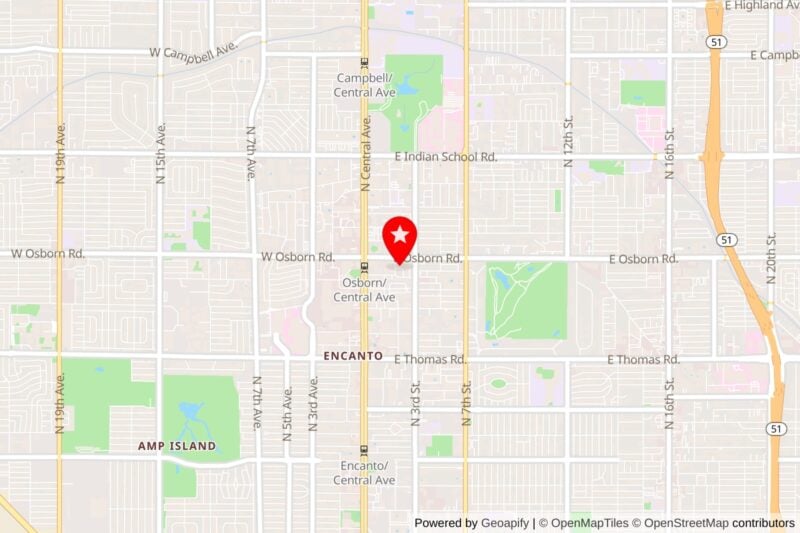
Robb Oto-Neuro Clinic specializes in diseases and disorders of the ear and brain. The clinic addresses a wide variety of conditions including vertigo, tinnitus, and balance issues. It also covers the effects of chronic stress and mild traumatic brain injuries, among other concerns.
The clinic promotes a cash practice model, allowing for a more patient-centered approach. This structure helps ensure patients have a more direct relationship with their physician without interference from insurance companies. Personalized care is a key tenet of the practice.
Located near St. Joseph’s Hospital and Medical Center, the clinic is accessible and close to amenities such as hotels, grocery stores, and restaurants. A collaborative environment with local laboratories and various specialists enhances the care provided at this facility.
Patients are encouraged to schedule consultations for thorough oto-neurological evaluations. The office is open for urgent and semi-urgent cases, with appointments typically available within 6 to 8 weeks.
Online Ratings: 5 (3 reviews)
Location: 206 E Morris Dr, Phoenix, AZ 85012
Contact: (480) 303-1133
Macias Otology
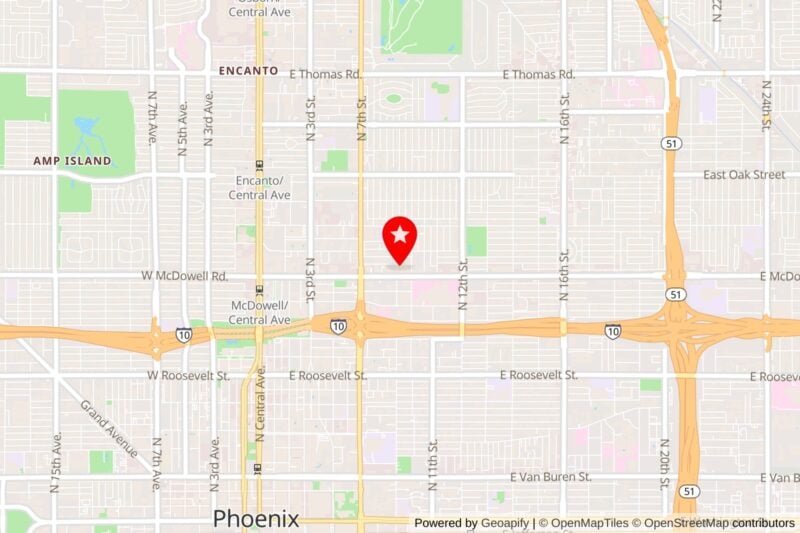
Macias Otology is led by Dr. John D. Macias, who has a robust educational background with honors from Stanford University. His training includes a clinical internship in general surgery and a residency in Otolaryngology Head and Neck Surgery at the University of Iowa.
Dr. Macias is Board Certified in Otolaryngology Head and Neck Surgery and Neurotology. He is a member of several prominent medical societies, reflecting his commitment to the field. Recently, he was elected to the American Otological Society.
In addition to his clinical work, Dr. Macias founded the EAR Foundation of Arizona. This non-profit organization focuses on newborn hearing screenings and provides hearing aids to children in need. The foundation also conducts research on otologic disorders, enhancing community awareness and support.
The practice is situated in Phoenix, Arizona, and is well-regarded in the local medical community.
Online Ratings: 4.6 (17 reviews)
Location: 926 E McDowell Rd UNIT 208, Phoenix, AZ 85006
Contact: (602) 257-4228
Understanding Neurotology
Neurotology is a specialized branch of medicine that focuses on disorders affecting the ear, auditory pathway, and related structures. It encompasses various conditions, primarily those related to hearing, balance, and neurological functions within the ear.
What Is Neurotology?
Neurotology combines elements of otology and neurology, dealing specifically with conditions affecting the inner ear and cranial structures. Neurotologists diagnose and treat disorders related to hearing and balance, using advanced technologies and techniques.
Key areas of focus include:
- Hearing Disorders: Such as hearing loss, tinnitus, and ear infections.
- Balance Disorders: Including vertigo and Meniere’s disease.
- Surgical Procedures: Neurotologists often perform complex surgeries, such as cochlear implants and removal of tumors affecting the ear.
Neurotologists require extensive training, typically completing several years of residency and fellowship after medical school. Their expertise is crucial for patients facing intricate ear-related health challenges.
Common Conditions Treated by Neurotologists
Neurotologists address a variety of conditions affecting the auditory and vestibular systems. Some of the most common conditions include:
- Hearing Loss: This may be conductive, sensorineural, or mixed.
- Tinnitus: A persistent ringing or noise in the ears.
- Cholesteatoma: An abnormal skin growth in the middle ear that can lead to hearing loss and infection.
- Meniere’s Disease: A disorder characterized by episodes of hearing loss, tinnitus, and severe vertigo.
Treatments may involve both medical management and surgical interventions, tailored to the specific needs of each patient. Neurotologists often work in collaboration with audiologists and other specialists to provide comprehensive care.
Finding the Right Neurotologist
Choosing a neurotologist involves careful consideration of several important factors. Patients should evaluate the professional’s qualifications, communication style, and overall approach to treatment to ensure compatibility in their healthcare journey.
Qualities to Look For
When seeking a neurotologist, patients should prioritize specific qualities that can significantly impact their experience and outcomes.
Experience: Look for a neurotologist with considerable experience in diagnosing and treating ear and neurological disorders. A long history in the field often correlates with a deeper understanding of complex cases.
Credentials: Ensure the specialist is board-certified in neurotology or a related field. This certification reflects advanced training and a commitment to maintaining up-to-date knowledge.
Communication Skills: A good neurotologist should be able to explain complex medical concepts clearly. Patients benefit from specialists who listen to their concerns and take the time to discuss treatment options.
Online Ratings: Online ratings, such as those found on platforms like Healthgrades or Yelp, can provide insight into patient satisfaction. As of August 29, 2024, consider browsing these resources for feedback on your potential provider.
Questions to Ask During Your Consultation
During the initial consultation, patients should come prepared with specific questions to better understand their neurotologist’s approach and ensure they align with their needs.
What is your experience with my specific condition? Inquire about the specialist’s familiarity with ailments similar to yours. Understanding their expertise can help gauge their suitability.
What treatment options do you recommend? This question can help patients learn about the different approaches available, including both surgical and non-surgical methods.
How do you handle complications or setbacks? Knowing how a neurotologist manages potential complications offers insight into their problem-solving abilities and commitment to patient safety.
What is the typical follow-up process? Understanding the plan for follow-up care is crucial for long-term health management and supports ongoing communication between the patient and specialist.
Neurotology Treatments and Procedures
Neurotology involves a range of specialized treatments and procedures aimed at addressing disorders related to the ear and its connections to the nervous system. This includes diagnostic tests for identifying issues and surgical interventions that can provide therapeutic benefits.
Diagnostic Tests
Diagnostic tests in neurotology are essential for recognizing specific conditions affecting hearing and balance. Key assessments include:
Audiometry: Measures hearing sensitivity and helps determine the type and severity of hearing loss.
Electrophysiological Tests: These involve measuring electrical activity in the auditory pathways. Common tests include Auditory Brainstem Response (ABR) and Vestibular Evoked Myogenic Potentials (VEMP).
Imaging Studies: MRI and CT scans are crucial for visualizing inner ear structures and detecting abnormalities such as tumors or structural defects.
These tests assist in forming an accurate diagnosis and are generally performed in a clinical setting by trained professionals, ensuring that the results are reliable for further treatment planning.
Surgical Procedures
Surgical interventions are often needed for conditions that cannot be managed through conservative methods. Common procedures include:
Tympanoplasty: Repair of the eardrum to improve hearing and prevent infections.
Stapedectomy: Removal of the stapes bone in cases of otosclerosis, replaced with a prosthesis to restore hearing.
Vestibular Schwannoma Surgery: This involves the removal of tumors from the vestibular nerve, often requiring a meticulous approach to preserve hearing and balance.
These procedures demand a high level of expertise and are performed by specialists in neurotology. The goal is to alleviate symptoms while minimizing risks associated with surgery.
Preparing for Your Appointment
Being well-prepared for a neurotology appointment can enhance the experience and ensure that all necessary information is conveyed. Patients should understand what to bring and what to expect during the visit. By organizing pertinent documents and setting realistic expectations, individuals can make the most of their consultation with a neurotologist.
What to Bring
Patients should ensure that they have the following items ready for their appointment:
- Identification: A government-issued ID helps verify the patient’s identity.
- Insurance Information: Bring the insurance card or any relevant paperwork to streamline billing.
- Medical Records: Prior test results or imaging studies can provide valuable context.
- List of Medications: Include all prescription and over-the-counter medications, as well as dosages.
- Symptom Diary: Document any symptoms, their frequency, and triggers experienced prior to the visit.
Being organized with these documents will facilitate a clearer discussion of medical history and concerns.
What to Expect
During the appointment, patients can anticipate several key components:
- Initial Consultation: The neurotologist will review the patient’s medical history and symptoms in detail. This may include discussing previous treatments or evaluations.
- Physical Examination: Expect a thorough examination focusing on the ears, balance, and any related neurological assessments.
- Diagnostic Tests: The doctor may recommend tests like audiometry or imaging scans if necessary.
- Follow-Up Plans: At the conclusion, they will discuss potential diagnosis and treatment options, along with any needed follow-up appointments.
Understanding these aspects can help patients feel more at ease as they navigate their appointments with neurotologists.
Hastings Law Firm, Medical Malpractice Lawyers
4041 North Central Avenue Suite 565
Phoenix, AZ 85012-3330
602-726-4617
Related Articles
-
Local Nursing Schools in Phoenix
-
Well-known Dental Schools in Phoenix
-
Local Otologists in Phoenix
-
Popular Dentists in Phoenix
-
Prominent Dialysis Centers in Phoenix
-
Prominent Sleep Disorder Clinics in Phoenix
-
Prominent Medical Centers in Phoenix
-
Recognized Preventive Medicine Centers in Phoenix for Comprehensive Health Care
-
Local Urgent Care Centers in Phoenix
-
Well-known Oncologists in Phoenix
