


Popular Neurology Centers in Houston
Written by: Hastings Law Firm | Last Updated: February 13, 2026
Neurological care addresses some of the most complex conditions people face, from chronic migraines and seizures to stroke recovery and degenerative diseases. Houston residents have access to numerous neurology centers throughout the city, including large academic facilities and smaller private practices. These centers treat everything from routine issues like nerve pain to serious conditions requiring specialized testing and long-term management. Finding a neurologist often means navigating referrals, wait times, and insurance networks while dealing with symptoms that can be frightening and disruptive.
Negligence happens in every healthcare setting, even well-regarded ones. Misdiagnosis, delayed treatment, and errors in testing can occur anywhere. Hastings Law Firm, founded by board-certified trial attorney Tommy Hastings, has represented patients harmed by medical negligence, unsafe medical products, and dangerous pharmaceuticals across multiple states for over two decades. If you or a loved one were harmed by a neurologist in Texas, Hastings Law Firm is here to help.
The Neurology Center

The Neurology Center is dedicated to providing high-quality care through a team of experienced neurologists. They focus on ensuring that patients receive comprehensive treatment for their neurological conditions.
The center emphasizes personalized care, addressing individual concerns and fostering an environment of reassurance. This approach is evident in the feedback from patients who appreciate the time taken by staff to discuss their health needs.
As part of Privia Health, The Neurology Center connects with other leading healthcare providers. This collaboration aims to enhance the delivery of care and improve patient outcomes.
Online Ratings: 4.6 (87 reviews)
Location: 6655 Travis St #600, Houston, TX 77030
Contact: (713) 795-0074
UTHealth Houston Neurosciences Neurology – Texas Medical Center

UTHealth Houston Neurosciences Neurology offers comprehensive care for various neurological conditions. The clinic welcomes patients with general neurological issues as well as those seeking lumbar punctures. These specific procedures are scheduled on Friday mornings to facilitate patient recovery.
The clinic addresses conditions such as multiple sclerosis and Guillain-Barre Syndrome. It also assists in diagnosing serious infections, including meningitis and encephalitis. Furthermore, it evaluates bleeding around the brain and certain brain or spinal cord cancers.
Appointments can be arranged by contacting the referral line, ensuring patients receive timely care. The staff is composed of experienced professionals dedicated to improving patient outcomes and health.
Online Ratings: 4.5 (199 reviews)
Location: 6410 Fannin St #1014, Houston, TX 77030
Contact: (832) 325-7080
UTHealth Houston Neurosciences – Texas Medical Center
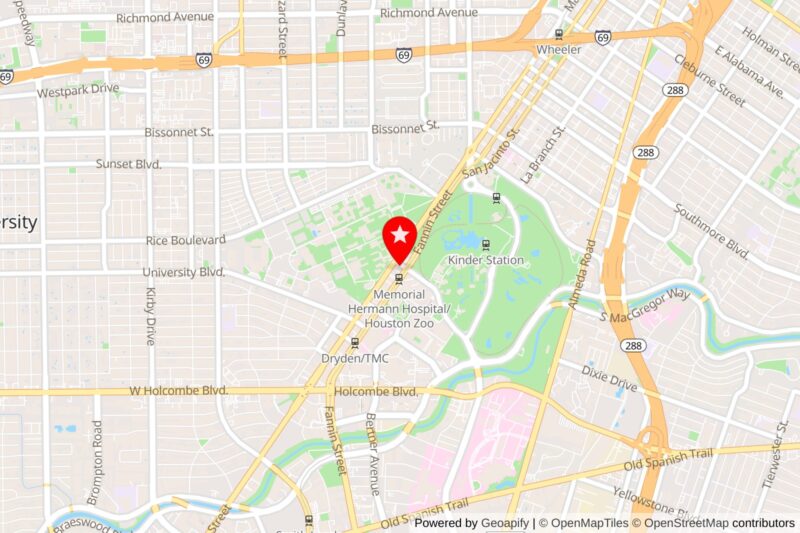
UTHealth Houston Neurosciences is a prominent facility specializing in a range of neurological conditions. It offers comprehensive clinical, academic, and research-based programs aimed at delivering high-quality care.
The center is home to over 150 providers, including specialists in neurology, neurosurgery, neuroradiology, and neurocritical care. It is recognized nationally for its advancements in treating brain, spine, and nerve disorders.
Patients can access various specialty centers that focus on specific conditions such as stroke, movement disorders, and back pain. The facility emphasizes patient education to ensure that individuals are well-informed about their treatment options.
Through innovation and research, UTHealth aims to stay at the forefront of neurological care, providing patients access to the latest clinical trials and treatments.
Online Ratings: 4.6 (70 reviews)
Location: 6400 Fannin St Suite 2800, Houston, TX 77030
Contact: (713) 486-8000
UTHealth Houston Neurosciences – Southwest

UTHealth Houston Neurosciences – Southwest is a key provider in the field of neurology, catering to patients with various neurological conditions. The center features a team of specialized healthcare providers who focus on conditions affecting the nervous system.
Patients have access to a range of services, including comprehensive evaluations and personalized treatment plans. This facility is part of a larger network of providers, ensuring multidisciplinary care when needed.
The center emphasizes patient-centered care, aiming to address the unique needs of individuals. With advanced techniques and a strong focus on research, it maintains a commitment to delivering quality neurological care.
Online Ratings: 4.9 (32 reviews)
Location: 7777 Southwest Fwy #840, Houston, TX 77074
Contact: (713) 486-8080
Neurology Consultants of Houston

Neurology Consultants of Houston specializes in neurology and neurosurgery, providing comprehensive care in the Greater Houston area. The clinic is affiliated with the Mischer Neuroscience Institute, enhancing its capabilities and resources.
The facility features a team of experienced neurologists and neurosurgeons, offering a range of diagnostic and treatment services. Their focus includes conditions such as epilepsy, stroke, and neurodegenerative diseases.
Patients have access to advanced technology and treatment options. This supports accurate diagnoses and effective management of neurological conditions.
The commitment to patient care is evident in the collaborative approach to treatment planning. This ensures that each individual receives tailored care based on their specific needs.
Online Ratings: 4.9 (303 reviews)
Location: 6700 W Loop S #400, Bellaire, TX 77401
Contact: (713) 795-4785
UTHealth Houston Neurosciences – Greater Heights

UTHealth Houston Neurosciences – Greater Heights offers a range of neurological services. The facility is part of a larger network providing comprehensive care through numerous specialists trained in various areas of neurology.
Patients can access both routine and advanced neurological treatments. The center is equipped to handle diverse conditions, focusing on individualized patient care.
With a strong emphasis on research and education, UTHealth is involved in innovative treatments and clinical trials. This commitment contributes to the advancement of neurological care practices.
The center is located in Houston and serves a wide geographical area, ensuring accessibility for many patients seeking specialized neurology services.
Online Ratings: 4.9 (28 reviews)
Location: 1631 N Loop W #245, Houston, TX 77008
Contact: (713) 486-8150
UTHealth Houston Neurosciences – Memorial City

UTHealth Houston Neurosciences – Memorial City serves as a vital resource for neurological care in the Greater Houston area. The clinic specializes in treating complex and rare neurological conditions. A multidisciplinary team of experts collaborates to deliver comprehensive patient care.
Neurosurgeons affiliated with McGovern Medical School at UTHealth focus on advancing treatment options for various neurological disorders. Their commitment to research enhances the availability of cutting-edge neurosurgical expertise in West Houston.
The neurology team diagnoses and manages a wide range of neurological issues, including movement disorders, epilepsy, sleep disorders, and cancer affecting the brain and spine. Patients benefit from access to specialized care close to home.
The clinic is open 24 hours a day, ensuring that the community receives prompt medical attention for neurological health. This emphasizes the clinic’s mission to provide accessible, high-quality care.
Online Ratings: 4.7 (44 reviews)
Location: 929 Gessner Rd Ste 2410, Houston, TX 77024
Contact: (713) 486-7720
Common Neurological Disorders
Neurological disorders can significantly impact individuals’ daily lives and overall well-being. The following highlights three common conditions that affect millions of people.
Parkinson’s Disease
Parkinson’s disease is a progressive neurological disorder that primarily affects movement. It occurs when nerve cells in the brain that produce dopamine deteriorate. Key symptoms include tremors, stiffness, slowness of movement, and balance problems.
Patients may also experience non-motor symptoms such as depression, sleep disturbances, and cognitive changes. While there is no cure, treatments focus on symptom management through medication, physical therapy, and lifestyle modifications. Advances in surgical options, like deep brain stimulation, offer additional avenues for those with more severe symptoms.
Multiple Sclerosis
Multiple sclerosis (MS) is an autoimmune disorder that affects the central nervous system. The immune system mistakenly attacks the protective sheath (myelin) covering nerve fibers, leading to communication issues between the brain and the body.
Common symptoms include fatigue, difficulty walking, numbness, and vision problems. The course of MS varies widely among individuals, with some experiencing relapsing forms and others facing a progressive decline in function. Treatment often involves disease-modifying therapies that aim to reduce the frequency of relapses and manage symptoms effectively.
Epilepsy
Epilepsy is characterized by recurrent seizures caused by abnormal electrical activity in the brain. Seizures can manifest in various forms, ranging from brief lapses in awareness to severe convulsions.
Diagnosis is typically made through patient history, neurological exams, and imaging studies like MRI and EEG. Management usually focuses on anti-seizure medications. For some patients, alternative treatments like dietary changes, vagus nerve stimulation, or surgery may be considered, particularly in cases where seizures are resistant to medication. Regular follow-up with healthcare professionals is essential for managing this condition.
Treatment and Therapy Options
Neurology centers in Houston provide a range of treatments and therapies tailored to address various neurological conditions. These options are categorized into medication management, surgical interventions, and rehabilitation therapy, each playing a vital role in patient recovery and management.
Medication Management
Medication management is crucial for treating many neurological disorders. This involves the use of various pharmacological agents to alleviate symptoms and optimize patient functioning. Common medications include:
- Antiepileptics: For seizure disorders.
- Antidepressants: To manage mood disorders.
- Muscle relaxants: Helpful in conditions like spasticity.
Specialized treatments, such as chemodenervation with botulinum toxins, specifically address spasticity and dystonia. Personalized medication plans are developed based on individual patient needs, ensuring efficacy and minimizing side effects. Ongoing evaluation and adjustment are essential as patient responses to medications can vary significantly.
Surgical Interventions
Surgical interventions can be necessary for certain neurological conditions. Houston centers utilize advanced techniques for a range of procedures, including:
- Stereotactic Radiosurgery: A non-invasive method targeting brain and spinal tumors with precision.
- Neurosurgery: For conditions such as epilepsy or tumor removal.
These surgical options aim to improve quality of life and may be recommended after thorough assessment by a specialized surgical team. The decision for surgery typically follows an extensive review of non-surgical treatments, weighing potential benefits and risks.
Rehabilitation Therapy
Rehabilitation therapy focuses on restoring function and enhancing the quality of life for patients with neurological impairments. Programs often include:
- Physical Therapy: To improve mobility and strength.
- Occupational Therapy: Aimed at increasing independence in daily activities.
- Speech Therapy: For patients experiencing communication or swallowing difficulties.
Rehabilitation is customized based on individual assessments and can range from outpatient sessions to intensive inpatient programs. These therapies utilize evidence-based practices to support recovery and may include technology-assisted treatments for better results.
Understanding your rights after suffering from medical malpractice in Houston is an important first step toward recovery.
Advanced Diagnostic Techniques
Advanced diagnostic techniques are essential in neurology for accurately identifying conditions affecting the nervous system. These methods enhance precision in diagnosis and treatment planning, allowing for targeted care tailored to individual patient needs.
Neuroimaging
Neuroimaging employs advanced visualization technologies to assess brain structure and function. This includes techniques like Magnetic Resonance Imaging (MRI) and Computed Tomography (CT) scans. MRI provides high-resolution images of brain tissues, enabling the detection of tumors, strokes, and congenital anomalies.
CT scans are useful for quick assessments, particularly in emergencies. They can reveal bleeding, skull fractures, and other acute conditions. Additionally, functional imaging techniques like Positron Emission Tomography (PET) measure metabolic activity, helping to identify neurodegenerative diseases like Alzheimer’s.
The integration of these techniques allows specialists to formulate comprehensive treatment plans based on objective data.
Electroencephalography (EEG)
Electroencephalography (EEG) measures electrical activity in the brain using electrodes placed on the scalp. It is particularly valuable in diagnosing seizure disorders, sleep disorders, and encephalopathies.
EEG results can show abnormal brain wave patterns indicative of various neurological conditions. For instance, spikes or sharp waves may suggest epilepsy. Furthermore, continuous EEG monitoring is often employed in hospital settings to observe patients with unexplained neurological symptoms.
The portability of EEG devices also allows for outpatient settings, facilitating monitoring over extended periods. This adaptability enhances the ability to capture intermittent conditions that brief tests might miss.
Genetic Testing
Genetic testing is transforming neurologic diagnostics by allowing for the identification of hereditary conditions. This method analyzes DNA to detect mutations linked to neurological disorders, such as Huntington’s disease and certain forms of muscular dystrophy.
These tests can guide treatment options and inform patients about potential disease progression. Family planning implications can also be addressed through genetic counseling.
As genetic research advances, new tests continue to emerge, expanding the scope of personalized medicine in neurology. These developments promise to enhance understanding and management of complex neurological disorders.
Hastings Law Firm, Medical Malpractice Lawyers
2200 North Loop W #118
Houston, TX 77018-1753
346-245-5495
Related Articles
-
Well-known Sports Medicine Clinics in Houston
-
Nearby Home Health Care Services in Houston
-
Recognized Otologists in Houston
-
Local Prosthetics Centers in Houston
-
Local Physiatrists in Houston
-
Popular Physical Rehabilitation Centers in Houston for Comprehensive Care
-
Local Pain Management Centers in Houston
-
Popular Medical Transportation Services in Houston
-
Local Mammography Centers in Houston
-
Nearby Hydrotherapy Centers in Houston
