


Local Pathology Laboratories in Dallas
Written by: Hastings Law Firm | Last Updated: February 13, 2026
Getting lab work done is routine for most people in Dallas. Blood tests, biopsies, tissue samples, and other diagnostics flow through pathology laboratories across the city every day. These facilities process thousands of specimens, and the results shape treatment decisions, surgical plans, and long-term care strategies. When results come back accurate and timely, the system works as it should. But negligence happens in every healthcare setting, even well-regarded ones. Misread slides, mislabeled samples, and delayed reports can lead to serious harm.
Hastings Law Firm, founded by board-certified trial attorney Tommy Hastings, has represented patients harmed by medical negligence, unsafe medical products, and dangerous pharmaceuticals across multiple states for over two decades. The firm handles cases involving pathologist malpractice in Texas and understands how laboratory errors affect real people. If you or a loved one were harmed by a pathology laboratory in Dallas, Hastings Law Firm is here to help.
Clinical Pathology Laboratories (CPL) – Baylor Wadley

Clinical Pathology Laboratories (CPL) has been serving the Dallas community for many years. It provides a comprehensive range of laboratory services, focusing on the needs of healthcare practitioners and their patients. With over 200 locations across Texas, CPL emphasizes quality and commitment in its operations.
CPL is led by practicing pathologists who offer extensive medical expertise. Their goal is to deliver accurate diagnostics, which is essential for effective patient care. The laboratory utilizes advanced technology to ensure precise testing and timely results.
The lab is transitioning to a new financial and billing software system, set to launch on October 1, 2024. This innovative program aims to enhance the billing experience for clients and streamline interactions with their billing processes.
CPL also offers patient-focused services, including an online portal for accessing test results and managing appointments, ensuring users have easy access to their health information.
Online Ratings: 4.9 (365 reviews)
Location: 3600 Gaston Ave #1051, Dallas, TX 75246
Contact: (214) 823-6184
Clinical Pathology Laboratories (CPL) – Walnut Hill 1
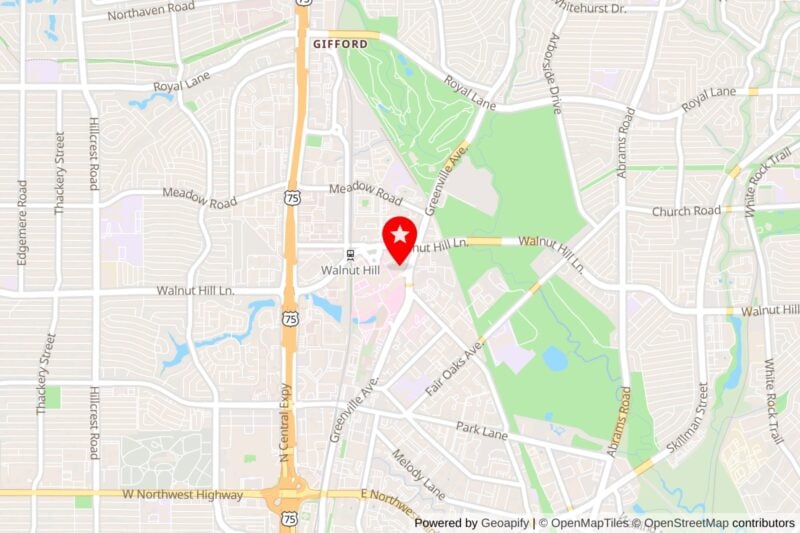
Clinical Pathology Laboratories (CPL) has been operating in Texas for over 75 years. It is led by practicing pathologists dedicated to providing high-quality laboratory services. Their extensive network includes more than 200 locations across the state, ensuring accessibility for clinicians and patients alike.
CPL is currently transitioning to a new financial and billing system called XiFin. This upgrade is designed to enhance the efficiency of revenue cycle management, with implementation scheduled for October 1, 2024. Clients can expect detailed communications regarding the process to ensure a smooth transition.
The laboratory offers a variety of testing solutions, focusing on women’s health and overall wellness. Additionally, it provides a patient portal called SonicMyAccess™, which facilitates easier access to test results and appointments.
CPL maintains high standards in its service delivery, aligning with the needs of healthcare practitioners and their patients.
Online Rating: 3.1 (12 reviews)
Location: 8230 Walnut Hill Ln Suite 518, Dallas, TX 75231
Contact: (214) 692-9519
Clinical Pathology Laboratories (CPL) – Margot Perot
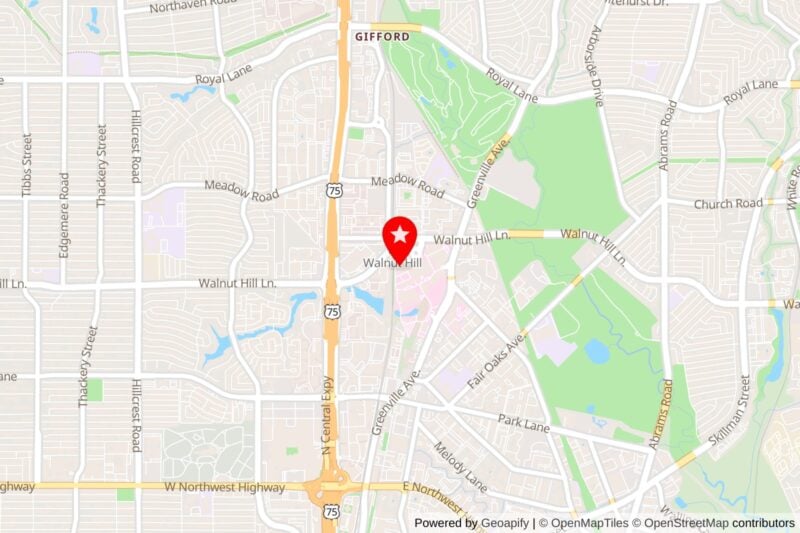
Clinical Pathology Laboratories (CPL) has been serving the Dallas area for over 75 years, providing a range of laboratory services. The organization prides itself on having practicing pathologists who guide the diagnostic process, ensuring high-quality patient care.
CPL offers various testing solutions focused on women’s health and overall wellness. Their services include guidance-driven laboratory testing, which is designed to meet the unique needs of clinicians and patients alike.
The laboratory is in the process of transitioning to a new financial and billing software, aimed at improving billing interactions. This implementation is planned for October 1, 2024, with communication to clients regarding the transition details.
Patients can access their test results through the SonicMyAccess™ patient portal, making it easier to understand and manage their health information.
Online Ratings: 5 (3 reviews)
Location: 8160 Walnut Hill Ln #111, Dallas, TX 75231
Contact: (214) 750-8050
Clinical Pathology Laboratories (CPL) – Independence Medical Village
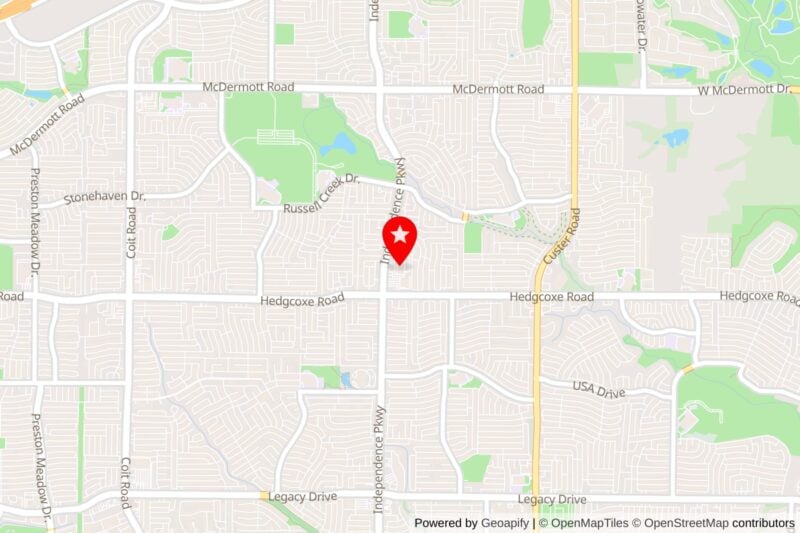
Clinical Pathology Laboratories operates with a focus on providing laboratory services tailored to the needs of both clinicians and patients. It boasts over 75 years of experience in the field and maintains a presence through more than 200 locations across Texas. This extensive network facilitates convenient access to diagnostic testing.
The laboratory is led by a team of experienced pathologists, ensuring a high standard of diagnostic services. CPL emphasizes personalized care, aiming to meet the specific requirements of healthcare professionals and their patients efficiently. The laboratory offers a patient portal, SonicMyAccess™, which aids individuals in accessing their test results and understanding them better.
A significant transition is planned for October 1, 2024, as CPL will implement a new financial and billing software system called XiFin. This upgrade aims to enhance the revenue cycle management experience for clients, indicating the laboratory’s commitment to continually improving its services.
Online Ratings: 2.6 (26 reviews)
Location: 8080 Independence Pkwy #225, Plano, TX 75025
Contact: (972) 521-5795
Path Advantage Associated
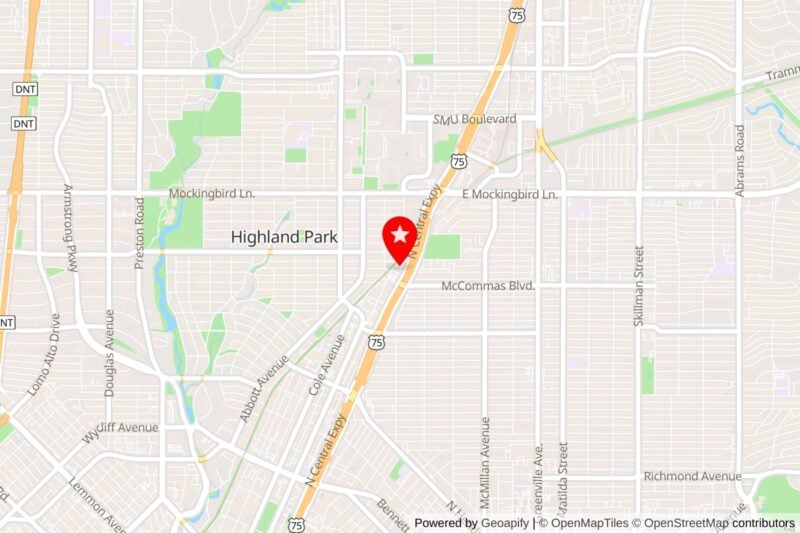
Path Advantage Associated is a pathologist-owned laboratory based in Dallas. It focuses on delivering quality care while treating patients with the respect they deserve. The laboratory emphasizes a collaborative approach, working closely with healthcare providers to enhance patient outcomes.
The team at Path Advantage is committed to staying current on the latest advancements in testing, treatments, and clinical management guidelines. They actively engage with medical professionals through their PathAdvantage Journal, discussing topics of interest and providing insights into various aspects of pathology.
The facility is designed to support healthcare providers in making informed decisions regarding patient care. Path Advantage promotes open communication and welcomes feedback to improve their services continually.
Online Ratings: 4 (37 reviews)
Location: 5327 N Central Expy Unit 300, Dallas, TX 75205
Contact: (214) 219-5880
Clinical Pathology Laboratories (CPL) – Hampton
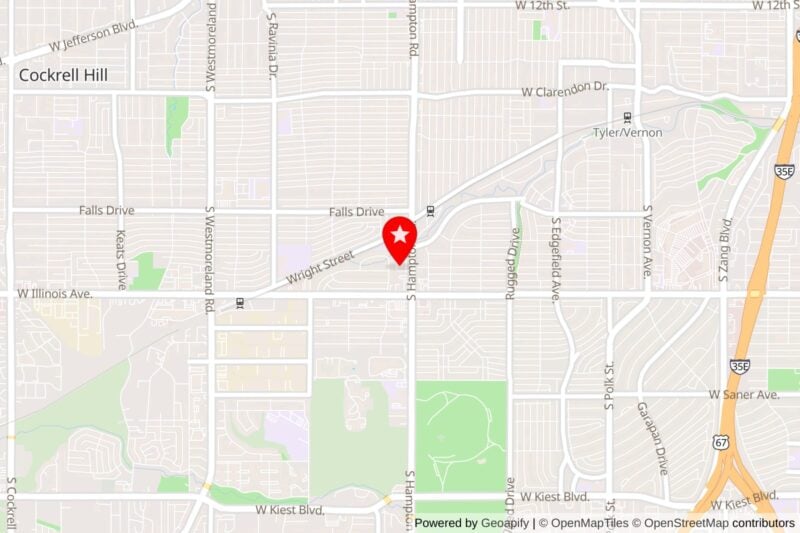
Clinical Pathology Laboratories (CPL) has been serving the healthcare needs of Texas for more than 75 years. They offer a comprehensive range of laboratory services tailored to the needs of practitioners and their patients. The organization is led by practicing pathologists, which enhances their capability to provide quality diagnostics.
Recently, CPL announced the transition to a new billing software program called XiFin, set to launch on October 1st, 2024. This update aims to streamline interactions with its billing system, promising a more efficient experience for clients.
The laboratory emphasizes women’s health and overall wellness through its guidance-driven testing and screening services. Patients can conveniently access test results via their SonicMyAccess™ portal.
CPL is dedicated to maintaining high standards, ensuring that their services are aligned with the latest healthcare compliance regulations.
Online Ratings: 2.9 (11 reviews)
Location: 2301 S Hampton Rd # 150, Dallas, TX 75224
Contact: (214) 337-6398
Understanding Pathology Laboratories
Pathology laboratories play a critical role in the healthcare system by analyzing biological samples to aid in disease diagnosis and management. They ensure that tests are conducted accurately and efficiently, contributing significantly to patient care.
Role of Pathology Laboratories
Pathology laboratories primarily focus on diagnosing diseases by examining tissue, blood, and other bodily fluids. They perform tests that include histopathology, cytopathology, and clinical chemistry.
Key functions of these laboratories include:
- Sample Collection: Obtaining specimens in a sterile and safe manner.
- Analysis: Utilizing advanced technology to analyze samples.
- Reporting Results: Delivering findings to physicians quickly to facilitate timely treatment.
Clarity in reporting is essential, as it guides healthcare providers in making informed decisions. Timely communication of lab results enhances patient outcomes and ensures appropriate treatment plans.
Importance of Accurate Diagnosis
Accurate diagnosis is vital for effective treatment strategies. Pathology laboratories employ rigorous quality control measures to maintain testing precision and reliability. An incorrect diagnosis can lead to inappropriate treatments, potentially endangering patient health.
Factors affecting diagnostic accuracy include:
- Sample Quality: High-quality samples yield more reliable results.
- Technical Expertise: Skilled staff are crucial for interpreting complex tests.
- Advanced Equipment: Using state-of-the-art technology improves diagnostic capabilities.
Timely and accurate diagnoses allow healthcare providers to tailor treatment plans, leading to better patient outcomes. Thus, pathology laboratories serve as a foundational component in the effective delivery of healthcare services.
Even in leading Dallas medical centers, lapses in care may be considered medical malpractice.
Certified Pathologists and Their Expertise
Certified pathologists possess extensive training and qualifications, enabling them to provide accurate diagnoses and support for various medical conditions. Their expertise spans multiple specialties within pathology, allowing them to meet diverse clinical needs.
Qualifications and Training
Pathologists typically hold a Doctor of Medicine (M.D.) or Doctor of Osteopathic Medicine (D.O.) degree, after which they complete a residency in pathology, usually lasting four years. During this time, they gain hands-on experience in both anatomic and clinical pathology.
Many pathologists pursue additional fellowships in subspecialties such as gastrointestinal pathology or dermatopathology. Board certification by the American Board of Pathology is essential and often requires passing rigorous examinations. Continuous education is also vital, ensuring they stay current with advancements in the field.
Specializations in Pathology
Pathologists can specialize in various areas, enhancing their diagnostic capabilities. Some common specializations include:
- Anatomic Pathology: Focuses on tissue examination to diagnose diseases.
- Clinical Pathology: Involves laboratory tests on blood and other bodily fluids.
- Dermatopathology: Examines skin disorders at a microscopic level.
- Hematopathology: Studies blood diseases and disorders.
- Gastrointestinal Pathology: Specializes in diseases affecting the digestive tract.
These sub-specialties allow pathologists to provide targeted expertise, essential for accurate diagnosis and treatment planning.
Advanced Diagnostic Technologies
Advanced diagnostic technologies play a crucial role in enhancing the accuracy of pathology diagnoses. This section covers key methodologies, such as molecular diagnostic techniques and immunohistochemistry, highlighting their importance in modern medical practices.
Molecular Diagnostic Techniques
Molecular diagnostic techniques involve analyzing genetic material to identify diseases at a molecular level. Key methods include:
- Sanger Sequencing: A foundational technique for sequencing DNA and identifying genetic mutations.
- Polymerase Chain Reaction (PCR): Amplifies small segments of DNA for easier analysis, ideal for detecting low-abundance sequences.
- Next-Generation Sequencing (NGS): Allows for simultaneous sequencing of multiple genes, facilitating comprehensive genomic profiling.
These methods enable clinicians to make more informed decisions about patient care. They are particularly valuable in oncology, where identifying specific mutations can guide targeted therapies. Additionally, molecular diagnostics aid in the detection of infectious diseases, providing critical information for treatment strategies.
Immunohistochemistry
Immunohistochemistry (IHC) is a technique that uses antibodies to detect specific proteins in tissue samples. It’s instrumental in diagnosing various cancers and autoimmune diseases. Key components of IHC include:
- Antibodies: Customized to bind to specific antigens within the tissue.
- Staining Procedures: Various protocols help visualize the presence of proteins, using dyes that indicate reactivity.
IHC is particularly effective in distinguishing between different types of tumors by identifying unique biomarkers. It allows pathologists to assess the aggressiveness of a disease and helps determine the most appropriate therapeutic approach. The ability to visualize protein expression offers invaluable insights into tumor behavior and patient prognosis.
Hastings Law Firm Medical Malpractice Attorneys
6060 N Central Expy Ste 575
Dallas, Texas 75206
972-449-9399
Related Articles
-
Prominent Periodontal Centers in Dallas
-
Nearby Pediatric Care Centers in Dallas
-
Local Massage Therapy Schools in Dallas
-
Prominent Osteopathic Physicians in Dallas
-
Prominent Reflexologists in Dallas
-
Local Urogynecologists in Dallas for Comprehensive Women’s Health Care
-
Well-known Physiatrists in Dallas
-
Prominent Physical Therapists in Dallas
-
Prominent Cosmetic Dentists in Dallas
-
Local Outpatient Surgery Centers in Dallas
