


Well-known Palliative Care Centers in Phoenix
Written by: Hastings Law Firm | Last Updated: February 13, 2026
Facing a serious or terminal illness changes everything. Palliative care offers relief from pain and other symptoms, helping patients find comfort during difficult times. Phoenix has several centers focused on this type of care, providing support for people living with conditions like cancer, heart disease, kidney failure, and chronic lung disease. These programs work alongside other treatments to improve quality of life, addressing physical discomfort as well as emotional and spiritual concerns.
Negligence happens in every healthcare setting, even well-regarded ones. Hastings Law Firm, founded by board-certified trial attorney Tommy Hastings, represents patients harmed by medical negligence, unsafe medical products, and dangerous pharmaceuticals across multiple states for over two decades. If you or a loved one were harmed by a Phoenix palliative care provider, Hastings Law Firm is here to help.
United Hospice & Palliative Care of Arizona

United Hospice & Palliative Care of Arizona provides support for individuals facing terminal illnesses. The center works collaboratively with patients, families, and healthcare providers to address medical, emotional, and spiritual needs.
Their approach focuses on enhancing the quality of life for patients through a united team that emphasizes innovative care. Communication and collaboration are key principles in their service delivery, ensuring all parties involved are informed and engaged.
The organization is accessible 24/7 for inquiries and support. They aim to meet the diverse needs of patients while fostering an environment of compassion and care.
Online Ratings: 4.8 (24 reviews)
Location: 2222 W Parkside Ln STE 109, Phoenix, AZ 85027
Contact: (602) 296-4717
Solace Hospice & Palliative Care

Solace Hospice & Palliative Care has been serving the Phoenix area since 2015. The facility focuses on palliative care and aims to provide comprehensive support for both patients and their families. Their team includes nurses, social workers, and chaplains working collaboratively to address various needs.
The hospice emphasizes compassionate care and responsiveness. They offer services such as home visits, pain management, emotional and spiritual support, and resources for family caregivers. This commitment positions them as a resource during challenging times for families facing serious illness.
Solace Hospice is recognized for its strong relationships with healthcare providers and community resources. They maintain open communication with physicians to ensure a tailored care plan. This collaborative approach aims to enhance the quality of care provided to patients.
The team is dedicated to creating a supportive environment, not only for patients but also for staff and families involved in the care process. Their focus on teamwork and a positive workplace culture is highlighted by the experience and testimonials from both caregivers and families.
Online Ratings: 4.8 (25 reviews)
Location: 16841 N 31st Ave #161, Phoenix, AZ 85053
Contact: (602) 888-7037
Suncrest Hospice & Palliative Care
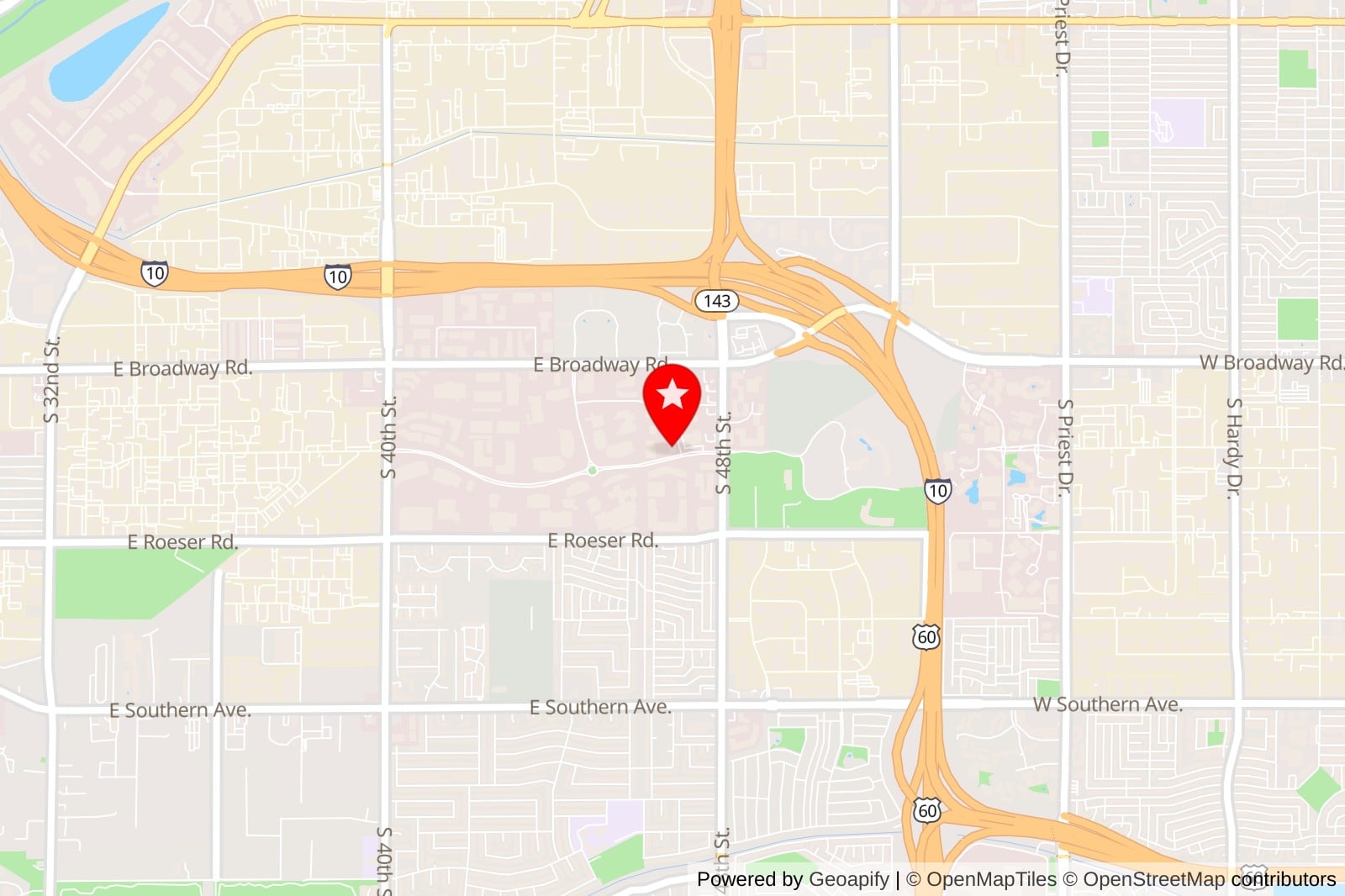
Suncrest Hospice & Palliative Care offers specialized support for patients facing serious illnesses. The team consists of skilled professionals, including physicians, registered nurses, and therapists, dedicated to enhancing the quality of life for individuals in their final days.
The organization provides comprehensive hospice care tailored to the unique needs of each patient. Services include pain and symptom management, medication delivery, and access to specialized therapies like music and massage.
Palliative care at Suncrest focuses on individuals with chronic and life-threatening conditions. This additional layer of support assists patients in managing symptoms while still pursuing curative treatments. The interdisciplinary team works collaboratively to address medical, emotional, and personal needs.
Suncrest prioritizes communication and respect in all interactions, ensuring that patients and their families feel supported throughout the care journey.
Online Ratings: 4.2 (45 reviews)
Location: 4650 E Cotton Center Blvd #250, Phoenix, AZ 85040
Contact: (602) 633-1828
Hospice of the Valley

Hospice of the Valley has served the Phoenix community since 1977 as the largest nonprofit hospice in Arizona. The organization focuses on providing hospice care, supportive care for serious illnesses, and specialized dementia care. Their clinical teams are trained in areas such as pulmonary care, caregiver assistance, pediatric services, and grief support.
Patients and families can access a dedicated team of on-duty nurses 24/7, ensuring continuous support. The center has received accolades for excellence in patient care, reflecting their commitment to comfort and dignity.
An emphasis on innovative dementia care is evident through their specialized campus and community programs. All initiatives aim to help families navigate the challenges of dementia while enhancing the quality of life for their loved ones.
The organization operates on a model of inclusivity, turning no one away regardless of insurance. Community donations support these efforts, allowing the center to maintain high standards of care.
Online Ratings: 4.2 (86 reviews)
Location: 1510 E Flower St, Phoenix, AZ 85014
Contact: (602) 530-6900
Benefits of Palliative Care
Palliative care offers a range of advantages that significantly improve patient experiences during serious illnesses. The following points outline key benefits, focusing on quality of life, symptom management, and emotional support.
Enhanced Quality of Life
Palliative care emphasizes improving the quality of life for patients facing serious health issues. This approach integrates physical, emotional, and spiritual dimensions of care. By addressing pain and other distressing symptoms, palliative care can help patients maintain a level of comfort and dignity.
Patients often report improved satisfaction with their healthcare experience. The holistic approach allows for personalized care strategies tailored to individual needs, ensuring that both patients and their families feel supported.
Collaborative efforts among healthcare providers enhance communication, which is vital in aligning treatment goals, leading to more informed patient choices.
Comprehensive Symptom Management
Effective symptom management is a hallmark of palliative care. The focus lies in alleviating pain, nausea, fatigue, and other distressing symptoms associated with serious illnesses.
Palliative care teams assess and adjust treatments to address individual symptoms. This can involve medications, therapies, or alternative approaches to ensure efficacy and minimize side effects.
Regular evaluation helps in optimizing treatment plans, increasing the likelihood of positive outcomes. Patients benefit from a proactive approach, which can lead to fewer hospitalizations and a better overall experience during their illness.
Emotional and Psychological Support
Emotional and psychological support is crucial in palliative care. Many patients face anxiety, depression, or fear when dealing with serious illnesses. Palliative care addresses these issues through counseling, support groups, and therapeutic interventions.
Family members also receive guidance and support, helping them cope with the challenges that arise during a patient’s illness. Services are designed to foster open communication, ensuring that patients and families feel comfortable expressing their concerns and needs.
This comprehensive support system helps reduce feelings of isolation and enhances coping strategies, offering a more favorable experience during a challenging time.
Integrating Palliative Care in Phoenix
Palliative care in Phoenix is supported through various healthcare partnerships and community outreach programs, enhancing access to compassionate care for patients and their families. These initiatives focus on integrating specialized services into existing healthcare frameworks, ensuring comprehensive support for those with serious illnesses.
Healthcare Partnerships
Healthcare partnerships in Phoenix play a vital role in integrating palliative care. Facilities such as Banner – University Medical Center collaborate with local organizations to provide specialized treatment.
This collaboration enables a multidisciplinary approach, where palliative care specialists, nurses, and primary caregivers work together. Such partnerships enhance communication, improving patient outcomes by aligning treatment goals.
Moreover, these networks facilitate the sharing of resources and knowledge among healthcare providers. This integration supports the continuous education of medical professionals about palliative care approaches, ensuring they stay informed about best practices.
Community Outreach Programs
Community outreach programs in Phoenix significantly enhance public awareness of palliative care services. Organizations such as the Palliative Care Alliance offer resources to educate both patients and families about available options.
These programs include workshops, informational seminars, and support groups. Events are tailored to demystify palliative care, emphasizing its role in improving quality of life rather than focusing solely on end-of-life issues.
Additionally, outreach initiatives often target underserved populations, ensuring that all community members have access to palliative care. By providing educational materials and support, these programs aim to decrease stigma and facilitate conversations around serious illnesses and the benefits of palliative care.
While Phoenix is home to many respected medical facilities, instances of medical negligence can still happen.
Choosing the Right Palliative Care Center
Selecting a suitable palliative care center is crucial for ensuring the comfort and quality of life for patients with serious illnesses. Key considerations include assessing individual patient needs and ensuring the center offers appropriate services and support tailored to those needs.
Assessing Patient Needs
Understanding specific patient needs is vital for selecting an appropriate palliative care center. This includes considerations such as the stage of illness, symptom management requirements, and personal values.
Patients or their families should assess whether the center specializes in areas relevant to their circumstances, such as cancer care or pediatric palliative care.
Important factors to evaluate:
- Severity of illness: Determine the type and seriousness of the condition.
- Desired level of care: Understand if the patient prefers at-home care or inpatient resources.
- Cultural considerations: Identify any cultural or spiritual values that should guide treatment options.
Evaluating Services and Support
Analyzing the services offered by palliative care centers is essential to ensuring comprehensive support. Patients should inquire about the range of services available, including pain management, psychological support, and caregiver assistance.
Key service considerations:
- Symptom management: Assess how the center addresses common symptoms associated with serious illnesses.
- Access to specialists: Evaluate whether there are healthcare professionals who specialize in palliative care on staff.
- Family involvement: Consider how the center encourages family participation in care plans and decision-making.
Online Ratings: Check platforms for reviews, noting these ratings reflect patient satisfaction as of August 29, 2024.
Hastings Law Firm, Medical Malpractice Lawyers
4041 North Central Avenue Suite 565
Phoenix, AZ 85012-3330
602-726-4617
Related Articles
-
Local Family Medicine Centers in Phoenix
-
Recognized Neuroradiologists in Phoenix
-
Prominent Medical Centers in Phoenix
-
Nearby Urologists in Phoenix
-
Prominent Bariatric Surgeons in Phoenix
-
Local Cardiothoracic Surgeons in Phoenix
-
Popular Dentists in Phoenix
-
Prominent Sophrologists in Phoenix
-
Prominent Interventional Radiology Centers in Phoenix
-
Popular Reflexologists in Phoenix
