


Arizona Magnesium Sulfate Overdose Lawyer
Written by: Hastings Law Firm | Reviewed by: Tommy Hastings | Updated: July 27, 2026
A magnesium sulfate overdose in a hospital can turn a routine treatment into a catastrophic medical injury. Hypermagnesemia can develop quickly when dosing is excessive or monitoring breaks down, and severe toxicity can lead to respiratory failure, cardiac arrest, and permanent brain injury. Understanding how these errors happen and who may be responsible can help families make informed decisions after a frightening outcome. If you or a loved one were harmed or worse due to a magnesium sulfate overdose in Arizona, contact Hastings Law Firm for a free, confidential case review.
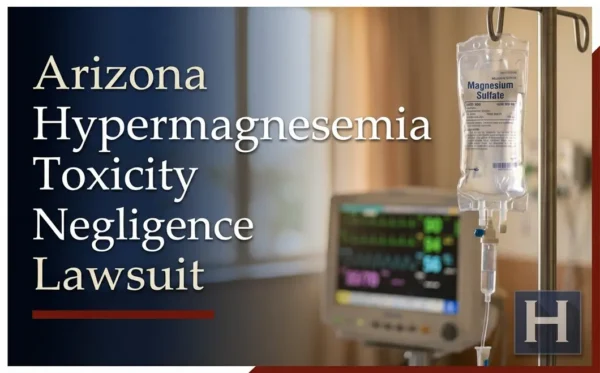
Top Rated Arizona Medical Attorneys for Magnesium Toxicity Cases
What You Should Know About Hypermagnesemia Toxicity Negligence Claims in Arizona:
- Life changing injury or worse can result when magnesium sulfate dosing or monitoring fails because toxicity can escalate rapidly.
- Clear warning signs can be missed when reflex checks, breathing checks, or urine output monitoring are not performed during an infusion.
- Accountability can extend beyond one clinician because nurses, physicians, hospitals, and pharmacies may share responsibility for a single overdose event.
- Hospital responsibility can be central when unsafe staffing, training gaps, or weak medication safety protocols contribute to the error.
- Pharmacy involvement can change the claim focus because a wrong concentration or wrong formulation can create a separate basis for liability.
- Financial recovery can be significant when permanent brain injury occurs because damages may include life care costs, medical expenses, and lost income.
- Wrongful death claims may be available for families when a magnesium overdose results in a fatal outcome.
- Options can narrow if timing rules are missed in Arizona because medical malpractice claims are subject to a statute of limitations.
- Proof can depend heavily on specialized medical review because expert opinions and an expert affidavit may be required.
- Key evidence can be found in clinical records because infusion settings, physician orders, and monitoring documentation can show where the breakdown occurred.

A Healthcare Focused Law Firm
When a hospital gives too much magnesium sulfate (MgSO4), the results can be devastating. This powerful drug is often used to prevent seizures during pregnancy or manage other serious conditions. Families are often left with more questions than answers when a routine medical treatment leads to a catastrophic outcome.
If you or a loved one suffered harm from a magnesium sulfate overdose in an Arizona hospital, you deserve clarity about what went wrong. An experienced Arizona magnesium sulfate overdose lawyer can help you understand whether the care provided fell below accepted medical standards. At Hastings Law Firm, our team focuses exclusively on medical malpractice. We can review what happened and explain your options in a free, confidential consultation.
Understanding Magnesium Sulfate Overdose and Hypermagnesemia
Magnesium sulfate overdose, also known as hypermagnesemia, occurs when medical staff administer excessive doses of the drug or fail to monitor renal function, leading to respiratory failure, cardiac arrest, and brain injury.
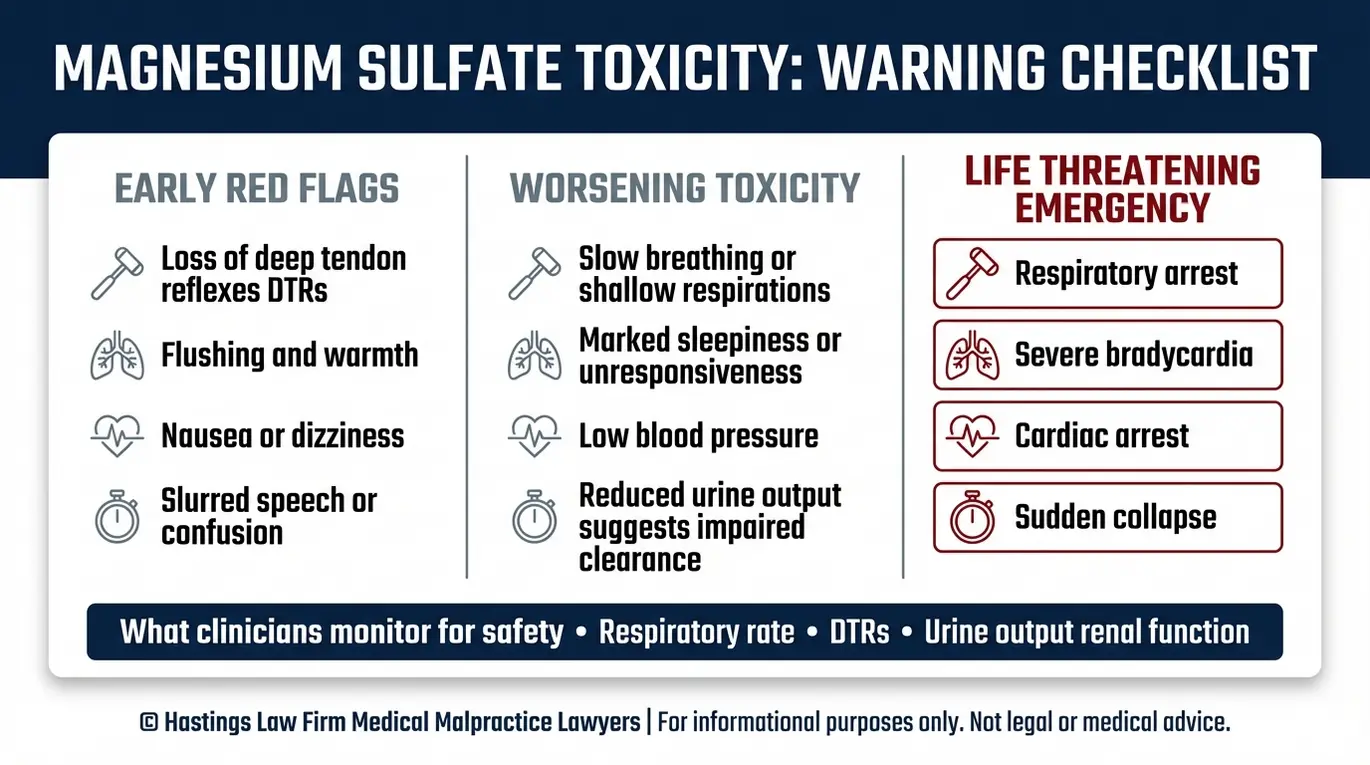
Because of the serious risks associated with magnesium sulfate, guidelines from USF Health on Magnesium Sulfate administration state that the standards of care require strict dosing protocols and continuous patient monitoring. Clinicians are expected to regularly assess deep tendon reflexes (DTRs), which are the involuntary muscle responses tested by tapping the knee or elbow. They must also check respiratory rate and urine output during the infusion.
When these safeguards fail, toxicity can develop rapidly. Warning signs of hypermagnesemia include:
- Loss of deep tendon reflexes (often the earliest indicator)
- Flushing, nausea, and muscle weakness
- Slurred speech and confusion
- Respiratory depression (slow or shallow breathing)
- Dangerously low blood pressure
- Cardiac arrest in severe cases
The speed at which symptoms escalate makes monitoring failures dangerous. A patient can go from early warning signs to life-threatening distress in minutes. Under Arizona Revised Statutes § 12-562, a medical malpractice action may be brought when a healthcare provider’s conduct breaches their duty of care by falling below accepted standards and causes injury. A magnesium toxicity attorney can evaluate if the monitoring and dosing protocols in your case met those standards.
Common Causes of Magnesium Toxicity in Arizona Hospitals
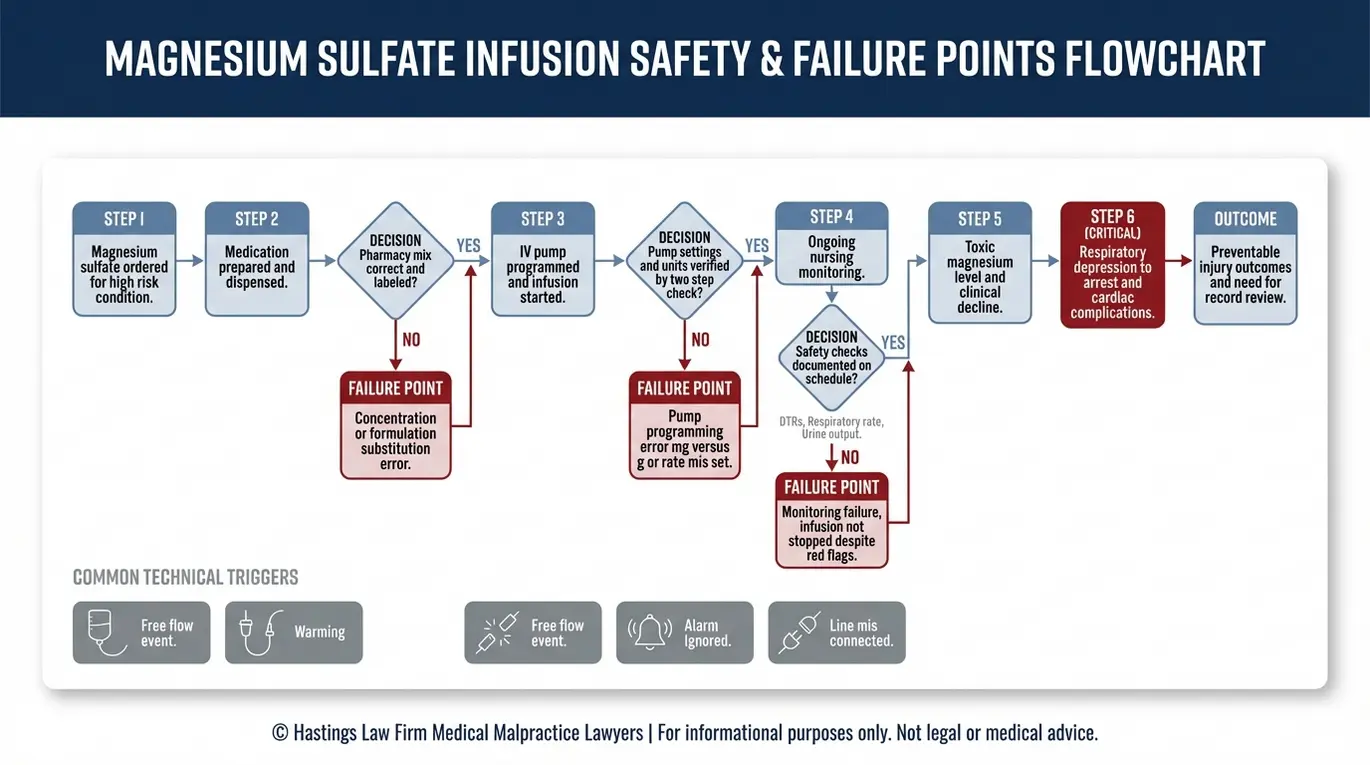
Most magnesium overdoses result from preventable human or technical errors, such as improper IV pump programming, failure to cease infusion when urine output drops, or mixing errors in the pharmacy.
These failures generally fall into distinct categories. Understanding them is important for building a strong legal claim.
IV Pump Errors. Infusion pumps deliver precise amounts of medication through an IV line. However, programming mistakes happen. A “free-flow” medication error, where the pump malfunctions or is improperly set, can deliver a lethal dose in minutes. Research published by PubMed Central on human factors and infusion pump failures shows that errors in administration remain a persistent safety concern. Something as simple as ignoring dosage instructions can multiply the intended dose many times over.
Monitoring Failures. Even when the initial dose is correct, the infusion must be adjusted or stopped if the patient shows signs of toxicity. Nurses must perform regular checks to ensure the body is clearing the medication. If a nurse fails to check reflexes or continues the drip despite absent DTRs or low urine output, the drug accumulates to dangerous levels. Such monitoring failures are a frequent cause of preventable injury in hospital settings.
Pharmacy and System Errors. System errors occur when the hospital’s internal processes for drug safety break down before the medication reaches the patient. Drug formulation substitution, where the pharmacy provides the wrong concentration, is a documented cause of harm. Improper storage and mislabeled vials can also lead to dosing mistakes. Concerns about facility safety practices in Arizona can be reported through the Arizona Department of Health Services Facility Complaints portal. A pharmacy compounding error may involve mixing the wrong concentration of magnesium sulfate for a high-risk patient.
| Failure Type | What Goes Wrong | Who May Be Responsible |
|---|---|---|
| IV Pump Programming Error | Incorrect rate or dose entered; free-flow incident | Nurse, biomedical engineering |
| Monitoring Failure | Reflexes, respiratory rate, or urine output not checked | Bedside nurse, attending physician |
| Pharmacy Compounding Error | Wrong concentration mixed or wrong formulation dispensed | Pharmacist, pharmacy staff |
| Storage / Labeling Error | Mislabeled vials or improper storage conditions | Hospital, pharmacy department |
An Arizona medication injury attorney examines the full chain of events to determine where the error originated. We work to identify every person and system that failed to protect the patient.
The Hastings Law Firm Difference
Results matter, but what truly sets us apart is how we achieve them. Every verdict, every settlement, and every Arizona courtroom victory comes from one guiding promise: To treat each client’s fight for justice as if it were our own.
This balance of skill, experience, and empathy reflects our core philosophy that justice should not only compensate the injured, but also make healthcare safer nationwide.

Liability for Magnesium Overdoses: Doctors, Nurses, and Hospitals
Liability for a magnesium overdose may extend to the bedside nurse for administration errors, the attending physician for poor oversight, the hospital for inadequate protocols, or the pharmacy for compounding mistakes. In many cases, multiple healthcare professionals share responsibility. Our team includes former defense counsel and nurses who previously worked for the hospital systems they now challenge, providing us with insider insight into how these errors occur.
Hospitals are often liable through vicarious liability. This legal rule holds the institution responsible for the negligent actions of its employees. If a hospital nurse programs the wrong dose or fails to monitor the patient, the hospital may bear legal accountability. A hospital negligence attorney can determine which parties are responsible based on the employment facts.
Pharmacists also carry independent duties. A pharmacy compounding or dispensing error creates a separate basis for liability. Drug formulation substitution is a recognized and dangerous error pattern with high-alert medications like magnesium sulfate, often used in the Emergency Room or ICU.
Hospitals can also face direct liability for corporate negligence. This applies when the institution fails to maintain safe staffing levels or properly train its staff. A Phoenix overdose malpractice lawyer evaluates whether the hospital’s own systems set the stage for the error. We look at whether doctors and nurses were given the tools and protocols needed to provide safe care.
Wrongful Death and Brain Injury Claims from Magnesium Toxicity
Victims of magnesium overdose may recover damages for permanent brain injury, future life-care costs, and pain and suffering, while families of deceased patients may pursue wrongful death claims for loss of companionship and support. Patients often suffer from anoxic brain injury. This is permanent brain damage caused by oxygen deprivation, which occurs when respiratory depression starves the brain of oxygen.
A magnesium toxicity lawyer can help you pursue damages that include past and future medical expenses, lost income, and the cost of long-term life care. We also seek compensation for the emotional toll and physical pain caused by the negligence.
Expert Witness Requirements for Toxicity Cases
Proving a magnesium overdose case requires specific medical expertise. Your legal team must use qualified expert witnesses who can review the medical records and provide expert opinions. Our founder, Tommy Hastings, is a board-certified trial attorney who ensures every case is trial-ready from the start. In many cases, an Affidavit of Merit is required to certify that the healthcare providers breached the standard of care. We maintain a national network of medical experts to handle every step of this process for you.
Contact the Arizona Birth Injury Attorneys at Hastings Law Firm Today for Help
Magnesium sulfate errors are preventable. When hospitals, nurses, physicians, or pharmacists fail to follow safety protocols, families pay the price.
If someone you love suffered a brain injury or died because of a magnesium sulfate overdose in an Arizona hospital, you have the right to find out what happened. Our legal team includes former defense attorneys who know how hospitals respond to claims. We also have in-house medical professionals who can interpret clinical records from day one.
We work on a contingency basis. This means you pay no attorney fees or costs unless we recover compensation for you. If you need an Arizona magnesium sulfate overdose attorney to investigate your case, we are ready to listen. Contact us today for a free, confidential case evaluation.
Frequently Asked Questions About Infant Magnesium Sulfate Overdose in Arizona


This content was researched and written by the Hastings Law Firm editorial team, which includes attorneys, medical professionals, and experienced researchers. Our writing is informed by internal knowledge and practical experience, and we cross-check critical details against authoritative sources cited throughout. Every piece undergoes human-led fact-checking and legal review. Because legal and medical information can change, if you spot an error, please contact us. Learn more about our content standards and review process on our editorial policy page.

Tommy Hastings, founder of Hastings Law Firm, is a board-certified personal injury trial lawyer dedicated exclusively to healthcare injury cases. Since 2001, he has represented injured patients and families in litigation against major hospital systems, pharmaceutical companies, and negligent healthcare providers nationwide. He has handled numerous high-profile cases that have drawn national media attention and resulted in multi-million dollar recoveries. He draws on that experience in his writing, helping readers understand how these cases work and what options may be available to them.
